
When we sit down to plan a new year, most of us start with the next step. What should I launch in January, what should I post this week, what's the next thing on the list. I do it too, and the trouble is that a long list of next steps doesn't tell you whether you're headed anywhere you actually want to go.
So for 2027 I'm starting at the other end. Before I plan anything, I'm deciding how I'd like the year to end for both of my businesses, Creator's MBA and HobbyScool, and then I'm working backward from there into a plan.
I'm going to show you exactly what that looked like for me this week, including my real goals for both businesses, and then walk you through how I turn that ending into a plan I can work every week.
Write the ending first.
Joe Pulizzi wrote about this in his newsletter, The Tilt, and he shared a Dave Chappelle example. Chappelle writes his punch lines down first and then works backward to figure out how to get to each one.
Joe tried it on a novel he'd been stuck on for a long time at about 20,000 words. He wrote the last chapter first, and once he knew the ending, he could go back through the rest of the book and see what needed to happen to get there.
He also made a point I think matters a lot for business planning. You usually can't know how something is going to end, but you can decide how you'd like it to end, and that second part is something you can actually do.
That's the whole idea behind how I'm planning 2027. I can't control the economy or the market, but I can be really clear about where I'm trying to go.
How I picture where I want to end up
I let AI interview me. Sometimes I talk it through out loud and sometimes I type my answers, and honestly I do both.
The first question is the one that does most of the work: It's December 31, 2027, and you're looking back on the year feeling really good about it. What happened?
From there the follow-up questions get more specific. What does "full" look like in your programs? What does your week look like? What are you spending your time on? Here's what came out of mine.
How I want 2027 to end for Creator's MBA
I want to feel really good about the events we're running. Every event has somewhere between 20 and 40-plus contributors, and I want each of them to get a real return from it. I want the speakers to get good leads, I want our sponsors to feel like it was a worthwhile investment, and I want us to get our return from the event itself.
My main goal is filling up our programs, Newsletter Profit Club and the Creator's MBA Mastermind. When I was asked how many members I wanted, I didn't have a specific number at first, so I went aggressive. I want both programs into the thousands.
I also want our programs to really stand out in the industry. That's one of the reasons I'm building a new member platform. It's tailored to each member's business, it tracks their results for them, and it points them through the Creator's Growth Flywheel to exactly where they need to go next to get results.
As for my own week, I want my time spent on coaching and on our events. Members get the build content at the beginning of each month, then they come to live coaching, and they can post questions in the course platform and the community. If the programs grow the way I want them to, I'll bring in additional coaches to help, and I've already started looking at that.
The last piece is sponsorships. I haven't put a ton of focus there yet, and in 2027 I'm building out the Creator's MBA sponsorship program with sponsorship sales reps, the same way we're doing it for HobbyScool.
How I want 2027 to end for HobbyScool
HobbyScool is a different story, because what we have there is working. So for most of the business, 2027 is business as usual and I don't want to change a lot.
The one area I want to build out is sponsorships, and my goal is for sponsorships to bring in $300,000 next year. We're hiring a commission-based sponsorship salesperson who reaches out to craft and hobby brands, gets on calls and closes the deals.
I had an exact number for HobbyScool sponsorships and I didn't have one for my program members. Both are fine. What you need is something specific enough to work backward from, and you can adjust it every quarter once you see how the year is going.
How I turn the ending into a plan.
Once I know how I want the year to end, I plan it the same way I teach it in the Creator's MBA Playbook. The Playbook breaks the year into four 90-day cycles, and each one runs on the same five steps.
Everything ties back to the Creator's Growth Flywheel, which is the five-stage framework I use for growing a digital product business: Attract (getting new people onto your list), Engage (turning them into first-time buyers), Nurture (building trust with consistent content), Retain (keeping customers buying and renewing) and Advocacy (turning happy customers into referrals and affiliates).
Map the whole year on one page
The Year at a Glance page gives each quarter a theme, one main number to track, the main campaign or offer driving it and a revenue target. This is where my ending turns into numbers. A $300,000 sponsorship goal for HobbyScool is $75,000 a quarter, so that goes on the page, and I adjust it as the year goes.
Audit your flywheel
At the start of each quarter I rate each of the five Flywheel stages from 1 to 5 using my real numbers, like new subscribers per week, conversion rates, renewal rates and affiliate sales. Then I pick the one or two stages that would make the biggest difference if they got stronger.
Score your ideas so you work on the right ones
The audit always turns up a dozen ideas. I score each one on impact, confidence and effort from 1 to 5 (lower effort gets a higher score), average them, and the top three are the projects I work on that quarter.
Set up to three SMART goals
Each quarter gets no more than three goals, each one tied to a Flywheel stage, with a number to measure and a deadline. If everything is a priority, nothing gets done, so three is the limit.
Work it weekly, check it monthly, reset it quarterly
Every Monday I take 15 minutes to look at my 90-day goals and pick my top three priorities for the week, and every Friday I take 10 minutes to record the numbers and plan one small improvement. Once a month I do a check-in on each Flywheel stage, and at the end of the quarter I do a wrap-up and carry what I learned into the next one.
While I'm working on the bigger goals, three things keep running every single week no matter what the quarter is about.
Lead generation. At least one active lead magnet, promoted every week. A weekly newsletter. Even when things get busy. Offer visibility. My paid offers are always somewhere people can see them, like the welcome sequence, a low-priced starter offer or my weekly emails.
The ending makes the decisions easier.
You probably won't get the exact ending you wrote down, and the year will take some turns you didn't plan for. That's fine. The point of writing the ending is that it gives you something to check every decision against.
When a new idea or opportunity shows up in the middle of the year, I can ask a simple question. Does this move me toward the ending I wrote down, or is it just something new and interesting? If it doesn't connect to where I'm going, it waits.
And because the plan resets every 90 days, I'm never stuck with a goal that stopped making sense. At each quarterly wrap-up I look at the numbers, adjust the targets and keep going toward the same ending.
"It's December 31, 2027, and you're looking back on the year feeling really good about it. What happened?"
The one question to start withYour turn
Pick the business you want to start with and answer that question. Write down how you'd like 2027 to end, and don't worry yet about how you're going to get there.
I built a free tool that walks you through it, Write Your 2027 Ending. It asks you the same kind of questions I answered for my own businesses, one at a time, and then writes your whole ending out in one place along with the biggest thing standing in your way.
Then work backward. Split the ending into four quarters, audit your flywheel, pick your top three projects and set your goals for the first 90 days. If you run more than one business like I do, do each one separately, because they probably won't need the same things.
Write Your 2027 Ending
Answer six questions about where you want your business to be by December 31, 2027, and the tool writes your whole ending out in one place, along with the biggest thing standing in your way. It takes about ten minutes.
Write my 2027 ending →Ready to work backward from it? The Creator's MBA Playbook is the planning system I use for both of my businesses.
Frequently asked.
How do I figure out where I want my business to be by the end of 2027?
Picture December 31, 2027 and ask yourself what happened that year that made you feel really good about your business. Write it down for each business you run. The free Write Your 2027 Ending tool walks you through six questions and writes your ending out for you.
How do I turn a yearly business goal into a 90-day plan?
Break the year into four quarters and give each one a theme, one main number to track, a main campaign and a revenue target. Then each quarter, audit your business, score your ideas, pick up to three SMART goals and run them weekly, with a check-in every month and a reset at the end of the quarter.
What if I don't have an exact number for my goal?
Pick a number anyway, even an aggressive one. You need something to work backward from, and you can adjust it at each quarterly reset once you see how the year is going.
Can I use AI to help plan my business year?
Yes. You can have AI interview you about how you want the year to end, and then use it to turn that ending into quarterly goals. The Creator's MBA Playbook comes with the Creator's Growth Flywheel Vault, a Claude skill that walks you through the audit and fills in your 90-day plan with you.
What is the Creator's Growth Flywheel?
It's the five-stage framework Creator's MBA uses for growing a digital product business: Attract, Engage, Nurture, Retain and Advocacy. Each stage feeds the next one, so new subscribers, sales, renewals and referrals all keep the business moving.
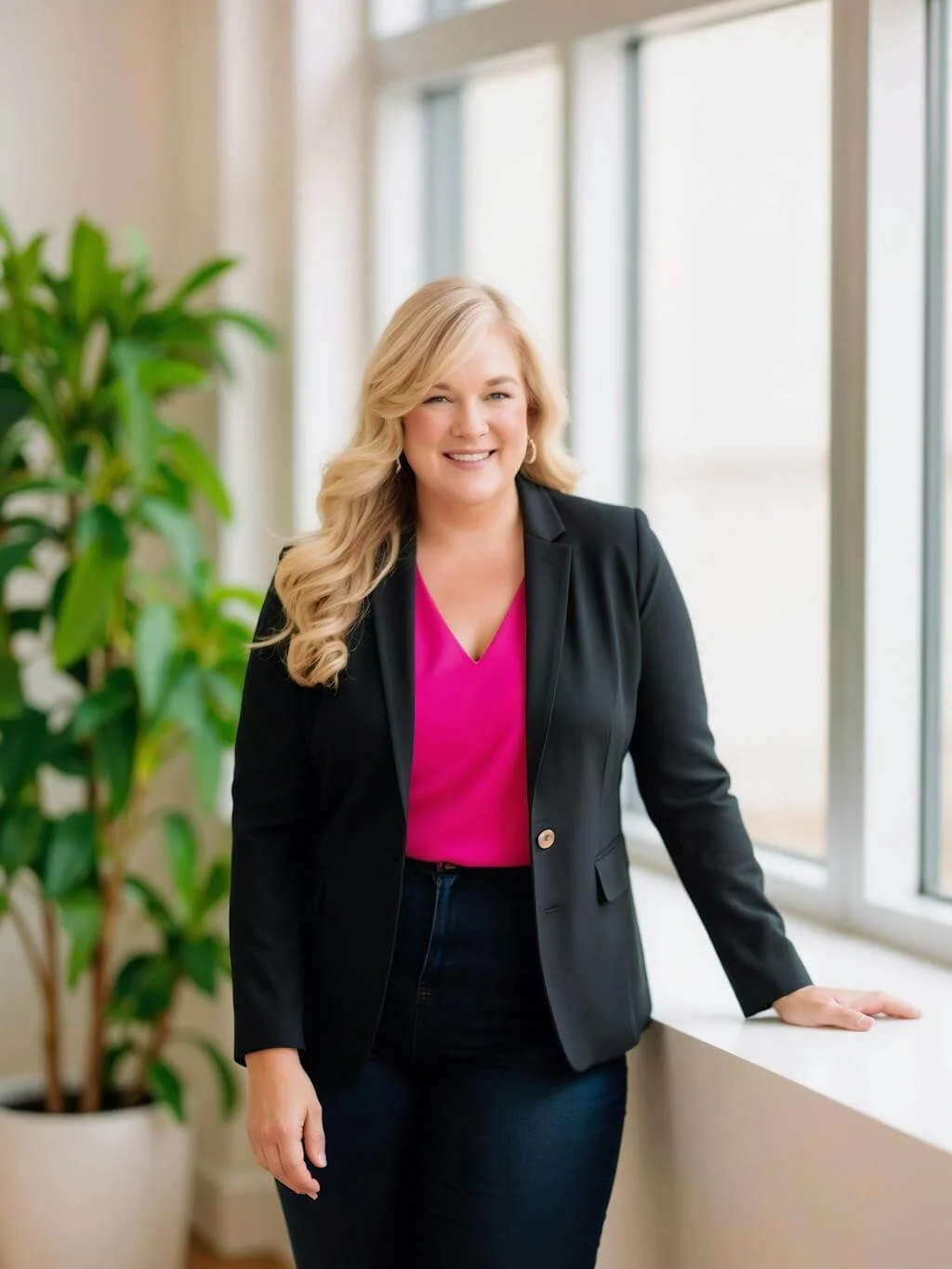
Dr. Destini Copp helps digital product creators build sustainable, systems-based businesses through the Creator Growth Flywheel framework. She's the founder of Creator's MBA and HobbyScool, and has been teaching online business strategy for over a decade. Learn more →