
You got the spot. Now make it pay.
Five short reads on setting up your workshop, your free gift, and what sits behind them, so a speaking spot produces customers instead of a list bump.
Most speakers walk away with an email list and nothing else.
Here's the pattern I've watched across close to fifty events. Somebody gets accepted, builds the workshop the week before, grabs whatever free gift is already sitting in their Drive, teaches a great session, and collects a few hundred opt-ins. Then the event ends and those people go quiet, and three months later that speaker is trying to work out whether the spot was worth the time.
A speaking spot can produce three separate things. New subscribers, customers during the event week, and buyers three to six months out. Almost everybody collects the first one, because it's the only one that happens on its own. The other two take four decisions made in the right order, and none of them are complicated.
That's what this series covers. Read it before you fill in your contributor form and you'll build the workshop, the gift, and the offer as one connected thing rather than three separate scrambles.
Five parts, in order.
Each one takes about eight minutes. They build on each other, so start at the top.
What a speaking spot is actually worth
The three things a spot can produce, why most people only get one of them, and the four decisions that determine which.
Read part one →Pick a workshop topic that leads to your offer
Too broad and the room fills with people who will never buy. Too close to your paid offer and you gave it away. One question tells you which side you're on.
Read part two →How to pick the free gift for your speaking spot
The gift picks up where the workshop ends. What works, what to skip, and why it needs to live on a page you control.
Read part three →Put something to buy behind your free gift
The instant customer piece. A small paid offer, an order bump, one upsell, and what to build if you have nothing to sell yet.
Read part four →What to do with your leads after the event
Tagging, the first seven days, and the follow-up that turns summit subscribers into buyers by month three.
Read part five →Working backward from your recording date?
Work back from the day you record, not the day you're on. Parts two and three have to be settled before your contributor form is due. Part four needs to be live and tested before you hit record, because you say the URL out loud at the end of your workshop and it has to be a real page by then. Part five can be rough as long as it exists by the time the event starts.
Both calendars are open. Pick your room.
Free to contribute to either side. You keep the subscribers you bring in and you earn commission on the pass.
Creator's MBA events
- Fifteen events across 2026 and 2027
- 3-day workshop summits, live panels, and collaborative guides
- 50% commission on the event pass and bumps
- Curated lineups, so you aren't one of fifty
HobbyScool summits
- Twelve free 3-day summits a year
- An audience of about 40,000 creative makers
- 50% on the event funnel, 30% on memberships
- 7,000 to 20,000 registrants per event
Or map the whole thing out in your first month.
The five parts tell you what to build. If you'd rather work it out with me looking at your actual offer, that's what the Creator's MBA AI Mastermind is for. New members get a strategy session with me in the first month to map the topic, the gift, and the offer path behind them.
$97 a month, cancel anytime. Monthly build sessions, a private community of creators doing the same work, and an AI trained on the Creator Growth Flywheel.
See the Mastermind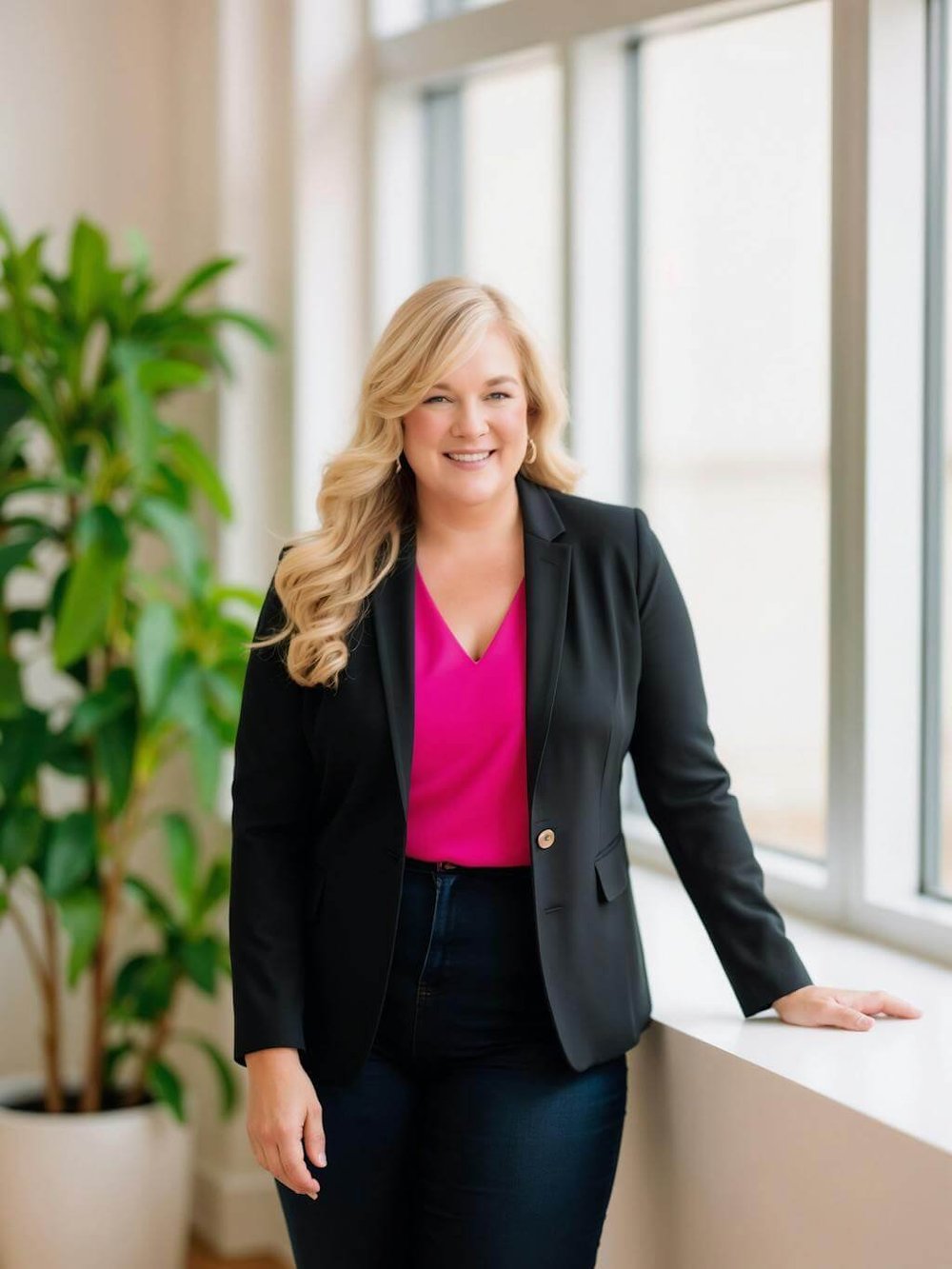 Your host
I've run close to fifty virtual events across Creator's MBA and HobbyScool, with twelve more on the calendar each year. So I've seen a few hundred speaker funnels from the host side, including the ones that produced almost nothing and the ones that produced buyers the same week.
I'm also a marketing professor, and I run HobbyScool on about five hours a week with AI handling most of the marketing. Everything in this series is what I'd tell you if you asked me over a call.
Questions people ask.
Do I have to read all five?
Read one and two before you submit your contributor form, because the topic and the gift are what the form asks for. Three and four have to be done before you record. Five can wait until after you've submitted the recording.
I teach a craft, not online business. Does this apply to me?
Yes, and the examples cover both. The pieces are the same whether you sell a $197 sewing course or a $997 launch program. If you sell nothing yet, part four covers what to build first and it takes an afternoon.
What if I don't have anything to sell?
Part four covers this. The fastest option is the paid version of your own workshop, the longer one where you walk through the full build and include your templates. You're already doing most of that work for the event.
Do speakers get paid?
There's no speaking fee. You earn affiliate commission on the event pass when you promote to your list, and you keep everything you sell in your own funnel behind your free gift. For most people the second one is larger.
When does all this have to be done by?
Before you record, not before the event. At the end of your workshop you pitch your free gift and send people to a URL, so that page and everything behind it has to exist and work before the camera goes on. Recordings are usually due a few weeks ahead of the event, so plan on having the gift, the page, and the paid offer built and tested by then.
Read part one, then go build.
Eight minutes, and you'll know what your spot is actually worth and what to do about it.