
A sponsor is paying to reach a specific group of people, so a small list in a clear niche can sell sponsor spots. Set up a sponsorship page with your audience, your spots and your prices, promote it to your own readers and keep the rules simple. My Creator's MBA newsletter has about 8,000 subscribers and three kinds of spots, priced at $300, $97 and $37.
A lot of creators assume sponsors are only for newsletters with huge lists. So they never set up a single sponsor spot, and the newsletter they send every week never brings in any sponsor money.
Here's how I look at it. Creators with small niche lists are gold to sponsors, because a sponsor is trying to reach a specific group of people and you've already gathered them in one place.
My Creator's MBA newsletter has about 8,000 subscribers. That's not a huge list, and it has a sponsorship page with three kinds of spots on it.
Why a small list can sell sponsor spots
A sponsor is paying to get in front of the right people. If your readers are all course creators, or all quilters, a company that sells to those people can reach all of them in one place.
Open rates matter here too. A sponsor only gets seen by the people who open the email, so a list that opens is easier to sell than a list that doesn't. If your open rate is good, put it on your page.
What my rate card looks like
I keep my sponsor spots simple, and each one has a set place in the newsletter. Here's what's on my Creator's MBA sponsorship page right now.
Newsletter Sponsorship, $300
This runs in the Sunday, Wednesday or Friday issue. There's one sponsor per issue and the spot sits right after the intro. The sponsor gets a headline, 50 to 90 words and a link.
Featured Event, $97
This is the callout box near the top of my Saturday Event Edition, and there's only one per issue. It's for people who have an event coming up and want my readers to come.
Featured Listing, $37
This is a spot in The Lineup, the list of events in my Saturday issue, and there are up to six per issue. Having a $37 spot means a creator with a small budget can still book something.
I also have one routing rule. Tools and platforms go in the weekday issues, and anything with a date on the calendar goes on Saturday, so the Saturday issue stays all about events.
HobbyScool has its own sponsorship page with its own prices. That list has 44,751 subscribers, a 56.7% open rate and about 22,000 opens per issue. A placement is $297, and each additional issue the same sponsor books is $247.
The sponsor sends a logo, up to 100 words and one link, we design the spot for them and they get a report with opens and clicks after it sends. The page also shows who reads the newsletter, like age, location and how many are homeowners, using data from Kit Signals.
And it explains that the price is based on the roughly 39,500 people each issue actually goes out to, which is lower than the total list because not every subscriber gets every send. That way a sponsor knows exactly how many people the spot goes out to.
How to pick your first price
There's no perfect number, and you can change it later. I've changed mine. HobbyScool's sponsor spot used to be $149, with $97 for each additional issue, and I raised it to $297 and $247.
Here's how I'd pick a first price:
- Start with your list size and open rate, because those are the first two things a sponsor will ask about.
- Think about who'd buy it. If the businesses that want to reach your readers are small creators, price at least one spot so they can book it without a long decision.
- Price by placement. The main spot after the intro should cost more than a listing further down.
- Raise it when spots start filling. Once people are booking, you can move the price up for new sponsors.
Build a page so sponsors can come to you
When I teach this inside Newsletter Profit Club, I have members build a sponsorship page and promote it, so sponsors can find them and book. A page can keep bringing in sponsors long after you share it.
Who reads your newsletter, how many subscribers you have and your open rate. Each spot with its price and where it shows up in the issue. What the sponsor needs to send you, like a headline, the copy, a link and an image. And how to book and pay, all on one page.
Then promote it. Every one of my Saturday issues ends with a P.S. that tells readers they can sponsor the newsletter, with the prices and a link to the page. Your readers are the first people to tell, because some of them run businesses that want to reach the rest of your list.
Make it easy to book and to book again
I built a sponsor portal for each of my newsletters. Sponsors log in, send their ad copy and link, pick their date, see their results, leave a testimonial and book again. Behind it, Airtable keeps track of every spot and every issue date.
You don't need an app to start, though. A sponsorship page, a checkout link and a simple spreadsheet of who's running when is enough for your first few sponsors.
Rules that protect your readers
Your readers trust you, and a sponsor is borrowing that trust. These are the rules I use to keep it that way.
- One sponsor per issue in the main spot.
- The sponsor always goes in the same place, so readers know what it is when they see it.
- No affiliate links for someone else. A sponsor can't use their spot to run another company's affiliate link.
- Light edits are allowed. I can tidy up a sponsor's copy so it reads well in the newsletter.
- Dated things go on Saturday, so the weekday issues stay on teaching.
Sponsors are one way to get paid
Sponsors are one of three ways a newsletter can bring in money. The other two are your own offers and affiliate income from the tools you already recommend. When you plan what each issue points to, you can use all three.
The AI Newsletter Summit had a sponsor too. Monica Froese of Empowered Business sponsored it, and she taught live on Wednesday, October 28. Her session was called Newsletter on Autopilot: From Doer to Orchestrator.
Where I taught this at the summit
The AI Newsletter Summit ran October 27 to 29, 2026. Two of my recorded workshops there were about this:
- Get Paid by Sponsors Even With a Small List
- Earn From the Tools You Already Recommend
Then on Thursday, October 29, I taught live: Get Paid: How to Make Money From Every Newsletter You Send. Everyone who attended the summit got the Newsletter Profit Calculator, which estimates how much your newsletter could earn each month from sponsors, affiliates and your own offers. You can see what's coming up next on my event calendar.
See what's coming up in 2027
I taught these workshops at the AI Newsletter Summit in October 2026. You can see all my upcoming events on the event calendar.
See the event calendar →Frequently asked.
How many subscribers do I need to get newsletter sponsors?
There isn't a set number. A sponsor is paying to reach a specific group of people, so a small list in a clear niche with a good open rate can sell spots. Start with a sponsorship page and a price a small business can say yes to.
How much should I charge for a newsletter sponsorship?
Look at your list size, your open rate and where the spot sits in the issue. My Creator's MBA newsletter has about 8,000 subscribers, and my spots are $300 for a weekday sponsorship, $97 for a featured event and $37 for a listing.
What goes on a newsletter sponsorship page?
Who reads your newsletter, your subscriber count and open rate, each spot with its price and placement, what the sponsor needs to send you and how to book and pay.
Should I pitch sponsors or let them come to me?
You can start by building a sponsorship page and promoting it to your own readers and anywhere else you show up. Some of your readers run businesses that want to reach the rest of your list, and a page lets them book without a back-and-forth.
Can a newsletter sponsor include an affiliate link?
That's up to you, and it's worth deciding before your first sponsor. My rule is that a sponsor can't use their spot to run someone else's affiliate link.
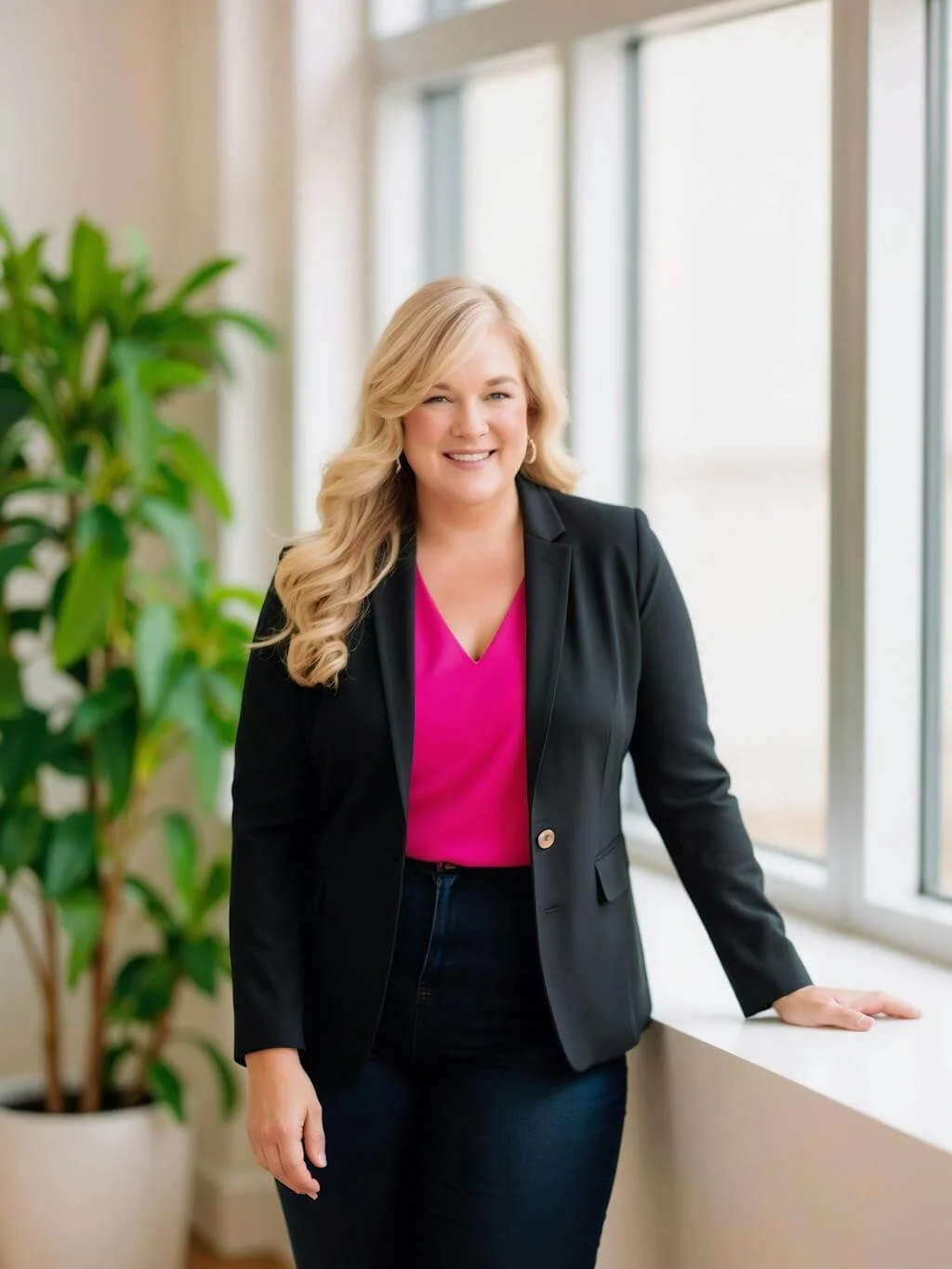
Dr. Destini Copp helps digital product creators build sustainable, systems-based businesses through the Creator Growth Flywheel framework. She's the founder of Creator's MBA and HobbyScool, and has been teaching online business strategy for over a decade. Learn more →