
Plan Your Whole Q4 Before You Pick Your Black Friday Offer
- Plan October, November and December together, and treat Black Friday as one piece of November.
- Each month has a job. October warms up your list, November carries Black Friday, and December keeps selling after Cyber Monday.
- Give every campaign two to three weeks of runway, run one main promotion at a time, and check the whole plan against the hours you really have.
- In 2026, Black Friday is November 27 and Cyber Monday is November 30, so your October campaign needs to start in the first half of the month.
When most creators start thinking about the fourth quarter, the first question is "What should I do for Black Friday?" It's a fair question, because Black Friday is the biggest shopping weekend of the year and everyone is talking about it.
The problem shows up when Black Friday is the only thing you plan. You spend October making the offer, so your list doesn't hear much from you, and then the sale emails arrive all at once. After Cyber Monday you're tired, December is empty, and January starts from zero.
In the last post, we mapped every path into your signature offer. This post turns that map into a full October through December plan, with Black Friday sitting right where it belongs, in the middle of November.
Sephora doesn't start on Black Friday.
Look at how Sephora handles the same season. Its fall Savings Event in 2025 opened for its top-tier members on October 31 and ran through November 10, which is a couple of weeks before Black Friday even started. Holiday gift sets and advent calendars show up in October too.
So by the time Black Friday arrives, shoppers have already been hearing from Sephora for weeks. The holiday season is one long plan with a few big moments in it, and Black Friday is one of those moments.
You can plan your quarter the same way, and it's a lot less stressful than building everything around one weekend.
Start with the dates you can't move
Before you plan a single campaign, write down everything that's already on your calendar from October through December. That includes travel, launches, client work, family plans and any week you know will be busy.
Then add the dates everyone is planning around. In 2026 those are:
- Thanksgiving: Thursday, November 26
- Black Friday: Friday, November 27
- Cyber Monday: Monday, November 30
- Christmas and New Year's: the last week of December, when most people are offline
Your campaigns fit around these dates. If you're traveling the second week of October, that week isn't the week your challenge goes live.
Give each month its own job.
Here's the simplest way to plan the quarter. Each month gets one main campaign, and each campaign has a specific job to do.
October warms up your list
This is the month to bring new people in and get your current list paying attention again. Free challenges, live workshops, a lead magnet push or a waitlist for something coming later all work well here. Whatever you run, it should lead to your signature offer.
November carries Black Friday
The first half of November is runway, when your content starts pointing at the topic your Black Friday offer solves. Then the sale runs from about Thanksgiving through Cyber Monday, with early access for past buyers a few days before.
December keeps selling
A lot of creators go quiet after Cyber Monday, but people are still buying in December. Gift memberships, a year-end price increase, an annual plan push or a "plan your next year" theme all work here. Stop starting new things in the last week of the month and use it for delivery and planning January.
Build each campaign the same way
Once you know each month's job, every campaign gets the same six pieces. Having the same pieces every time makes planning go fast.
- A name. Give it a theme people can remember, like a Fall Reset Week or a Members Open House.
- Dates. A real start date and a real end date.
- The path it promotes. Which way into your signature offer this campaign is using.
- Why now. The reason people should pay attention this month, like a live event, a bonus, early access or a bundle that goes away.
- What your newsletter does. How each weekly issue supports the campaign while it's running.
- What has to exist first. Anything you still need to build, like a registration page or a checkout.
The Q4 Campaign Planner is a free Claude skill that asks you about your offers, your newsletter, your fixed dates and your hours, one question at a time.
Then it builds one campaign each for October, November and December with all six pieces filled in, plus a starting pick for your Black Friday offer. Get the free skill →
Three rules that keep the plan working.
1. Give every paid promotion two to three weeks of runway
Runway means content that points at the topic before the offer opens. If your Black Friday offer is a bundle of planning templates, your newsletter and social posts in early November should be about planning. When the sale opens, people have already been thinking about the problem it solves.
2. Run one main promotion at a time
You can have something small running in the background, like an evergreen lead magnet, but don't run two launches in the same week. Two offers competing for the same attention usually means both do worse. A bigger promotion can take the main spot for two or three weeks, and that's completely normal.
3. Check the plan against your real hours
Be honest about how many hours a week you have for promoting between now and December. If the plan needs more time than you have, cut something now and say what you cut. A smaller plan you finish is worth a lot more than a big one you give up on in week three.
Here's an example quarter.
Let's say your signature offer is a membership, you have a lead magnet, and you have a few older workshops sitting in your shop. Here's how your quarter could look:
A free five-day challenge in mid-October that ends with an invitation into the membership. Your newsletter points at the challenge topic for two weeks before it starts.
Content about the bundle's topic runs through early November. Past buyers get early access on November 24, and the bundle opens to everyone from Black Friday through Cyber Monday, with a note inviting buyers into the membership.
From December 7 through December 18, members can buy a gift membership for a friend. The last two weeks of the month are for delivery and planning January.
Every campaign uses a different way in, and every one of them leads to the membership, so the whole quarter works together.
What comes next
In the next post, we'll go deeper on October, with campaign ideas that warm up your list before Black Friday. After that, we'll cover your Black Friday options in detail and what to do in December.
Plan October through December in one sitting
Get one campaign for each month of your fourth quarter, built around your signature offer and the hours you really have.
Get the Q4 Campaign Planner →Frequently asked.
When should I start planning my Q4 promotions?
As early as you can in September or early October. Your October campaign needs to start in the first half of the month so November has runway, and your Black Friday offer should be decided by the end of October.
When is Black Friday in 2026?
Black Friday is Friday, November 27, 2026. Thanksgiving is Thursday, November 26, and Cyber Monday is Monday, November 30.
How many promotions should I run in Q4?
One main campaign per month is a good starting point, so three for the quarter. Black Friday is the November campaign. Run one main promotion at a time so your offers aren't competing with each other.
What should I promote in December after Black Friday?
Gift memberships, a year-end price increase, an annual plan push or a "plan your next year" theme all work well. End your December campaign by about December 20, since most people are offline the last week of the year.
How much runway does a promotion need?
Two to three weeks of content pointing at the topic before a paid offer opens. That way people are already thinking about the problem your offer solves when it goes live.
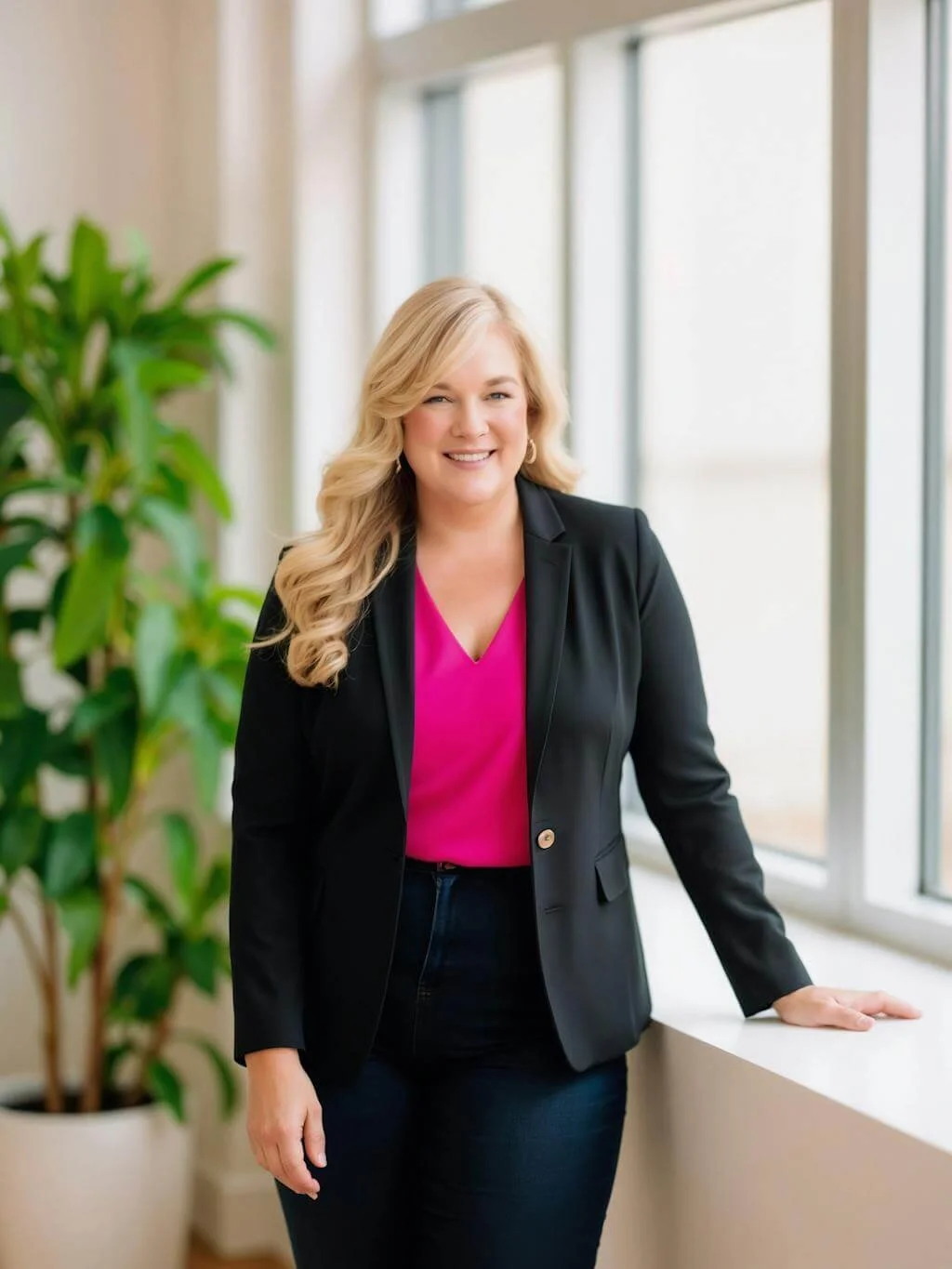
Dr. Destini Copp helps digital product creators build sustainable, systems-based businesses through the Creator Growth Flywheel framework. She's the founder of Creator's MBA and HobbyScool, and has been teaching online business strategy for over a decade. Learn more →