
Every ‘It’s Too Expensive’ Is a Story Problem
Creators ask me what to charge all the time and right behind that question there's usually another one. They put an offer out, someone tells them "it's too expensive" and they want to know if they should drop the price.
I see this a lot with course creators, coaches, membership owners and people who sell templates or workshops. The offer is good and the people who buy it get results, but the people who don't buy keep saying the same thing about the price.
Most of the time "too expensive" is about the story the buyer is telling themselves about the money and that story is something you can work on before you ever touch your price.
What Mark Cuban figured out on the sales phones.
I came across this idea in Codie Sanchez's newsletter, where she wrote about the money story. Her point is that people aren't only buying a product. They're also buying the story they tell themselves about the money they're spending on it.
She shared a story from Vanessa Van Edwards' book Conversation about Mark Cuban. When Cuban bought into the Dallas Mavericks in 2000, the team was losing all the time.
So Cuban got on the sales phones himself. He didn't try to compete on price with a night at the movies or a meal at McDonald's. He asked fans if they remembered the first time their mom or dad took them to a game and how that felt.
That one question changed what the ticket was being compared to. People stopped comparing it to cheap entertainment and started comparing it to a family memory. After that, tickets sold.
The price of the ticket stayed the same. What changed was the thing the buyer was comparing it to in their head.
A price only looks high or low next to something else, so the first thing to work on is what your offer is being compared to.
Dr. Destini CoppThis works the same way for a $47 template, a $297 course or a $2,000 coaching program. Your buyer is always comparing your price to something, whether you tell them what to compare it to or they pick it themselves.
The three parts of the buyer's story
Codie breaks the money story into three parts. Here's how each one looks when you sell courses, memberships, coaching or other digital products.
The buying story
This is what your buyer tells themselves at the moment they pay. Say you sell a $47 workshop on setting up a newsletter. One buyer's story might be "I've put this off for a year and this gets it done this weekend." Another buyer's story might be "this is a lot cheaper than paying someone to set it up for me."
If a buyer can't finish that sentence in a way that makes sense to them, $47 feels like a lot of money even though it's a small number.
The result they remember
This is what they feel when they use what they bought and whether they tell anyone about it. For a course, it might be the first time a student makes a sale from the funnel they built in module three. For a membership, it might be the live call where someone finally got an answer to the question they'd been stuck on for weeks.
The result they remember is what makes the next purchase easier, because they already have proof that spending money with you worked out for them. It's also what gets them telling a friend about you.
The reasons they don't buy or don't come back
This is the story people tell themselves when they say no, when they cancel or when they buy once and never buy again. It sounds like "I'll figure it out on my own" or "I bought a course before and never finished it" or "I'm not ready yet." Codie points out that this is usually where the biggest leaks are.
"Too expensive" shows up here a lot, but it's often standing in for one of those other reasons. Someone who says your $297 course is too expensive may really be saying they bought something like it before and didn't finish, so they don't trust themselves to get their money's worth this time.
Memberships deal with this every month, because members decide again each time the charge hits their card. I wrote more about that side of it in why members cancel and the story they tell themselves.
Why creators hear "too expensive" so often.
Creators hear this a lot because of what our offers get compared to. Your buyer can find free videos on YouTube about almost anything you teach, they can buy a $20 book on the topic and there's usually a cheaper course out there that sounds a lot like yours.
So when your sales page doesn't tell them what to compare your offer to, they pick the cheapest thing they can think of. A $497 coaching program next to a free YouTube video looks expensive. That same $497 next to another six months of trying to figure it out alone looks very different.
Memberships run into this too. A $39 a month membership gets compared to Netflix or Spotify, because that's the monthly charge the buyer already pays and thinks about. Those are for entertainment and your membership is there to help them get something done, but if you don't say what to compare it to they'll use whatever comparison is closest.
The buyer isn't doing anything wrong by comparing. Everyone does it when they spend money. What matters is whether you give them a better comparison or leave them to come up with one on their own.
Here are a few better comparisons creators can use:
- Another six months of figuring it out alone, watching videos and guessing.
- Paying someone to do it for them, like a designer, a VA or a consultant.
- What the problem costs them each month it stays unfixed, like sales they aren't making or hours they keep losing.
When someone says your offer is too expensive, start by asking what they're comparing it to. If the answer is a free video, a cheap book or a lower priced course, work on the comparison on your sales page and in your sales conversations before you change the price.
I go deeper on picking a better comparison and where to put it in what is your offer being compared to.
Why discounting doesn't fix it
The first thing a lot of creators do when they hear "too expensive" is drop the price or run a sale. I get why, because it's the fastest thing to change and it feels like you're listening to your buyers.
The problem is that a discount doesn't change the story. If someone is comparing your $297 course to a free YouTube playlist, $197 still looks expensive next to free. You've given up $100 on every sale and the comparison is exactly the same as before.
Discounting can also teach your list to wait. If buyers see your course on sale every few months, the story they start telling themselves is "I'll just wait for the next sale." That becomes one more reason they don't buy right now.
And if the person who said "too expensive" was really saying "I'm worried I won't finish it," a lower price doesn't touch that at all. They'll still be worried at $197 and they'll still be worried at $97.
Sales and promotions have their place in a business. A discount just can't fix a story problem, so it shouldn't be the first thing you reach for when you hear this objection.
Why adding more stuff doesn't fix it either.
The other common move is to add more to the offer. Creators add another bonus, a template pack, a few more modules or an extra group call each month. The thinking is that if the offer is worth more, the price will look smaller.
But more stuff can make the story harder for the buyer. Someone who's already worried they won't finish your course now looks at 14 modules and five bonuses and thinks "there's no way I'll get through all of that." You've made the reason they don't buy even stronger.
More features also don't change the comparison. A $497 program with ten bonuses still gets compared to the free YouTube video if nothing on the page gives the buyer something better to compare it to.
What usually helps more is making it clear what the buyer gets out of it and how soon. It's often easier for someone to say yes to a smaller offer with a clear result than to a big pile of stuff where the result is hard to picture.
Before you add another bonus, read your sales page and ask whether a buyer could finish the sentence "I'm buying this because..." in one line. If they can't, writing that line for them will help more than the bonus.
How to find your buyer's story this week.
You don't need to rebuild your whole offer to start on this. Pick one offer, the one where you hear "too expensive" the most, and work through these four steps.
Write down your guesses
Before you talk to anyone, write what you think your buyers tell themselves when they pay, what result they remember and why people say no. Keep this page so you can check it against what you hear later.
Ask real buyers
Talk to three people who bought and, if you can, one or two who almost bought. Ask what was going on when they started looking for help and what almost stopped them from buying.
Find the comparison
Look at what they told you and notice what they were comparing your offer to. Then decide what you'd like it compared to instead, like another six months alone, paying someone to do it or what the problem costs them each month.
Put it on the page
Add the buyer's story and the better comparison to your sales page, close to the price, using the words your buyers actually used. Then keep track of whether you hear "too expensive" less often.
If you want help with this, I made a free Claude skill called the Pricing Story Finder. It asks you a few questions about one offer and the people who buy it, then gives you back the buyers' story, a better comparison, a starting price range to test and sales page lines in your buyers' own words.
Once the story and the comparison are clear on the page, it makes sense to look at the price itself. Sometimes you'll find the price was fine all along and the page just needed to tell the buyer what to compare it to. Other times you'll find there's room to charge more.
Start with step one this week and write your guesses down for one offer before you talk to any buyers.
Find the story your buyers tell themselves
The free Pricing Story Finder asks a few questions about one offer and hands back your buyers' story, a better comparison and a price range to test.
Get the Pricing Story Finder →Frequently asked.
How do I know if my course is priced too high or if it's a story problem?
Look at what people compare it to when they say no. If they're comparing it to free videos or a cheaper course, work on the story and the comparison on your sales page before you change the price. If people who clearly understand the result still say no, then it's time to look at the price.
Should I offer a discount when people say my offer is too expensive?
A discount doesn't change what your offer is being compared to, so it often doesn't solve the problem. It can also teach your list to wait for the next sale. Try changing the comparison on your sales page first and see what happens.
What is the money story idea in pricing?
It's the idea, from Codie Sanchez's newsletter, that buyers are buying the story they tell themselves about the money they spend along with the product. That story has three parts: why they pay, the result they remember and the reasons they don't buy or don't come back.
What should I compare my membership price to instead of Netflix?
Compare it to what the member would otherwise do to get the same result, like another six months figuring it out alone or paying someone to do it for them. You can also compare it to what the problem costs them each month it stays unfixed. Put that comparison right next to the price on your sales page.
How do I find out why people aren't buying my digital product?
Ask them. Reach out to three buyers and one or two people who almost bought and ask what was going on when they started looking for help and what almost stopped them. Write your own guesses down first so you can see where they match and where they don't.
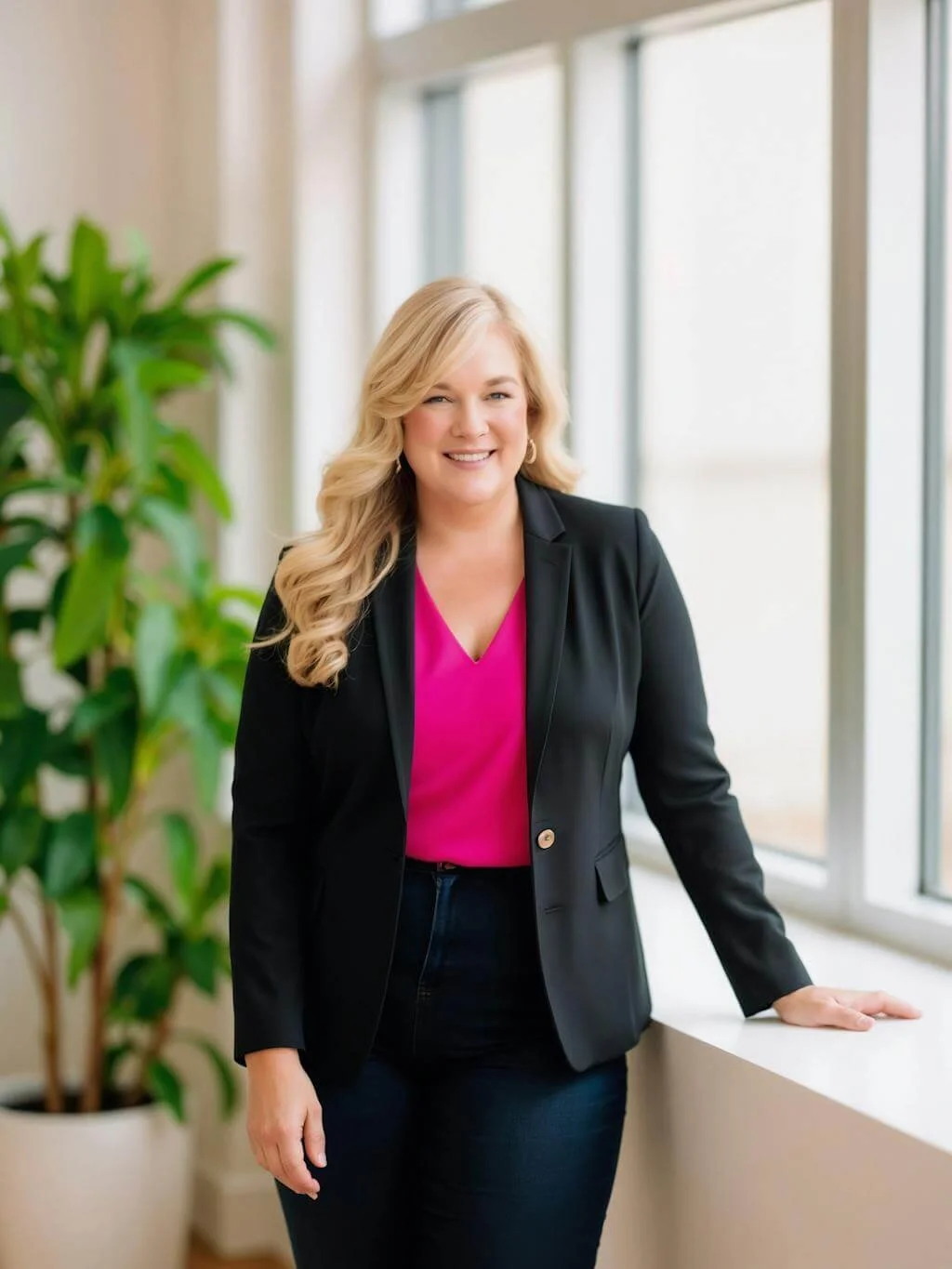
Dr. Destini Copp helps digital product creators build sustainable, systems-based businesses through the Creator Growth Flywheel framework. She's the founder of Creator's MBA and HobbyScool, and has been teaching online business strategy for over a decade. Learn more →