
Creator's MBA is built around two main programs, Newsletter Profit Club and the Creator's MBA Mastermind, and everything else I sell has the job of leading people to one of them. Choose your main offers from your sales numbers, who each offer serves and where you want your time to go, then give every other product a job.
If you sell digital products, there's always a reason to add one more. A member asks for something, you see a gap in the market or you have a great idea on a walk. Before long you have six offers and every one of them needs a sales page, emails, a checkout and someone to answer questions about it.
I've had to make this call in my own signature brand, Creator's MBA. I'm building it around two main programs, Newsletter Profit Club and the Creator's MBA Mastermind. Everything else I sell is there to lead people into one of those two.
This post is part of a series on doing less, so let's look at how that decision works in practice and how to make the same call in your business.
The two main offers
Newsletter Profit Club is for creators who want to grow a newsletter and make money from it. The thing I always tell members there is to never take your foot off the gas pedal on growing your audience.
The Creator's MBA Mastermind is a 12-month program. Every quarter, members find the stage of their business that needs the most work, focus hard on it for 90 days and then move to the next one. The Mastermind is my main focus for growth right now.
That's it. Two programs and they serve two different people. One is for the creator whose business runs on a newsletter and the other is for the creator who wants a plan for their whole business and someone to work through it with.
What I said no to
This year I had two more programs planned for Creator's MBA, the Creator's MBA Council and Revenue Stack Studio. I'm not doing either one.
The Council was going to be a peer room for established creators. I started reaching out to people for it, but I never had time to market it. That was a clear sign. If I didn't have time to market a third program, I definitely didn't have time to run it well alongside the first two.
I also stopped offering VIP Voxer coaching and closed my HelloContent shop. The products from that shop now live inside the Mastermind and my paid workshops. I go through all of these in What I Stopped Doing in My Creator Business.
How everything else feeds the two
Having two main offers doesn't mean I only sell two things. It means everything else has a job, and the job is to lead people toward one of the two programs.
My free monthly events are how I grow my email list. People come for a topic they care about, and then they hear about the programs.
The Creator's MBA Playbook is my planning system for the year, and it's the natural next step toward the Mastermind, because the Mastermind is where members work through that same planning every quarter with me.
My good friend, Kate, gave me a piece of advice on this that I use all the time. She told me to make my main offer the upsell on every single product I sell. When she did that with her own main offer, she started making daily sales of it.
And the new member site I built is set up for these two programs. Both have their own free dashboard that leads into the paid program, so even the free tools point back to the two main offers.
Noah Kagan found that AppSumo brought in $23.7 million in a year, while his other five products together brought in $846,000. I wrote about what that means for your business in How to Find Your Main Offer and Make Everything Feed It.
How to choose your main offers
You might land on one main offer, or two like me. More than that gets hard to grow at the same time, especially if it's just you or a small team.
Start with the money. Total your sales by product for the last 12 months and sort them from biggest to smallest. The one at the top is usually your main offer, even if it's not the one you're most excited about.
Look at who each offer serves. If you have two big offers that serve the same person, they're probably competing with each other. If they serve two different people, like my two programs do, they can both be main offers.
Think about where you want your time to go. Each main offer needs your best hours every week. If you have three or four, none of them gets enough.
Pick on purpose. If you're moving toward a new main offer, you can choose it even if it's not at the top of your sales yet. Just commit to it for at least 90 days.
Give everything else a job
Once you know your main offers, go through everything else you sell and ask what its job is.
This is a good exercise to do with your checkout tool open, so you don't miss anything that's still for sale. Old products have a way of staying live long after you've stopped thinking about them.
A freebie's job is to grow your list with people who might buy your main offer later. A small paid offer's job is to turn a subscriber into a buyer and then point them to your main offer. An event's job is to bring in new people and show them what it's like to learn from you.
If something doesn't have a job like that, you have three choices. You can connect it to a main offer, move it inside a main offer as a bonus or stop selling it.
Write your one or two main offers at the top of a page. Under them, list everything else you sell, and next to each one, write how it leads people to a main offer. Anything you can't fill in goes on your cut list.
Why it's hard to stick to
Choosing your main offers is the easy part. Saying no to the next good idea after that is harder.
There will always be a new program you could build or a new group of people you could serve. Members will ask for things, and some of those requests will be good. But each new offer splits your attention one more way.
What helps me is asking where a new idea would live. If it can be a lesson, a bonus or a workshop inside one of my two programs, it can still happen. If it needs to be its own program with its own marketing, the answer is probably no for now.
Joe Pulizzi wrote about this in his newsletter, using the idea from Four Thousand Weeks by Oliver Burkeman that you'll never get to everything. Picking your main offers is how you decide what gets your time in your business.
Where this fits in your flywheel
My Creator Growth Flywheel has five stages: Attract (people find you), Engage (they join your list or buy a small offer), Nurture (they get to know and trust you), Retain (customers and members stay) and Advocate (they send other people your way).
Your main offers sit at the center of all five. Every stage either brings people toward them, helps them buy or keeps them around after they do. When you only have one or two main offers, it's much easier to see which stage is getting in the way.
The Creator's MBA Playbook walks you through naming your main offer, finding your weakest stage and building a 90-day plan around it.
Build your quarter around your main offer
The Creator's MBA Playbook walks you through naming your main offer, finding your weakest Flywheel stage and building a 90-day plan around it.
Get the Playbook →This post is one of five on doing less in a creator business, from what I've cut this year to how I keep both of my businesses focused.
- Doing less is more: take something off your list
- What I stopped doing in my creator business this year
- Why my signature brand has only two main offers (you're here)
- How I keep HobbyScool focused when everyone has an idea
- The take-it-off exercise: cut your someday list to five
Want more on cutting and focus? My series on Noah Kagan's year covers how to decide what to cut and how to find your main offer. Inside the Creator's MBA Mastermind, members get a Claude skill that turns lessons like these into steps for their own business. Not sure it's a fit? Take the two minute quiz.
Frequently asked.
How many main offers should a creator have?
One or two works for most creators, especially if it's just you or a small team. Each main offer needs your best hours every week, and with three or four, none of them gets enough.
How do I choose my main offer?
Total your sales by product for the last 12 months and sort from biggest to smallest. Then look at who each offer serves and where you want your time to go. If you're moving toward a new main offer on purpose, pick it and commit for at least 90 days.
Can I have two main offers?
Yes, if they serve two different people. Two big offers for the same person usually compete with each other, while two offers for different people can both grow.
What should my other products do if I only have one or two main offers?
Give each one a job. A freebie grows your list, a small paid offer turns subscribers into buyers and an event brings in new people. Each should lead toward a main offer, and anything that doesn't can be connected, moved inside a main offer or stopped.
How do I make my main offer sell every day?
One approach is to make your main offer the upsell on every product you sell, so every small purchase becomes a path to the bigger one.
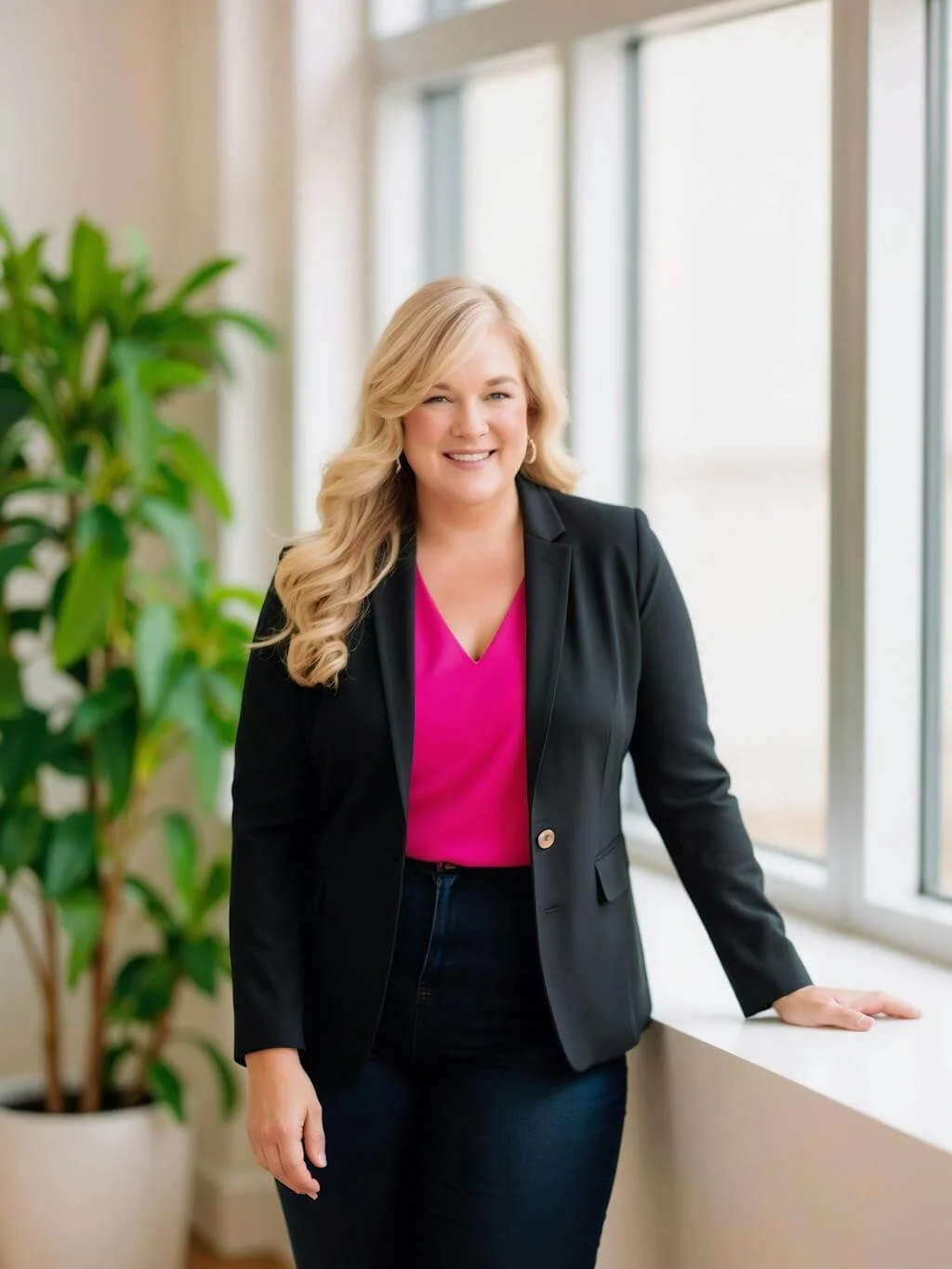
Dr. Destini Copp helps digital product creators build sustainable, systems-based businesses through the Creator Growth Flywheel framework. She's the founder of Creator's MBA and HobbyScool, and has been teaching online business strategy for over a decade. Learn more →