
Total your last 12 months of sales by offer and name the one you'll grow for the next 90 days. Then check that every freebie, small product and side project leads people toward it, put a limit on side projects and test small changes on the main offer's headline and pages.
If you sell more than one thing, here's a question that can feel a little uncomfortable: which one of your offers is actually growing your business?
Look past the one you're most excited about and the one that took the longest to build, and look at which one brings in the money month after month.
For a lot of creators, the honest answer is one offer. And the rest of the offers, plus the side projects and the shiny new ideas, are taking time away from it.
Noah Kagan, the founder of AppSumo, wrote about this in his year-end email, and his numbers make the point better than I can. So let's look at what he found, then walk through how to find your own main offer and make sure everything else you do helps it.
Noah's numbers
Noah runs AppSumo, plus five other products of his own. Toward the end of the year, he asked Claude to read all the work he'd done that year and tell him what actually moved the needle.
Its answer was three words: "Just do AppSumo."
The numbers backed it up. AppSumo brought in $23.7 million this year. His other five products together brought in $846,000.
Those other five products aren't failures. $846,000 is real money. But the gap tells you where an extra hour of Noah's time will do the most good.
He also noticed something about his own attention. Back in June, he was trading stocks a lot. That was the same month AppSumo had its slowest month of the year. His take was that when your main thing isn't working, everything else starts to look more interesting. So if you keep wandering off, the fix is to go work on the main thing.
The limiter
Knowing what to focus on doesn't mean you'll actually do it, so Noah built himself a limiter.
When he tries to ship code on his side projects past a limit he set, it sends him back to AppSumo. It's a little guardrail that stops him from spending that time on the fun stuff when the main thing needs him.
And doubling down paid off fast. His team tested the titles AppSumo shows in Google search results. They added the words "Lifetime Deal," how many people had bought it and the price. The share of people who clicked went from 0.14% to 0.7%. That's about five times more clicks, on the same page, from a small change to the main thing.
My main offer right now
I run two businesses, Creator's MBA and HobbyScool, so I've had to answer this question more than once.
For Creator's MBA, my main focus for growth right now is the Creator's MBA Mastermind. That's where I want my time to go, and it's the offer I want the rest of the business to lead toward.
One of the best pieces of advice I got on this came from my good friend, Kate. She told me to make my main offer the upsell on every single product I sell. She said that when she did that for her own main offer, she started making daily sales of it. That's what feeding your main offer looks like in practice. Every small sale becomes a path to the big one.
How to find your main offer
You don't need Claude to read your whole year (although it's a fun exercise if you have your tools connected). You need a simple list.
List your revenue by offer
Pull the last 12 months of sales from your checkout tool and total them by product. Include everything: courses, memberships, templates, workshops, coaching and affiliate income.
Sort it from biggest to smallest
Look at the top of the list. In most creator businesses, one or two offers bring in most of the money. If you sell a membership, count what it brings in over a full year, since monthly payments can make it look smaller than it is.
Check it against where you're headed
Sometimes the biggest earner today isn't the one you want to grow. Maybe you're moving from coaching to a membership. That's fine. Pick the offer you want to grow, and be honest that you're choosing it on purpose.
Does everything else feed it?
Once you've named your main offer, go back through everything else you do and ask one question about each thing: does this lead people toward my main offer?
Your freebies, your smaller products, your newsletter, your podcast, your events, your side projects. Every one of them gets the same question.
If it feeds the main offer
Great. Make the path clearer. Put the main offer at the end of your freebie's welcome emails. Make it the upsell after someone buys a small product. Mention it in the P.S. of your newsletter.
If it doesn't feed the main offer, but it makes money
Look for a way to connect it. A $27 template can point buyers toward your membership on the thank-you page. A workshop can end with an invitation to join your program.
If it doesn't feed the main offer and doesn't make much money
This is a side project. Side projects are allowed. Just give them a limit, the way Noah did. Decide how many hours a week they get, and when you hit the limit, go back to the main offer.
You don't need code for this. Block your main-offer work first on your calendar each week, before anything else goes on it. Or make a rule for yourself: no new side project work until this week's main offer task is done. The point is to decide ahead of time, so you don't have to decide in the moment when the shiny thing is calling.
Then do Noah's title test
Once your attention is back on your main offer, the small changes start to matter a lot. Noah's Google title test is a good example. Nothing about AppSumo changed except the words people saw before they clicked.
You can do the same thing with your main offer. Look at the first thing people see before they decide to click or buy. That could be the headline on your sales page, the subject line of your promo email or the first line of your ad.
Then try adding the specific details people care about. The price. How many people have joined. What's included. Exactly who it's for. Test one change at a time, so you know which one made the difference. Most page builders, including Leadpages, can split your traffic between two versions of a page for you.
Write down your main offer for the next 90 days. Then pick one of your freebies or small products and add a clear next step to your main offer, like an upsell, a line in the welcome email or a link on the thank-you page.
Why this is hard to do
Focusing on one offer can feel risky. What if it stops working? What if the side project is the next big thing?
Those are fair worries. Focusing on your main offer still leaves room for new things. Your main offer gets your best hours first and the new stuff gets what's left. Noah didn't shut down his other five products. He just stopped letting them take time from AppSumo.
The other thing that makes it hard is that the main offer can start to feel boring. You've been selling it for a while. You know the sales page by heart. A new idea feels fresh. But your customers aren't bored of it, because a lot of the people who see it are seeing it for the first time.
"When the main thing isn't working, everything else starts to look more interesting. That's usually the sign to go back to the main thing."
Dr. Destini CoppWhere this fits in your flywheel
My Creator Growth Flywheel has five stages: Attract (getting found), Engage (a first small yes, like joining your list or buying a small offer), Nurture (building trust over time), Retain (keeping customers) and Advocate (customers who bring you more customers).
Your main offer usually sits at the end of Nurture. Everything in Attract and Engage should lead toward it. That's why the freebie and the small offer matter so much. They're the start of the path, and if the path doesn't lead to your main offer, people get to the end of it and leave.
If you're not sure which stage is your weak spot, the free scorecard below will show you in about two minutes.
Find the weak spot on the path to your main offer
The free Creator Business Scorecard shows you which stage of your Creator Growth Flywheel needs the most work, so you know where the path breaks.
Take the free scorecard →This post is one of seven. Each one takes a lesson from Noah's year-end email and shows you how to use it in your own creator business.
- Would you start it today? How to decide what to cut
- How did you get your last customer? Do that again
- How to find your main offer and make everything feed it (you're here)
- Make the expensive step self-serve
- Set up business reports that suggest the fix
- Grade your last 10 emails
- Buy your own product
Inside the Creator's MBA Mastermind, members get a Claude skill that takes any founder's lessons, like these, and turns them into steps for their own business. Not sure it's a fit? Take the two minute quiz.
Frequently asked.
How do I know which offer to focus on?
Total your sales by product for the last 12 months and sort from biggest to smallest. The offer at the top is usually your main offer. If you're moving toward a different offer on purpose, pick that one and commit to it for 90 days.
Should I stop selling my smaller products?
Not necessarily. Connect them to your main offer instead. Add your main offer as the upsell, mention it in the welcome emails or link to it on the thank-you page, so every small sale becomes a path to the bigger one.
How do I stop getting distracted by new ideas?
Set a limit ahead of time. Block your main-offer work first on your calendar each week, or make a rule that side projects only get time after this week's main-offer task is done.
What is a signature offer?
It's the one offer your business is built around, the one you want most customers to end up in. For many creators it's a membership, a program or a flagship course.
What small changes can increase sales of my main offer?
Test the first thing people see before they click or buy, like the sales page headline, the email subject line or the first line of an ad. Add specific details such as the price, how many people have joined and exactly who it's for, and test one change at a time.
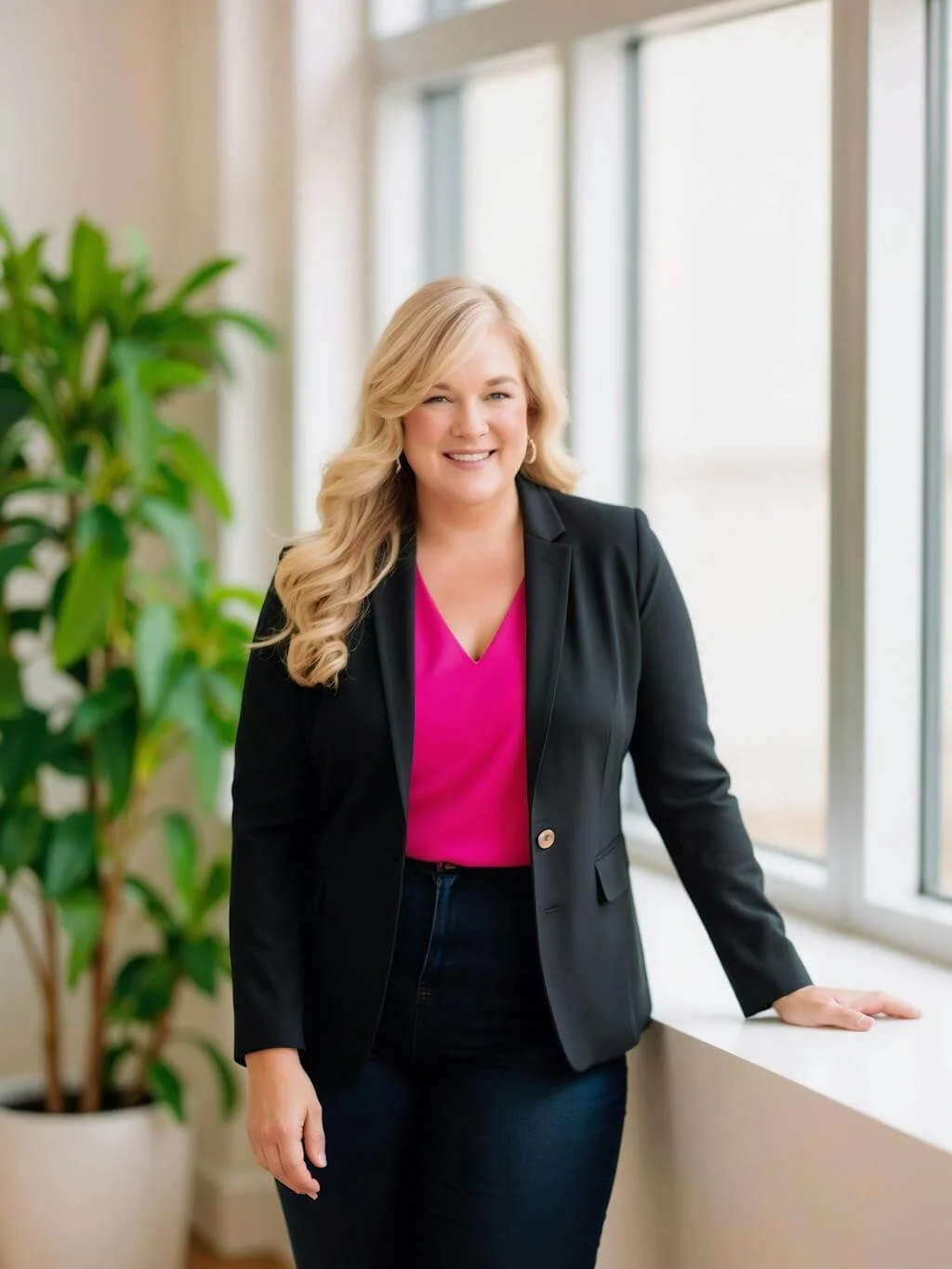
Dr. Destini Copp helps digital product creators build sustainable, systems-based businesses through the Creator Growth Flywheel framework. She's the founder of Creator's MBA and HobbyScool, and has been teaching online business strategy for over a decade. Learn more →