
Virtual summits grow your email list, warm up new subscribers, connect you with other creators, keep your audience coming back and make money on their own. At HobbyScool we run 12 free summits a year and more than 118,000 people have attended one since 2022. Below are the five ways events grow a business, with the real numbers from ours.
If you sell digital products, you've probably noticed that getting new people onto your list keeps getting harder and more expensive. Posting more on social media doesn't fix it, and a freebie sitting on your website only does so much.
Virtual events are what changed this for me. I run HobbyScool, a creative education platform, and we host 12 free three-day summits a year with around 30 instructors in each one. Since our first summit in July 2022, more than 118,000 people have attended a HobbyScool event.
I'm not a crafter, so this isn't a passion project story. I'm the operator and the summits are how the business runs. I work about five hours a week in HobbyScool and it does $20K to $50K a month.
Here are the five ways virtual events grow a business, using what happens at HobbyScool as the example.
1. Grow your email list with other people's audiences
Every person who registers for a free summit joins your email list, and most of them find out about it from someone they already trust.
When you invite speakers, each one promotes the event to their own audience. At HobbyScool that's about 30 instructors per summit, and each event brings in somewhere between 7,000 and 20,000 registrations.
We also run paid ads to the free registration page. The HobbyScool list is around 45,000 subscribers today and it was built with both of these, paid ads and the collabs that come with every summit.
The thing to get right before any of this works is who you want on your list. A summit attracts people who care about its topic, so pick a topic that matches what you sell. If your paid offer is a membership for quilters, a quilting summit brings you people who could become members. A general productivity summit would bring you a lot of people who never buy.
2. Warm up new subscribers in a few days
Someone who downloads a freebie might open one email and then disappear. A summit attendee is in your inbox every day of the event, opening your emails, clicking into sessions and watching workshops.
Our free sessions are open for 24 hours. Day 1 workshops go live at 9am Eastern, Day 2 goes live the next morning, and so on through the event. That gives people a reason to show up each day instead of saving everything for later.
We also ask every new registrant to reply and tell us what hobby they're most interested in, and we write back. It shows there's a real person behind the brand and those replies help our emails land in the inbox.
By the end of the event, attendees know who you are and what you offer. So when you make an offer, it's coming from someone they've spent the week learning from.
3. Build relationships with other creators
Inviting speakers puts you in direct contact with people in your niche who already have audiences of their own.
At HobbyScool every speaker can earn a 50% affiliate commission on the event offers they sell. That gives them a real reason to promote and it turns a one-time speaking slot into a partnership that keeps going.
The relationships go both ways. You get to know other creators, you get invited to their events and you become the person in your niche who brings people together.
4. Keep your audience coming back
Here's the problem with a one-time event. Once it ends, attendees feel done with it, and we deal with that at HobbyScool too.
What helps is running events on a schedule. We host a summit every month, each on a different theme, so there's always a next one to invite people to. The 2027 lineup starts with a Creative Vision Retreat in January and ends with a Create & Reflect Retreat in December.
Between summits, the free HobbyScool community on Skool has about 8,700 members. Each month we run a challenge there tied to that month's Craft & Create Club workshop, which gives people something to do between events and a taste of what's inside the paid membership.
If you have a course or a membership, think about the same thing for your buyers. When someone finishes your course, a regular event gives them a reason to stay connected to you.
5. Make money from the event itself
Older advice about summits called this passive income. I'd describe it as a funnel that runs every time you host an event.
Our summits are free to attend. The money comes from what's offered around them:
- The VIP pass. It lets people keep the workshops after the free window ends, watch without ads and claim the speaker bonuses. The price goes up in steps, starting at $37 right after someone registers, then $47, then $67 once the event is over.
- A $9 order bump. It's offered on the VIP checkout page. Our planner-style bumps get added to 36% to 42% of VIP orders.
- Upsells after the purchase. The $27 Ultimate Summit Bundle comes first and then the Craft & Create Club membership.
- Ads on the free session pages. These help pay for running a free event. VIP pass holders watch without them.
- The Annual Workshop Pass. It sells the year's workshop recordings for $199, so the events keep earning after they're over.
None of these need a big percentage of people to say yes. When thousands of people register for every event, a $9 add-on that 40% of VIP buyers pick up adds up fast.
HobbyScool runs without me working in it every day. A few team members in the Philippines and a set of AI tools handle the day to day, and that's how a summit every month fits into about five hours a week of my time.
Where to start if you've never hosted one
You don't need 30 speakers or a monthly schedule for your first event. A smaller summit with a handful of speakers and one simple paid offer is plenty to learn how it all works.
Start with three decisions: the topic, the person you want to attract and the paid offer you'll make during the event. Then build your registration page, because that's the first thing every speaker and every attendee will see.
Build your summit registration page
My free Summit Registration Page Skill asks you a few questions about your event and hands back a registration page in your own brand that's ready to publish.
Get the free skill →Frequently asked.
Are virtual summits still worth it in 2026?
Yes, if you want list growth and sales from the same event. HobbyScool runs 12 free summits a year and each one brings in 7,000 to 20,000 registrations, with the revenue coming from the VIP pass and the offers after it.
How many speakers do I need for a virtual summit?
There's no set number. HobbyScool summits have about 30 instructors each, but a first event with a smaller group is fine as long as each speaker promotes it to their own audience.
How do free virtual summits make money?
The event is free and the money comes from what's offered around it: a paid VIP pass, a low-priced order bump at checkout, upsells after the purchase, ads on the free session pages, and selling the workshop recordings after the event is over.
How do I get speakers to promote my summit?
Give them a reason to share it. HobbyScool speakers earn a 50% affiliate commission on the event sales they drive, and for Creator's MBA events each contributor agrees to send one dedicated email to their list.
How often should I host a virtual event?
Often enough that people don't forget about you between events. HobbyScool hosts a summit every month so there's always a next event to invite attendees to. If monthly is too much, quarterly is a good place to start.
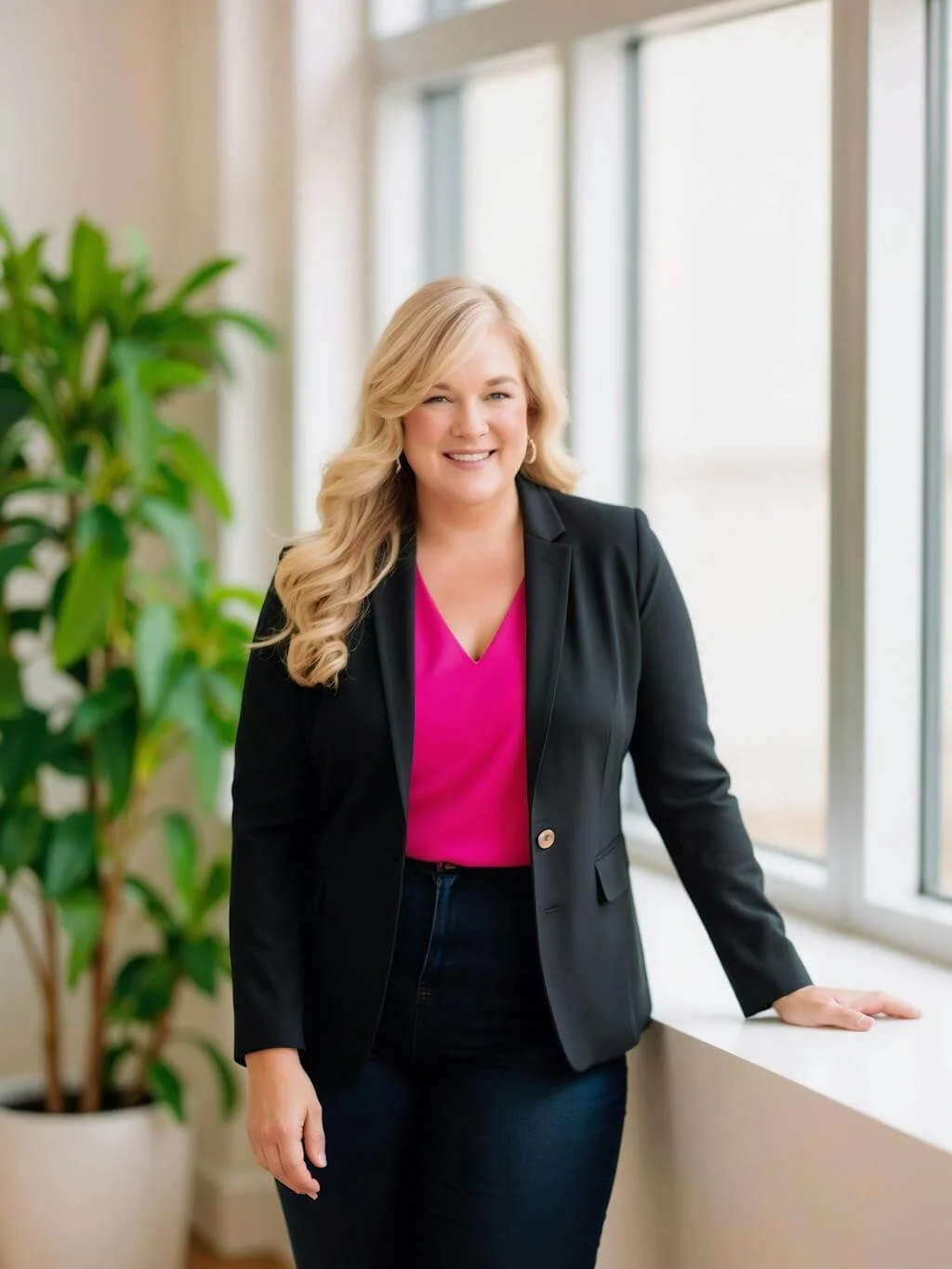
Dr. Destini Copp helps digital product creators build sustainable, systems-based businesses through the Creator Growth Flywheel framework. She's the founder of Creator's MBA and HobbyScool, and has been teaching online business strategy for over a decade. Learn more →