
12 Events Accepting Speaker Applications in 2027
Most creators find out about a virtual summit two weeks before it happens, which is about four months too late to be in it.
That is the problem with speaker applications. The events worth being part of lock in their lineups early, and the deadlines rarely line up with the moment you start thinking about it. If you want to speak at an event in 2027, now is the time to look, because several 2027 deadlines are already open and a few of them close this fall.
So here is the full Creator's MBA 2027 event calendar. Twelve events, every date, every application deadline, and what each one is actually looking for. I have also included how to write an application that gets accepted, and what to do afterward so the session actually grows your business.
What speaking at a summit actually does for your business.
A lot of people think of speaking as exposure. But exposure on its own does not do much for a business, and it does not pay anybody.
What a summit really gives you is attention you did not have to build yourself. Someone else spent months, and usually real ad money, gathering an audience, and for one session that audience is watching you. That is worth a lot, but only if you have somewhere for those people to go next.
In the Creator Growth Flywheel, which is the five-stage model I use for creator businesses, a summit lands squarely in Attract. That is the stage where new people first find you. But Attract only matters if the next stage is ready. If someone watches your session, likes you, and then finds nothing to sign up for and no follow-up when they do, the attention disappears. That is exposure, and it is not the same thing as a business result.
The creators who do well at these events are not the ones with the biggest audiences. They are the ones who show up with a specific free resource, a follow-up sequence already written, and a plan to promote their own session. Most of the result is decided before the event even starts.
The summit brings the audience. You bring the reason for those people to join your list, and the follow-up that turns some of them into buyers. If you skip either piece, you get a pleasant afternoon and not much else.
The 2027 calendar, with deadlines.
Every one of these is free to contribute to. There is no pay-to-speak fee, and no money changes hands in either direction. You keep every subscriber who joins your list through your session, and you earn commission on anything your audience buys through your link.
Applications are reviewed as they come in, not all at once at the deadline. Lineups usually fill before the closing date, so applying six weeks early gives you a much better shot than applying the night before.
Each one below has its own page with the tracks we are filling, what contributors bring, and the application form. You can see them all in one place on the 2027 event calendar.
Quarter one
The Flywheel Summit
The year-opener, built around the five stages of the Creator Growth Flywheel. Attendees diagnose which stage is dragging their business, then spend two days learning to fix it. Your workshop owns one stage and teaches the AI system that runs it.
The Agent Stack
A collaborative guide, not a live event. Contributors submit one AI agent that runs unattended in their business, plus the build behind it. No live sessions and no scheduling, which makes it the easiest one on the calendar to say yes to.
The Q2 Reset
Built for the month when creators admit Q1 did not go how they planned. Three days of decisions about what to cut, what to double down on, and what to rebuild before the year gets away from them.
Quarter two
The $27 Offer Summit
Low-ticket products built with AI and sold with paid traffic. This one runs on numbers, so it suits you if you run a small offer and can show the ad spend, the conversion rate, and what it feeds into.
The List Growth Challenge
Five days, taught live. Each day covers one growth play from one contributor, and attendees finish the week with real subscribers instead of notes. Teaching a day of a live challenge asks more of you than a recorded session, and it builds a much stronger relationship with the room.
The Skills Vault
A free library of working AI skills, custom GPTs and automation templates. You submit one thing that works. There are no live sessions and no recording, and your tool sits in front of thousands of creators who are looking for exactly that.
Deadlines are staggered across the year, so there is almost always something open. The event calendar sorts every one of these by closing date, nearest first.
Quarter three
AI in Action Summit
Second year running. This is not prompt packs or theory. Every contributor shows one AI system doing real work in their business, on screen, including the tools and the steps behind it.
Closed Door Talks
Five days and five live panels, all about AI. This is the event where people say the things they normally only say inside a mastermind, including real numbers, real flops, and pivots they have not announced anywhere yet.
The Evergreen Machine
Everything about the funnel that sells while you are not working. It lands right when creators are deciding whether to spend Q4 launching, or to finally build the thing that launches without them.
Quarter four
AI Newsletter Summit
Second year running. Three tracks, one per day: growth, monetization, and automation. Built for people who treat their email list like a real business rather than a hobby.
The Stack Showcase
One live day with ten creators, ten minutes each, real screens and no slides. You demo the thing you actually built, and the room watches it work before deciding whether they want it.
Creator Pivot Summit
The close of the year and the bridge into Q1, with three tracks covering offer pivots, audience pivots, and business model pivots. Apply to teach the pivot you actually made, including the messy parts.
Two 2026 events are also still open as I write this. The AI Newsletter Summit runs October 20 to 22, 2026 and closes for applications on August 28, 2026. The Creator Pivot Summit runs December 8 to 10, 2026 and closes October 13, 2026. Both are on the Creator's MBA event page along with everything above.
How to write an application that gets picked.
I read every application that comes in, and the pattern is always the same. The ones that get accepted are specific, and the ones that get passed over are broad.
Before you write anything, go read the page for the event you want. Each one on the calendar spells out the tracks being filled and the kind of contributor being picked, and matching that is half the work.
That is most of it. Here is what specific looks like in practice.
1. Pitch one narrow topic, not your expertise
"I help creators grow their email lists" is a bio, not a session. It tells a host nothing about what would be on the screen for 40 minutes.
"The three-email welcome sequence that converts 12 percent of new subscribers into buyers, and the exact copy" is a session. A host can picture it, can see where it fits in the lineup, and can tell it does not overlap with the four other people who pitched email.
Narrow beats broad every time. You are not being judged on how much you know, but on whether one clear and useful thing will happen in your slot.
2. Promise an outcome, not a topic
Finish this sentence in your application: by the end of my session, attendees will have ______.
Not "will understand" and not "will learn." Will have. A written sequence, a working automation, a filled-in worksheet, a decision they have been avoiding. Sessions that produce something get picked, because hosts know those are the sessions people actually finish watching.
3. Show that you have done it
You do not need big numbers, you need real ones. A host would rather hear "this took my open rate from 22 to 41 percent over four months" than "proven strategies for higher engagement."
If you advise people on a thing but do not do the thing yourself, that usually shows up in the application, and it is usually the reason for a no. Teach from your own business.
4. Say what you will do to promote it
This is the part most applicants leave blank, and it makes more difference than anything else on the form.
Every host is adding up the total reach of the lineup. If two applications are equally strong and one of them says "I will email my list of 4,000 twice and post to my community," that person gets the slot. You do not need a huge list. You need to say what you will actually do, and then do it.
5. Bring your free resource to the application
Do not wait until you are accepted to figure out what you are giving away. Name it in the application, and make it specific to your session. A template, a swipe file, a calculator, or a checklist. It should be something they can use in about ten minutes.
This helps you twice. It makes the application stronger, and it means the most valuable part of your whole appearance is built well before the event gets busy.
"Do not tell a host what your session is about. Tell them what someone will walk away with."
Dr. Destini Copp, Creator's MBAHow to make the event actually pay off.
Getting accepted is the easy part. What comes next is the difference between contributors who leave with hundreds of new subscribers and contributors who leave with a kind note from the host.
Before the event: give people somewhere to go
Your session needs one clear next step and it should not be "follow me." Point at one free resource that solves the very next problem your session creates. If you teach the welcome sequence, give away the templates. If you teach the funnel, give away the tracking sheet.
Then write the follow-up before the event. Three emails is plenty: deliver the resource, teach one more thing, and then make one clear offer. If you wait and write them afterward, they go out two weeks late to a list that has already cooled off, and you lose most of the value right there.
During the event: promote your own session
This feels backwards to a lot of people. You were invited, so shouldn't the host handle the promotion?
The host promotes the event and you promote your session, and those are two different jobs. When you email your own list about it, three things happen at once. Your people show up and see you sharing a stage, which raises your standing with them. You earn commission on anything they buy. And you become the contributor the host wants back next year, which is how you get invited to the next four events instead of applying for them.
After the event: follow up right away
New subscribers pay the most attention in the first 72 hours, while they still remember your face and your voice. That is the only window where "you watched my session" means anything to them.
Send the sequence you already wrote, and do not wait for the replay period to end. By then they have watched eleven other sessions and you blend in with everyone else.
One event gives you a bump. Four events across a year, all feeding the same list and the same offer, gives you a steady source of new subscribers. Publishing the calendar this far ahead means you can pick the three or four that fit your business and plan around them, instead of reacting to whatever lands in your inbox.
Which ones should you apply to?
Do not apply to all twelve. Choose based on what you can teach from your own numbers, and on how much live time you can give.
If your calendar is tight, start with the events that only need a submission. The Agent Stack and The Skills Vault have no live sessions at all. You submit one asset, it gets published, and you get the visibility without giving up a day.
If you want the strongest relationship with the audience, the live formats do that better. The List Growth Challenge, Closed Door Talks and The Stack Showcase all put you in the room in real time, and people remember that in a way they do not remember a recording.
And if you are looking at the calendar and cannot see where you would fit, that usually means your offer needs sorting out before your speaking calendar does.
See all twelve events and their deadlines
Every event has its own page with the tracks we are filling, what contributors bring, and the application form. Sorted by closing date, nearest first.
See the 2027 calendar →Not sure which stage of your business is holding you back? Take the free scorecard and find out which part of your growth flywheel is dragging the other four. It takes about three minutes.
Pick the deadline you can still hit and start there. See the full 2027 calendar →
Frequently asked.
How do I find virtual summits accepting speaker applications?
Most summits announce their lineup six to nine months ahead and open applications eight to ten weeks before that deadline. Follow hosts in your niche, watch for the words "call for speakers" or "apply to contribute," and check host event pages directly. The Creator's MBA 2027 calendar lists twelve events with public dates and application deadlines so you can plan the whole year at once.
Do virtual summit speakers get paid?
Most virtual summits do not pay a speaking fee. You get paid through affiliate commission on ticket and upgrade sales, plus every subscriber who joins your list through your session. At Creator's MBA events it costs nothing to contribute, you earn 50 percent on the event pass and order bumps and 30 percent on memberships, and every subscriber you bring is yours to keep.
What makes a summit speaker application get accepted?
It comes down to how specific you are. Hosts pick the application that names one narrow topic, promises one clear outcome, and shows the applicant has actually done the thing. Broad pitches like "growing your audience" get passed over, while a pitch like "the exact welcome sequence that converts 12 percent of new subscribers" gets accepted.
How many subscribers can you get from speaking at a virtual summit?
It depends far more on the offer you attach to your session than on the size of the event. A session with a specific, immediately usable free resource can convert a large share of viewers. A session that ends with "sign up for my newsletter" converts almost nobody. Ask the host what the average is before you apply.
Is speaking at virtual summits still worth it?
Yes, as long as you treat it as a system rather than exposure. The event supplies the attention, but the subscribers, sales and relationships come from the resource you attach, the follow-up you send afterward, and whether you promote it to your own list. Creators who skip those three steps get very little, no matter how big the summit is.
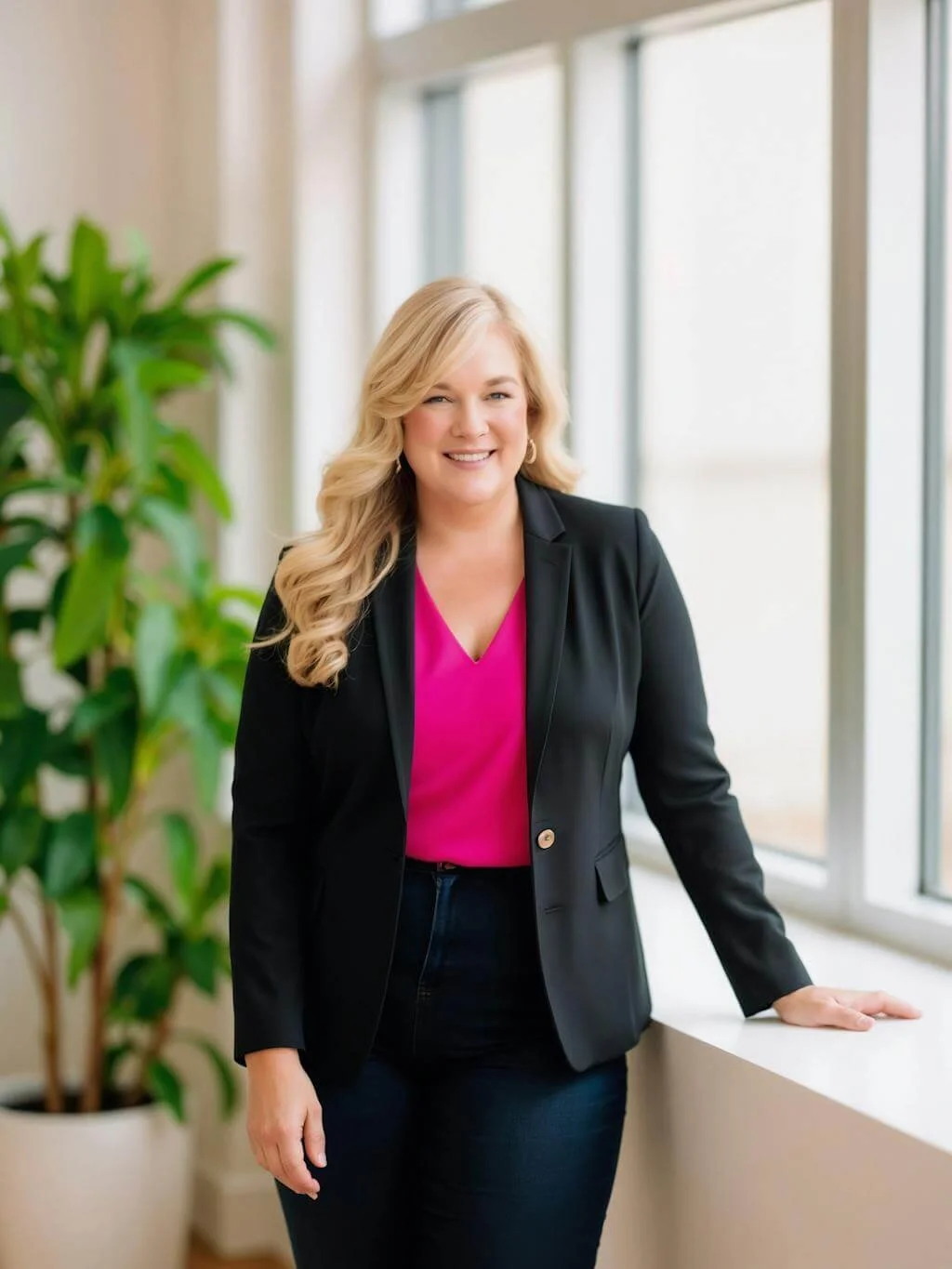
Dr. Destini Copp helps digital product creators build sustainable, systems-based businesses through the Creator Growth Flywheel framework. She's the founder of Creator's MBA and HobbyScool, and has been teaching online business strategy for over a decade. Learn more →