
Marketing Lessons Older Than AI, eight lessons from marketers who figured this out long before AI, and how I use each one in my business now.
Every creator I know has asked some version of this question. "If I give away so much for free, why would anyone pay me?" It's a fair question, and the answer is about 42 years old.
How old is this lesson?
It's 42 years old. Robert Cialdini published Influence: The Psychology of Persuasion in 1984. He was a psychology professor, and the book covers six principles that make people more likely to say yes.
The fun part is how he researched it. He didn't just run lab studies. He went undercover and signed up for training programs in sales, fundraising and advertising so he could watch how professionals actually got people to say yes. He opens the book by admitting he'd always been a "patsy" who got talked into things, and he wanted to understand why.
Reciprocity is the first principle in the book, and it's the one creators use the most whether they know it or not.
The lesson, in plain words
When someone gives us something, we feel like we should give something back. It's one of the oldest rules people live by, and it shows up everywhere from dinner invitations to holiday cards.
Cialdini's famous example is the free address labels charities mail out with their donation requests. A small gift that nobody asked for still makes people more likely to give, because it feels rude to take something and give nothing back.
For creators, your free content is the gift. A freebie, a newsletter that teaches something real, a free workshop or a free summit all make people feel like you've already helped them. When you make an offer after that, it doesn't feel like a cold pitch from a stranger.
When you give something first, your offer feels like the next step instead of a cold ask.
The reciprocity idea from Influence, 1984How I use it in my business
The AI Newsletter Summit this fall is the clearest example I have. It was 27 free workshops over three days, all about using AI to write, grow and make money from your newsletter.
After the summit, I sent everyone who registered an email called "Every free gift from the summit, in one place." It had every speaker's free gift in it, including Claude skills, templates and prompt packs, with a direct link to each one so nobody had to hunt for them.
Then I made my offer. Newsletter Profit Club lifetime was $597 for a few days, and I told people about it plainly in the emails that followed.
The order matters. People spent three days learning from us for free before they ever saw a price, so the offer came after we'd already helped them. That's reciprocity doing exactly what Cialdini described.
Reciprocity does most of its work in the Nurture stage of the Creator Growth Flywheel. Every helpful email, freebie and free event builds up goodwill before you ask for the sale.
How to use it this week
Give something useful right away
Look at your welcome email. Does it give new subscribers something they can use today, or does it just say thanks for signing up? Add one useful thing they can use right now.
Make the gift feel personal
Cialdini found that gifts work best when they feel meaningful and unexpected. A short video answering a common question, or a tool that solves one specific problem, feels more personal than a generic PDF.
Make your offer after you give
Put your offer after the free value, in the same email or the next one. Don't hide it, and don't apologize for it either.
Mistakes I see creators make with this
- Giving a gift that isn't useful. A thin PDF that just restates a blog post won't make anyone feel like they got something. Your free gift should solve one real problem on its own.
- Never making the offer. Some creators give and give and then feel awkward asking. Reciprocity only helps your business if you actually tell people what you sell.
- Asking before you give. Leading with a pitch to people who just met you skips the whole point. Help first, and then make your offer.
Why this feels harder than it is
A lot of creators worry about giving away too much. Here's how I think about it. Your free content should solve one problem completely, and your paid offer should solve the bigger problem that comes right after it.
So my free summit teaches people what's possible with AI and their newsletter. Newsletter Profit Club is where they get the full method and the support to actually do it every week. The free part makes people want the paid part more, because now they've seen it work.
The other worry is that giving first feels like a trick. It isn't, as long as the gift is really useful on its own. If someone takes your freebie and never buys, they should still be glad they got it.
What Cialdini would tell you about AI
AI makes it really easy to create free stuff, so there's a lot more free stuff out there now. A generic checklist doesn't feel like much of a gift anymore because anyone can make one in a minute.
So the gifts that work now are the ones only you could give. Your real numbers, your actual process, your own Claude skill built from how you run your business. Those still feel like a gift, and they still make people want to give back.
Keep reading the series.
This post is one of eight. Start with the full series overview, or jump to another lesson:
- Claude Hopkins: test everything and let the numbers decide
- Eugene Schwartz: sell to people based on how aware they already are
- David Ogilvy: the headline does most of the work
- Theodore Levitt: people buy the result, the product is how they get it
- Ries and Trout: own one clear spot in your buyer's head
- John Caples: story headlines that make people want to read on
- Gary Halbert: find a starving crowd before you pick an offer
See if your free content is turning into sales
The free Creator Growth Flywheel scorecard shows you whether people are moving from your freebies to your paid offers, and where they get stuck.
Take the free scorecard →Frequently asked.
What is the reciprocity principle?
Reciprocity is the idea that people feel they should give something back when they receive something first. Robert Cialdini made it famous as the first of six principles of persuasion in his 1984 book Influence.
How do creators use reciprocity in marketing?
Creators use free content like freebies, helpful newsletters, free workshops and free summits to give value first. When they make an offer after that, it feels like a natural next step to the people they've already helped.
Won't I give away too much for free?
Not if your free content solves one specific problem and your paid offer solves the bigger problem that comes next. Seeing the free part work usually makes people want the paid part more.
Is reciprocity manipulative?
It doesn't have to be. As long as your free gift is useful on its own and you make your offer openly, you're giving people real value and letting them decide what to do next.
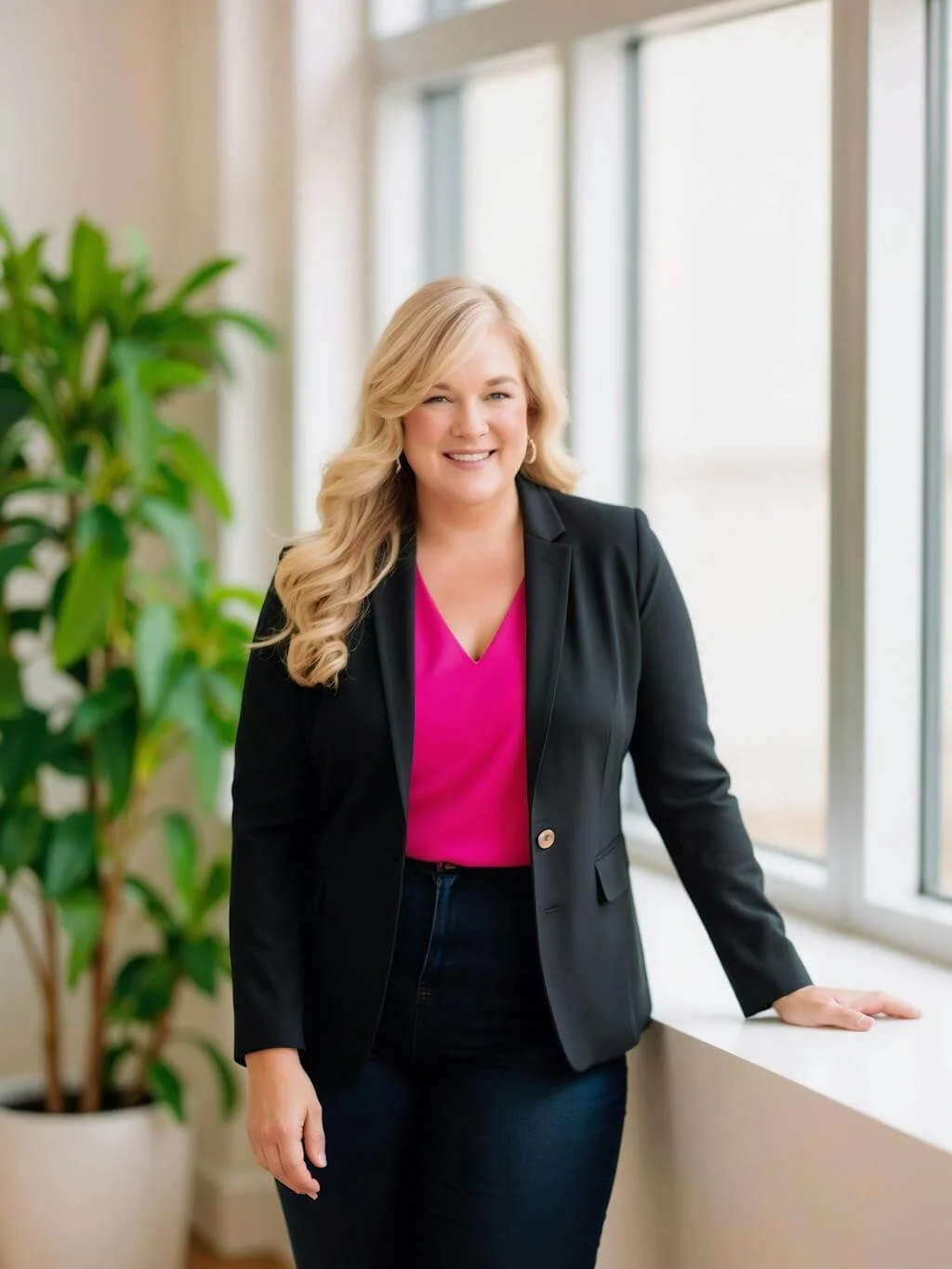
Dr. Destini Copp helps digital product creators build sustainable, systems-based businesses through the Creator Growth Flywheel framework. She's the founder of Creator's MBA and HobbyScool, and has been teaching online business strategy for over a decade. Learn more →