
AI changed how fast we can write an email, build a course or make a sales page. What it didn't change is how people decide to open, read and buy. People still trust what's specific, still respond to stories, and still buy the result they want.
That's why I put this series together. These are eight marketing lessons from people who figured them out long before AI, some of them over a hundred years ago. A few of these marketers had pretty unusual lives outside of advertising too, which makes their advice even more fun to learn.
For each lesson I wrote a full post that covers where it came from, what it teaches, how I use it in Creator's MBA or HobbyScool right now, and how you can use it this week.
Why old lessons matter more now
When everyone can make content in seconds, the internet fills up with content that sounds the same. AI tools are trained on what's already out there, so if you ask the same tool the same question as everyone else, you're going to get close to the same answer.
These lessons give you a way to use AI better. They tell you what to ask for, what to test and what to say first. I teach marketing to MBA students and to creators, and these are the ideas I come back to over and over because they work whether you're writing with a typewriter or with Claude.
Read the lesson that matches your biggest problem right now. If you're not sure which one that is, the free Creator Growth Flywheel scorecard at the bottom of this page will show you which stage of your business needs the most help.
The eight lessons
Claude Hopkins: test everything and let the numbers decide
Where it comes from: Claude Hopkins, Scientific Advertising. He tracked ads with coupons to count which ones brought in orders.
What it teaches: Stop guessing and test one thing at a time, so your audience tells you what works.
How I use it: I split test the subject lines on my big emails, like the AI Newsletter Summit invite that went to 8,207 people.
Eugene Schwartz: sell to people based on how aware they already are
Where it comes from: Eugene Schwartz, Breakthrough Advertising. He was also a serious modern art collector.
What it teaches: What you say should depend on how much your reader already knows about their problem and your product.
How I use it: On the last day of my Newsletter Profit Club lifetime offer, four different groups got four different emails.
David Ogilvy: the headline does most of the work
Where it comes from: David Ogilvy, Confessions of an Advertising Man. He was a hotel cook in Paris and sold cooking stoves door to door before advertising.
What it teaches: Most people only read the headline, so the headline has to tell them what they're getting.
How I use it: My subject lines lead with specifics, like "$23.50 a pass, and 1 in 10 are buying."
Theodore Levitt: people buy the result, the product is how they get it
Where it comes from: Theodore Levitt, "Marketing Myopia" in Harvard Business Review. He's the one who made the drill and the hole famous.
What it teaches: People buy the result, and your product is just how they get it.
How I use it: My Hand It to Claude email led with "From 16 hours of planning to 1 or 2" instead of the guide itself.
Robert Cialdini: give first and people want to give back
Where it comes from: Robert Cialdini, Influence. He went undercover in sales training programs to research it.
What it teaches: When you give something useful first, your offer feels like the next step.
How I use it: 27 free workshops at the AI Newsletter Summit came before any offer.
Ries and Trout: own one clear spot in your buyer's head
Where it comes from: Al Ries and Jack Trout, Positioning: The Battle for Your Mind.
What it teaches: Own one clear spot in your buyer's head that nobody else owns.
How I use it: HobbyScool is known for fun virtual events where makers can try different things all year long.
John Caples: story headlines that make people want to read on
Where it comes from: John Caples, the "They Laughed When I Sat Down at the Piano" ad. He was an engineer before he wrote ads.
What it teaches: A headline that starts a story makes people want to know how it ends.
How I use it: My "I thought it was just me" email told the real story of why my newsletter wasn't making money.
Gary Halbert: find a starving crowd before you pick an offer
Where it comes from: Gary Halbert, The Boron Letters, written to his son.
What it teaches: Pick an audience that's already hungry for what you sell before you build the offer.
How I use it: Newsletter creators who want to get paid and makers who love trying new crafts are the hungry crowds behind my two businesses.
Which lesson to start with
If you're not sure where to begin, here's how I'd pick based on what's going on in your business.
- People aren't opening your emails. Start with Ogilvy's headlines and Caples's story headlines.
- People open but don't buy. Start with selling the result and the five levels of awareness.
- Your freebies aren't turning into sales. Start with Cialdini's reciprocity.
- Nobody can describe what you do. Start with positioning.
- Your launches are hit or miss. Start with Hopkins and testing and Halbert's starving crowd.
Where AI fits into all of this
None of these lessons say to skip AI. I use Claude every day in both of my businesses. But each of these marketers would tell you that AI is a tool for doing their lesson faster, and it can't decide the lesson for you.
AI can write ten subject lines, and Hopkins tells you to test them. AI can write a sales page, and Levitt tells you what to put at the top. AI can make a freebie in a minute, and Cialdini tells you it has to be useful enough to feel like a gift. When you bring these lessons to your AI tools, what you make stops sounding like everyone else's.
Pick one lesson, read the full post, and try the steps this week. Then come back for the next one.
Find the lesson your business needs first
The free Creator Growth Flywheel scorecard takes two minutes and shows you which stage of your business is weakest, so you know which lesson to start with.
Take the free scorecard →Frequently asked.
What are the most important marketing lessons that still work today?
Eight that still work are testing everything, matching your message to how aware your reader is, writing strong headlines, selling the result, giving value first, owning one clear position, using story headlines and picking a hungry audience first.
Do classic marketing books still apply with AI?
Yes. Books like Scientific Advertising, Breakthrough Advertising and Influence explain how people decide to buy, and that hasn't changed. AI just helps you put those ideas to work faster.
Which classic marketing book should creators read first?
Start with the one that matches your biggest problem. If people aren't opening your emails, start with Ogilvy. If they open but don't buy, start with Levitt's Marketing Myopia or Schwartz's Breakthrough Advertising.
How can I use old marketing lessons with AI tools?
Use each lesson to tell AI what to make, then use your audience's response to decide what works. For example, ask AI for subject lines with a specific detail like Ogilvy suggested, then test two like Hopkins did.
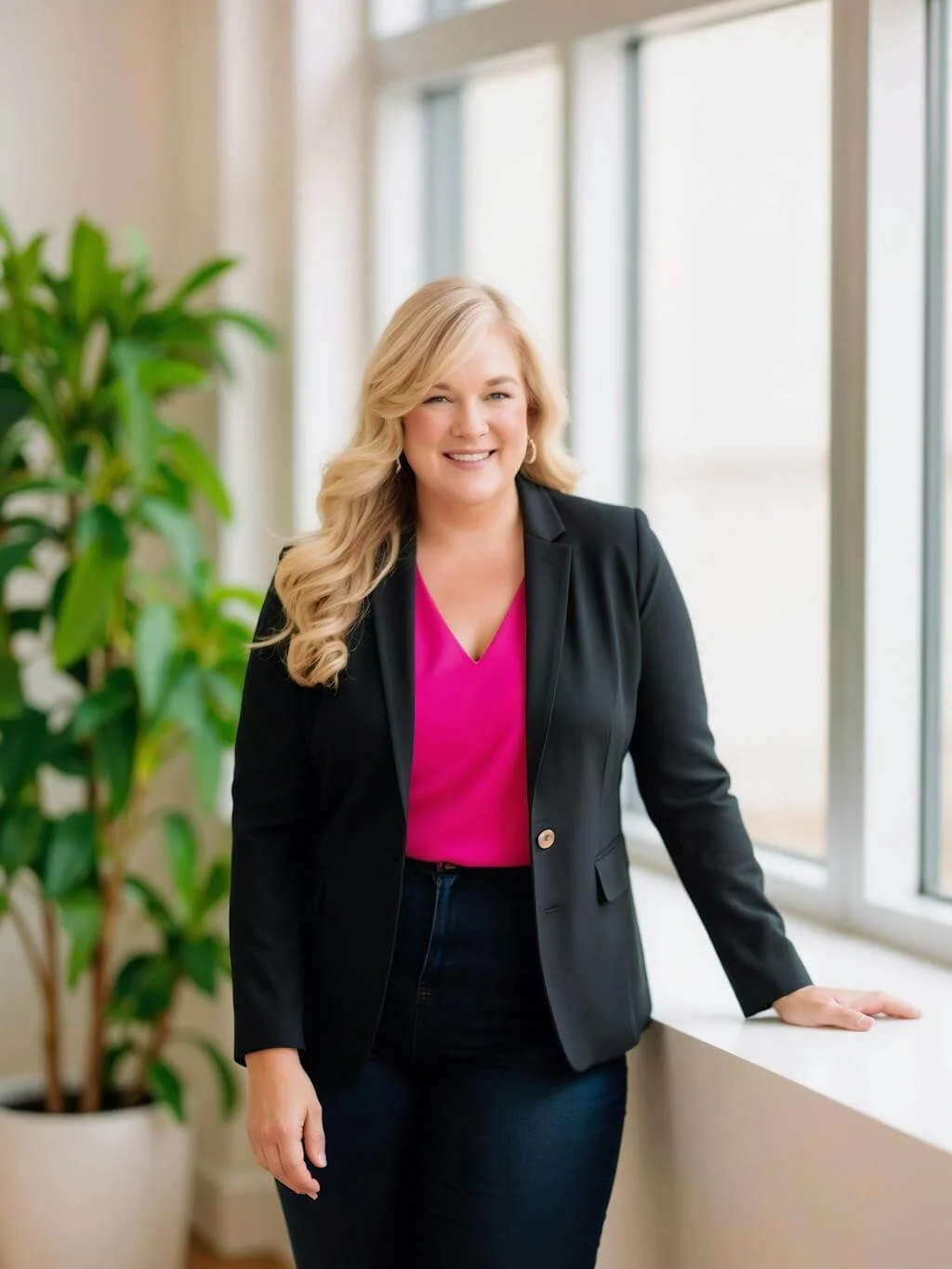
Dr. Destini Copp helps digital product creators build sustainable, systems-based businesses through the Creator Growth Flywheel framework. She's the founder of Creator's MBA and HobbyScool, and has been teaching online business strategy for over a decade. Learn more →