
Marketing Lessons Older Than AI, eight lessons from marketers who figured this out long before AI, and how I use each one in my business now.
You send an email, it does fine, and you have no idea why. Then you send a different one the next week, it flops, and you have no idea why either. A lot of creators run their whole business on that kind of guessing, and it's exhausting because every send feels like starting over.
Claude Hopkins had a fix for this in 1923, and it's the first lesson in this series because every other lesson works better once you're doing it.
How old is this lesson?
It's 103 years old. Hopkins published Scientific Advertising in 1923, after decades of writing ads at the Chicago agency Lord & Thomas. He's the copywriter behind the Pepsodent toothpaste campaigns, and yes, his name really was Claude, which makes him a fun one to bring up when you're teaching people how to use AI.
What made Hopkins different from most ad men of his time is that he didn't trust opinions, including his own. He learned the business in mail order, where every ad either brought in orders or it didn't, so he could see exactly what each ad earned.
He put coupons and codes in ads so he could count how many replies each version brought in. Then he'd run a different headline or a different offer and count again. His whole argument in the book is that advertising stops being a gamble once you measure it, because the answers come from what people actually do.
Hopkins treated every ad like an experiment and every coupon like a vote.
The idea behind Scientific Advertising, 1923The lesson, in plain words
Don't guess what your audience wants when you can test it. Change one thing, send both versions to real people, and let the numbers decide which one stays.
That sounds obvious, but it's harder to do than it sounds. Most of us change five things at once when something isn't working, so even when it gets better we don't know which change did it. Hopkins changed one thing at a time on purpose, so every test taught him something he could use on the next ad.
Why it matters even more now
AI makes it really easy to write ten subject lines in ten seconds. So now the hard part is picking the right one, and your gut is a pretty bad judge. When you test, your audience picks for you, and they're the only ones whose opinion pays your bills.
How I use it in my business
I test subject lines on almost every big email I send now. Kit has split testing built in, so it sends both versions to a slice of the list, sees which one gets opened more, and then sends the winner to everyone else.
When I invited my list to the AI Newsletter Summit, I tested "You don't have to watch all 27" against "Make money from every newsletter you send." It went to 8,207 people and 48% of them opened it.
When I promoted Hand It to Claude, a free guide where 19 of us each shared a marketing job we handed to Claude, I tested "I plan my promotions months ahead now" against "From 16 hours of planning to 1 or 2." That one went to 8,568 people and 44% opened it.
I don't run these tests to prove I'm right. I run them because every test tells me a little more about what my readers respond to, and after a while you start to see patterns, like whether they open more for a specific number or for a story.
Testing works at every stage of the Creator Growth Flywheel, from the ads and freebies that attract people to the emails that nurture them and the offers that keep them. Start testing at whatever stage is weakest for you right now.
How to use it this week
You don't need fancy software to start. You need one thing to test and a way to count the results. Here's how I'd set up your first one.
Pick one email that matters
Choose an email going to your whole list this week, ideally one with a link to something you sell. A test on an email nobody clicks won't tell you much.
Change only the subject line
Write two subject lines that are actually different. One could lead with a number and the other could lead with a story. If they're almost the same, the test won't teach you anything.
Let your email tool pick the winner
Kit, and most email tools, will send both versions to part of your list and then send the better one to everyone else. Turn that on and leave it alone.
Write down what won
Keep a simple note with the date, both subject lines and which one won. After ten tests you'll have a real picture of what your readers open.
Mistakes I see creators make with this
- Testing two emails that are almost the same. If your two subject lines only change one word, the difference in results will be tiny and you won't learn much. Test two different ideas, like a number against a question.
- Calling a winner too early. A handful of opens isn't enough to know anything. Let the test run on enough people that the difference is real, and if your list is small, look for patterns across several sends.
- Never writing anything down. A test you don't record is a test you'll forget. Keep one running list so you can look back after a few months and see what your audience keeps responding to.
Why this feels harder than it is
The hardest part of testing is getting used to being wrong. You'll be sure one subject line is better, and your list will pick the other one, and that can sting a little the first few times.
But that's the whole point of testing. Hopkins wasn't trying to be right, he was trying to find out, and he trusted what people did over what anyone in the room thought. Once you start treating your emails like small experiments, a flop stops feeling like a failure and starts feeling like information you can use on the next send.
It also takes a lot of pressure off. You don't have to write the perfect email anymore. You just have to write two good ones and let your audience tell you which one they wanted.
What Hopkins would tell you about AI
I think he'd love it, honestly. AI gives you more versions to test than he ever had, and it can help you look at your results and spot patterns faster. But he'd also tell you that AI can't decide what your audience wants, because only your audience knows that.
So use AI to write the options and use testing to choose between them. That's a 103-year-old rule working with a brand new tool, and it's the reason I put Hopkins first in this series.
Keep reading the series.
This post is one of eight. Start with the full series overview, or jump to another lesson:
- Eugene Schwartz: sell to people based on how aware they already are
- David Ogilvy: the headline does most of the work
- Theodore Levitt: people buy the result, the product is how they get it
- Robert Cialdini: give first and people want to give back
- Ries and Trout: own one clear spot in your buyer's head
- John Caples: story headlines that make people want to read on
- Gary Halbert: find a starving crowd before you pick an offer
Find out which part of your business to test first
The Creator Growth Flywheel scorecard takes two minutes and shows you which stage is costing you the most money right now.
Take the free scorecard →Frequently asked.
What is Claude Hopkins known for?
Claude Hopkins was an American copywriter who wrote the book Scientific Advertising in 1923. He's known for treating advertising like an experiment, using coupons and codes to track which ads brought in orders, and for the Pepsodent toothpaste campaigns.
How do I split test my email subject lines?
Write two subject lines with two different ideas behind them, like one with a number and one with a story. Then use your email tool's split test feature, which sends both versions to part of your list and sends the winner to everyone else.
How many people do I need on my list to run a test?
A few hundred subscribers is enough to start seeing a difference on subject lines. With a smaller list, keep a running log of your tests so the patterns show up over several sends.
Is Scientific Advertising still worth reading?
Yes. It's short and the examples are old, but the main idea of measuring what people actually do still applies to emails, sales pages and ads today.
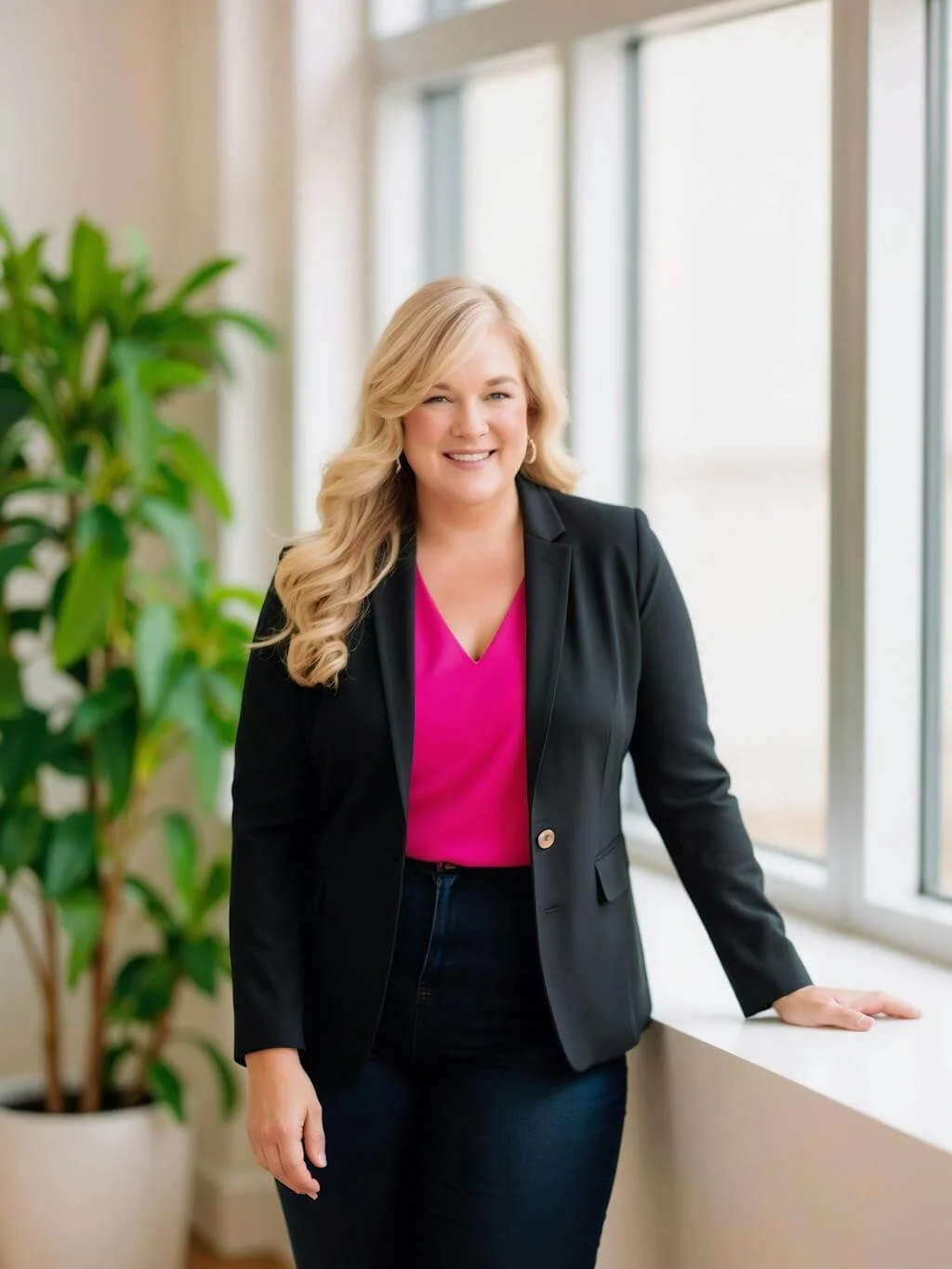
Dr. Destini Copp helps digital product creators build sustainable, systems-based businesses through the Creator Growth Flywheel framework. She's the founder of Creator's MBA and HobbyScool, and has been teaching online business strategy for over a decade. Learn more →