
Walk through one sale from start to finish, put a time on every step you touch by hand and multiply by how often it happens. The biggest total is your expensive step. Make it standard and self-serve with one price, one set of terms, a page that answers the questions and a form or checkout that handles the signup.
Every creator business has one step that eats more time than it should. It's usually something you do by hand for every single sale, signup or partner, and it's usually so normal by now that you don't even see it as a problem.
Maybe it's onboarding every new client on a call. Maybe it's going back and forth over email with every speaker for your summit. Maybe it's writing a custom proposal for every sponsor.
Noah Kagan, the founder of AppSumo, wrote about finding that step in his own business and fixing it, and the result was big enough that it's worth walking through. Then we'll find the expensive step in yours.
AppSumo's two biggest problems
AppSumo sells deals on software. For years, getting one deal live on the site took a lot of people's time. Noah put the cost at about $5,000 per deal.
And only about one in five to one in seven deals sold well. So every deal was expensive, and most of them didn't work out.
The obvious fix would be to get better at picking deals. Noah went after the bigger problem instead, which was the cost of trying at all. AppSumo built a self-serve option called AppSumo Radar, where software founders list themselves.
The cost to get a deal live dropped from about $5,000 to about 50 cents. And instead of trying about five new deals a week, they could try about five a day.
Noah was clear that they won't all be hits. That's fine. When trying is cheap, you can afford to try a lot more, and more tries means more winners.
He did it with pricing too
Noah used the same thinking on his own apps. Two of them, Rhino Voice and MeetMouse, were selling about one a week. His thinking was that people couldn't know they wanted them until they used them. So he made them free to start. Sales jumped to about one a day.
He did something similar with BreezeDoc, his alternative to DocuSign. His view was that anyone can build an e-signature tool with AI now, so charging for signing didn't make sense. They made signing unlimited and free at the end of October, and documents sent went up about 10%.
So what do they charge for? The things that actually cost them money, like a custom domain or removing their branding.
Where I've done this
The expensive step in my event business used to be sponsorships. Every sponsor could turn into its own little project, with its own price, its own terms and its own agreement to fill in.
So I made it the same every time. Every Creator's MBA event sponsorship now follows one $497 format. I use one general Speaker Sponsorship Agreement across all my events, so nothing gets filled in by hand for each event. For one event, I set three sponsored live sessions per day, first come, first served, and each one includes the live session plus a mention of the sponsor's free gift in the morning and evening attendee emails.
Sponsors know exactly what they're getting and I'm not rebuilding the offer for every conversation.
I did something similar with speaker promotion. Instead of tracking by hand who promoted an event and who didn't, I built an app called Collab Party where speakers log their own promos and see where they land on a leaderboard. The speakers do the logging and I get to see what happened without chasing anyone.
How to find your expensive step
Walk through one sale from start to finish
Pick your main offer and list every step between "someone hears about it" and "someone is happily using it." Include the steps you do yourself, like answering questions, sending contracts, setting up access and onboarding calls.
Put a time next to each step
How many minutes does each one take you, per customer? Be honest. A "quick" email thread that goes back and forth six times is not quick.
Multiply by how often it happens
A 20-minute step that happens once a month is fine. A 20-minute step that happens for every one of 40 sales a month is more than 13 hours. The expensive step is usually the one that happens most often.
Ask who else could do it
Could the customer do this step themselves if you gave them a clear form, a standard price or a short video? Could a tool do it? Could a person on your team do it with a written process? Self-serve is usually the first one to try.
What self-serve looks like for creators
Self-serve doesn't have to mean building an app. Most of the time, it means four simple things.
One standard offer
Pick one price and one set of terms, and use them every time. That's what made my sponsorships faster. If every partner, speaker or client gets a custom deal, every one of them is a project.
A page that answers the questions
Write down the questions people ask you before they say yes, and answer them on the page. Every question answered on the page is one fewer email in your inbox.
A form or checkout that does the signup
Let people apply, sign or pay on their own. A simple application form, a checkout page and an agreement they accept as part of signing up can replace a whole email thread.
Automatic next steps
Once someone signs up, an email sequence can send them what they need: access, the schedule, the promo links, the reminders. You only step in when something needs a real person.
Noah's free apps are the same idea pointed at your buyers. If people can't tell they want your thing until they try it, the expensive step is convincing them. Letting them try it first can do that job for you. For a creator, that could be a free first module, a free trial week in your membership or a low-priced first offer. Then charge for the part that costs you money or time to deliver.
Find the one step you do by hand for every customer, partner or speaker. Write the standard version of it: one price, one set of terms or one form. Use that standard version with the next person who comes through.
Why we keep doing it the slow way
The slow way usually started for a good reason. When you had three clients, a custom call with each one made sense. When you ran your first summit, emailing every speaker was a great way to build relationships.
The trouble is that the business grew and the step didn't change. And because you're good at the step, it doesn't feel like a problem. It just feels like work.
There's also a worry that standard means less personal. But when the paperwork and the pricing are the same for everyone, you have more time for the parts that should be personal, like the live session itself, a real conversation or a thank you after the event.
"When trying is cheap, you can afford to try a lot more. And more tries means more winners."
Dr. Destini CoppWhere this fits in your flywheel
The Creator Growth Flywheel is my framework for the five stages of a creator business: Attract (getting found), Engage (a first yes, like joining your list or buying a small offer), Nurture (building trust), Retain (keeping customers) and Advocate (customers and partners who send you more people).
Expensive steps show up in every stage, but they tend to pile up in two places. In Engage, the expensive step is often convincing people to take a first step, which is where free-to-start helps. In Advocate, it's often the work of managing partners, speakers, affiliates and sponsors, which is where standard offers and self-serve signups help.
If you want to know which stage of your business needs the most work right now, take the free scorecard below. It takes about two minutes.
Find the stage where your time is going
The free Creator Business Scorecard shows you which stage of your Creator Growth Flywheel needs the most work. It takes about two minutes.
Take the free scorecard →This post is one of seven. Each one takes a lesson from Noah's year-end email and shows you how to use it in your own creator business.
- Would you start it today? How to decide what to cut
- How did you get your last customer? Do that again
- How to find your main offer and make everything feed it
- Make the expensive step self-serve (you're here)
- Set up business reports that suggest the fix
- Grade your last 10 emails
- Buy your own product
Inside the Creator's MBA Mastermind, members get a Claude skill that takes any founder's lessons, like these, and turns them into steps for their own business. Not sure it's a fit? Take the two minute quiz.
Frequently asked.
How do I make my creator business less hands-on?
Find the one step you do by hand for every sale, partner or speaker, and make it standard. One price, one set of terms, a page that answers the common questions and a form or checkout that handles the signup will replace most back-and-forth emails.
What does self-serve mean for a small business?
It means a customer or partner can take a step without waiting for you. They read the page, pick the option, sign and pay on their own, and an automatic email sends them what they need next.
Should I offer a free version of my product?
Consider it if people can't tell they want your product until they try it. A free first module, a trial week or a low-priced first offer can do the convincing for you. Charge for the parts that cost you money or time to deliver.
How do I standardize sponsorships for my events?
Use one price and one package for every sponsor, and one agreement you don't have to fill in by hand for each event. Spell out exactly what's included, like a live session and mentions in attendee emails, and let sponsors sign up first come, first served.
How do I figure out which task takes the most time in my business?
List every step of one sale in order, write how many minutes each takes you per customer and multiply by how many times it happens in a month. The step with the biggest total is usually the one to fix first.
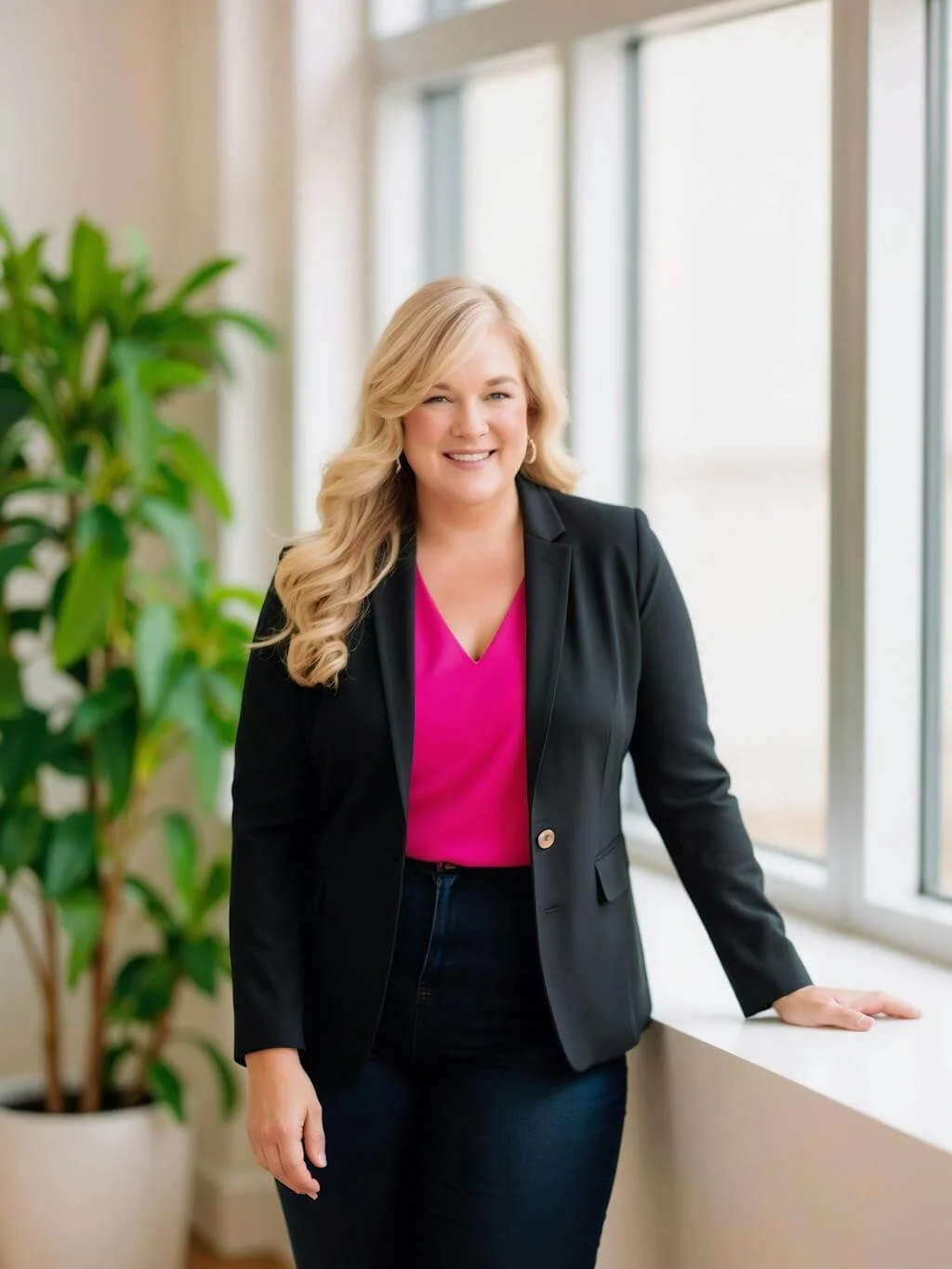
Dr. Destini Copp helps digital product creators build sustainable, systems-based businesses through the Creator Growth Flywheel framework. She's the founder of Creator's MBA and HobbyScool, and has been teaching online business strategy for over a decade. Learn more →