
People Pay More for a Newsletter With a Real Person Behind It
The Logic launched a $449 newsletter-only tier built around its reporters, and readers paid more for it. People want a real person behind the newsletters they read. I run two brands, Creator's MBA and HobbyScool, and I still ask new subscribers to reply and I answer them, which builds the relationship and helps my emails land in the inbox.
A lot of creators put a brand name on their business and then start writing like a company. The emails get more polished and less personal, and the person who started the whole thing kind of disappears.
The publishers who spoke at a conference last month are going the other way. They're putting their writers front and center and charging more for it.
The Logic charges $449 for its reporters.
At Press Gazette's Future of Media Technology Conference in September, David Skok, the CEO of The Logic, talked about a new tier they launched this year. You can read the Press Gazette write-up here.
The professional tier costs $449 per team member, and the main extra is email briefings from their lead reporters on AI, finance, economics and trade. Skok described it as newsletter-only and driven by the reporters' personalities. He said readers were willing to pay even more for it, so they're making more per subscriber.
Reach, the UK publisher behind the Mirror and the Express, did something similar last summer. It launched about 20 newsletters built around its journalists' own interests, like books, gaming, Formula 1 and cricket, some free and some paid.
George Monaghan, the newsletters editor at The New Statesman, gave the simplest advice of the whole panel. He said to invest in great writers and put them out front.
How I do this with two brands
My businesses run under brand names. Creator's MBA is my business education brand, and HobbyScool is my creative education brand with virtual craft summits and a membership. But there's a real person behind both of them, and people know that.
Here's one thing I do at HobbyScool. When someone signs up for one of our events for the first time, I tell them to reply and let me know what hobby they're most interested in or what they like doing. People love answering that. They write back and tell me about the crafts they love, and I always write back to them.
It shows people there's a real person reading their answers. It also helps every email I send after that, because replies and clicks tell their email provider that they want my emails.
What the reply does for deliverability
Deliverability is whether your email lands in someone's inbox or gets sent to spam or the promotions tab. Gmail, Yahoo and the other email providers watch how people treat your emails to decide where they go.
That first email after someone signs up matters a lot. You want them to click something in it, like the link to download their free gift or the event details. That click is a signal to their email provider that they want your emails.
A reply is an even stronger signal. When someone writes back to you, their email provider sees a conversation between two people, and your future emails are more likely to land in the inbox. So the reply helps the relationship and it helps your emails get seen.
How to ask for replies in your own welcome email
- Ask one easy question. Something people can answer in a sentence, like what they're working on or what they'd most like help with.
- Make it about them. People like talking about their hobby, their business or their goal.
- Answer back. Even a short reply from you tells them a real person read it.
- Use what they tell you. Their answers tell you what to teach and what to sell next.
Simple ways to keep the person in a branded newsletter
You don't have to drop your brand name to do this. You just have to make sure readers can see who's writing. Here are a few easy places to start:
- Put your name in the from line. Something like "Your Name at Your Brand" shows people who the email is from before they open it.
- Write in first person. Say "I" and "we" and talk about what you did this week, the way you'd tell a friend.
- Share real numbers and real results. What sold, what didn't, what you tested and what you're changing.
- Sign your emails. A name at the bottom is a small thing, and it reminds people a person wrote it.
- Share reader replies. With permission, put a reader's answer or question in the next issue so people see the conversation going both ways.
Ways a newsletter with a person behind it makes money
Once people trust the person behind the newsletter, there are several ways to earn from it, and you don't need a huge list for any of them.
Your own offers
Every issue teaches something and then points to something you sell. I call this Teach and Pitch. The teaching builds trust, and the pitch gives people a next step.
Tools you already recommend
If you talk about the software and tools you use, you can join their affiliate programs and earn when your readers sign up. Readers want to know what you actually use, so this fits naturally.
Sponsors
Sponsors want to reach a specific audience, and creators with small niche lists can be a great fit for them. I sell sponsor spots in my Creator's MBA newsletter, from a $37 listing up to a $300 weekday sponsorship.
A paid tier
This is what The Logic did. If you can offer something extra that only you can write, like deeper analysis, your own numbers or behind-the-scenes access, some readers will pay for it.
Why this feels hard
Showing up as yourself can feel uncomfortable, especially when you've built a brand that's bigger than you. It's easy to think a polished company voice looks more professional.
The publishers on this panel have big teams and big budgets, and they're still betting on individual writers. That's a good sign for creators, because in most of our businesses, we're the person readers signed up to hear from in the first place.
Learn how to get paid from every issue
My closing workshop at the AI Newsletter Summit is Get Paid: How to Make Money From Every Newsletter You Send. It's live on Thursday, October 29 at 11:30 a.m. Eastern, and it covers what we teach inside Newsletter Profit Club.
I also recorded two sessions that go deeper on this post, Get Paid by Sponsors Even With a Small List and Earn From the Tools You Already Recommend. The summit is free, and the recorded workshops stay open until Friday morning of summit week.
That wraps up this series. If you missed the first three, start with why subscribers buy in the first 48 hours, then what 90 days of my subject lines showed and how AI inbox summaries affect newsletters.
Get Paid: How to Make Money From Every Newsletter You Send
That's my closing workshop at the AI Newsletter Summit, live Thursday, October 29 at 11:30 a.m. ET. Registration is free.
Save your seat →Frequently asked.
Do email replies help deliverability?
Yes. When people reply to your email, it tells their email provider that they know you and want your messages, which helps your future emails land in the inbox. Clicks on your first email help the same way.
How do I get subscribers to reply to my emails?
Ask them a simple question they want to answer. In my HobbyScool welcome email I ask people what hobby they're most interested in or what they like doing, and a lot of them write back. Then I answer them.
Can a branded newsletter still feel personal?
Yes. My newsletters go out under Creator's MBA and HobbyScool, but I write them, I sign them and I answer the replies. Readers can tell there's a person on the other end.
Will people pay for a newsletter?
They will when it gives them something they can't get anywhere else. The Logic added a $449 professional tier built around newsletters from its own reporters, and it said readers were willing to pay more for it.
How can a small newsletter make money?
Sell your own offers in each issue, earn affiliate income from tools you already recommend, sell sponsor spots, or add a paid tier. Sponsors often want small lists with a specific audience, so you don't need a huge list to start.
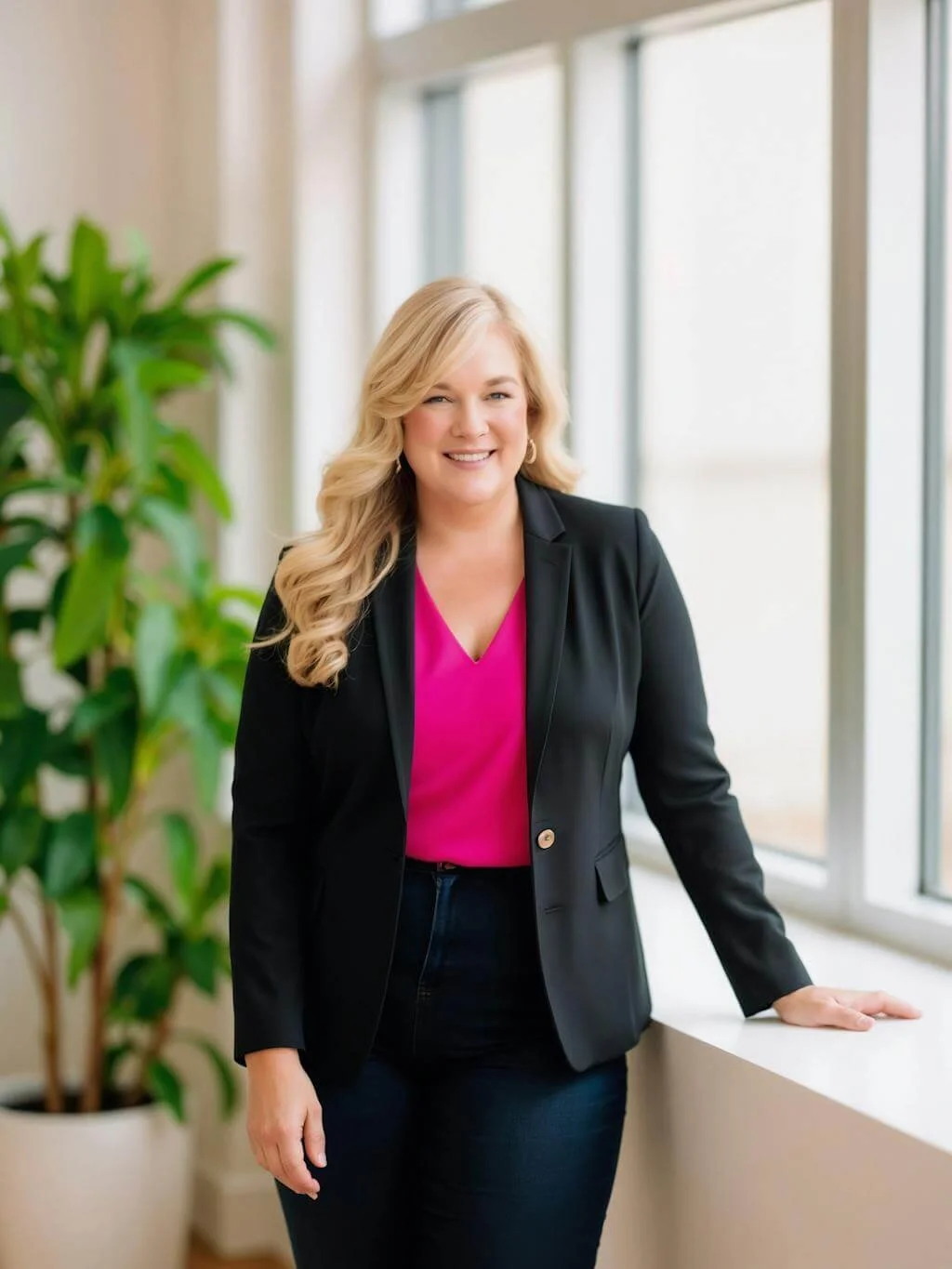
Dr. Destini Copp helps digital product creators build sustainable, systems-based businesses through the Creator Growth Flywheel framework. She's the founder of Creator's MBA and HobbyScool, and has been teaching online business strategy for over a decade. Learn more →