
What Sephora Can Teach You About Promoting Your Digital Products
- Sephora almost always has a campaign going, but only two of them are big sitewide sales. The rest are things like birthday gifts, members-only weekends and holiday gift sets.
- A campaign is a theme with a start date, an end date, a reason to pay attention now, and one path it promotes.
- Every campaign should lead to your signature offer, the one most of your buyers should end up in.
- Running one campaign a month makes promoting feel fun and friendly, and your Q4 is the easiest place to start.
If you run a digital product business, you probably know this pattern. You go a few weeks sending helpful emails and not selling anything, and then a launch comes up and suddenly every email is a pitch. Your open rates dip, a few people unsubscribe, and the whole thing feels a little awkward, so you go quiet again until the next launch.
Now think about the last time you got an email from Sephora. It didn't feel awkward at all. There was a sale coming up, or a gift for your birthday, or a holiday gift set, and you probably opened it because you wanted to see what was going on.
That's the difference I want to talk about in this post. Ecommerce brands like Sephora almost always have a campaign running, and because each one has a theme and a reason to pay attention, their promotions feel fun and friendly. Digital product businesses can run the same way, and it's the idea this whole Q4 series is built on.
Sephora almost always has something going on.
Let's look at what Sephora's year actually looks like, because it's a lot more than one big sale.
The biggest moment is the Sephora Savings Event, a sitewide sale for members of its Beauty Insider loyalty program. It runs twice a year, once in the spring and once in the fall. The fall 2025 event ran from October 31 through November 10, and the spring 2026 event wrapped up on April 20.
The discount depends on your membership tier. Rouge members, who spend $1,000 a year, get 20% off. VIB members, who spend $350 a year, get 15% off, and everyone else in the program gets 10% off. Sephora's own brand, Sephora Collection, is 30% off for everyone.
The top tier also gets in first. During the fall 2025 event, Rouge members could shop starting October 31, while VIB and Insider members got access on November 4.
Based on the fall 2025 Sephora Savings Event, as reported by NBC Select.
Around those two sales, there's a lot more happening. Every Beauty Insider member gets a free birthday gift. Rouge members get their own Rouge Celebration Weekend. Deal-tracking sites like Salendar also show rotating daily deals in the spring, a National Lipstick Day promotion in July, and advent calendars and holiday gift sets from October through December.
Only two of those are big sales
Here's what I want you to notice. Sephora runs a sitewide sale twice a year, and that's it. Everything else on its calendar is a reason to come look that has nothing to do with slashing prices.
A birthday gift is a reason to come back. A members weekend is a reason to feel special for spending more. A holiday gift set is a reason to buy something you might not have picked up on its own, because it's packaged for a gift and it's only around for a few weeks.
This is the part that changes how promoting feels. When you only show up to sell during a launch, every sales email carries a lot of pressure. When there's a campaign every month, each one is just the thing that's happening right now, and your readers get used to hearing about it.
What a campaign actually is
A campaign sounds like a big production, but it's pretty simple. It's a theme with a start date, an end date, and a reason for people to pay attention right now.
A theme people can remember, like a fall reset week or a members-only open house.
A start and end date, so there's a clear window and a clear finish.
A reason to pay attention now, like a bonus, early access, a live event or a bundle that goes away.
A path it leads to, meaning the one way into your business that this campaign promotes.
That fourth part is where digital product businesses have a big advantage, so let's talk about it.
Every campaign should lead to your signature offer.
Sephora's promotions all point back to the same place, which is getting you into the store and moving you up in the Beauty Insider program. Your campaigns should work the same way.
Most digital product businesses have a signature offer. That's the offer you want most of your buyers to end up in, the thing all roads lead to. For a lot of creators it's a membership, a coaching program or a flagship course.
Everything else you have is a way into it. Your lead magnet, your low-priced tripwire offer, your free training and your webinar are all doors, and each one can lead to the signature offer. Here are a few common paths:
- Lead magnet, then a low-priced tripwire offer, then your signature offer
- Free training, then an evergreen webinar, then your signature offer
- Newsletter, then a smaller offer, then your signature offer
Each month's campaign picks one of those paths and promotes it. So in October you might run a campaign around your lead magnet, in November you'd run your Black Friday offer, and in December you might promote your annual plan. The way in changes from month to month, and every campaign still leads to the same signature offer.
The Q4 Campaign Planner is a free Claude skill that asks you about everything you sell and give away, names your signature offer, and maps how everything leads to it.
Then it plans one campaign each for October, November and December, with a starting pick for which Black Friday option fits your business. Get the free skill →
Four Sephora moves you can borrow
You don't need a huge catalog or a loyalty program to use these ideas. Here's how each one translates to a digital product business.
Early access for your best customers
Sephora lets Rouge members shop the sale before everyone else. You can do the same by giving past buyers and members a head start on your next offer, a day or two before your full list hears about it.
A birthday or anniversary gift
Every Beauty Insider member gets a birthday gift. Your version could be a customer anniversary email, sent a year after someone buys, with a small bonus or a thank-you and an invitation to your next step.
A members-only weekend
The Rouge Celebration Weekend is just for top-tier members. A live workshop, a Q&A or an open house for your current members does the same thing, and it gives people who aren't members yet a reason to join.
Seasonal gift sets
Sephora packages products into holiday sets that are only around for a few weeks. You can bundle older workshops, replays or templates into a seasonal bundle at one price, and keep your signature offer out of it so the bundle doesn't become a cheaper way into the same thing.
"But I don't want to email my list that much."
I hear this a lot, and I get it. Nobody wants to be the person who's always selling.
Here's the thing, though. A campaign every month can run through the emails you're already sending, so each one has a job. Your weekly newsletter can carry the campaign in one section, and you add a few dedicated emails when something opens or closes.
And your readers actually like knowing what's going on. Nobody complains that Sephora tells them about the Savings Event, because they want to know when it's happening. When your campaigns have a theme and a clear end date, your emails read like news about what's happening in your business.
I run 24 events a year across Creator's MBA and HobbyScool, so there's always something going on for my audience. That rhythm is what keeps promoting from feeling like a big, scary launch every few months.
What this looks like for your Q4.
The fourth quarter is the easiest place to start, because people already expect promotions from October through December. Here's how the three months can work together:
- October warms up your list, so November doesn't feel like it came out of nowhere. This is a great month for a free challenge, a workshop or a lead magnet push.
- November is where Black Friday goes, and it's one piece of the month and one campaign in your quarter.
- December keeps selling after Cyber Monday, with things like gift memberships, a year-end price increase or an annual plan push.
We'll go through each of these in the rest of this series, starting with how to find your signature offer, and including your Black Friday options and ideas for campaigns that don't feel salesy at all.
Plan October through December in one sitting
Get your signature offer, a map of how everything you offer leads to it, and one campaign for each month of your fourth quarter.
Get the Q4 Campaign Planner →Frequently asked.
What is a marketing campaign for a digital product business?
A campaign is a theme with a start date, an end date, and a reason for people to pay attention right now. Each campaign promotes one way into your business, like a lead magnet, a workshop or a bundle, and that way in leads to your signature offer.
How often should I run a promotion in my digital product business?
A good starting point is one campaign per month. That gives your list a steady reason to pay attention without stacking two promotions on top of each other. Not every campaign needs a discount, and most of them shouldn't have one.
How do I promote my digital products without sounding salesy?
Give every promotion a theme and a reason to pay attention now, the way retail brands do with a members week or a holiday gift guide. When people know what the campaign is and when it ends, the emails read like news about what's happening in your business.
Do I have to discount my products to run a campaign?
No. Sephora runs only two big sitewide sales a year. The rest of its calendar is things like birthday gifts, members-only weekends and gift sets. You can do the same with early access for past buyers, bonuses, bundles and live events.
What should I promote in my Q4 campaigns?
Start by naming your signature offer, the one most of your buyers should end up in. Then pick one way into it for each month. October might promote a lead magnet, November carries your Black Friday offer, and December keeps selling after Cyber Monday.
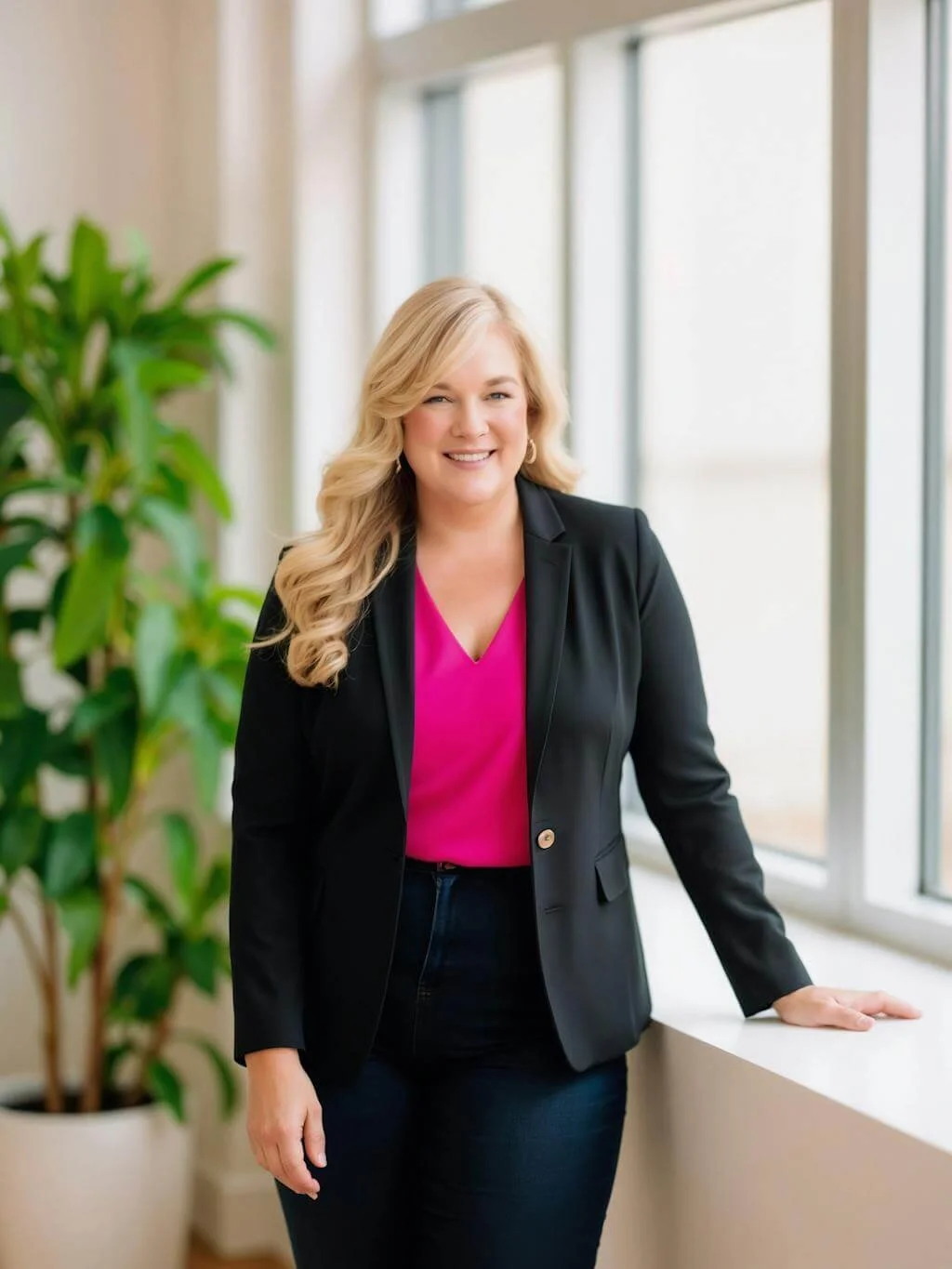
Dr. Destini Copp helps digital product creators build sustainable, systems-based businesses through the Creator Growth Flywheel framework. She's the founder of Creator's MBA and HobbyScool, and has been teaching online business strategy for over a decade. Learn more →