
What Substack's New Sponsorship Formats Mean for Small Newsletters
Substack just announced three new ways brands can sponsor a newsletter. The program is built for Substack's bestsellers, but the ideas behind it work for any newsletter, including a small one you send from Kit or beehiiv.
This is the first post in a short series on those three formats. In this one I'll walk through what Substack announced and what each format looks like when you have a small list and your own products to sell. Then the next posts go deep on each one.
What Substack announced.
Dan, who runs brand partnerships at Substack, shared the next phase of their sponsorship program in a post called A new vision for sponsorships. The program started in June with what Substack calls Creator Kits, which are media kits their bestsellers can turn on so brands can see who reads them. Since then they've been testing campaigns with brands like Uber, T-Mobile and Balenciaga.
Now they're adding three new formats and each one is built around giving readers something they'd normally have to pay for.
The upgrade
A brand pays for a month of paid access for a newsletter's free readers. Readers get the full paid version for free and when the month ends some of them become paying subscribers.
The unlock
A brand pays to take one paid post out from behind the paywall so everyone can read it. The writer gets paid for the post and new readers get a taste of the paid work.
The masthead
A brand works with several writers on one theme and puts all of it in one place, kind of like a digital magazine. Substack's examples are things like a gift guide collection or a set of travel writing.
They also added a new way to measure results. For big campaigns, Substack is offering independent surveys from Kantar that check whether readers know the brand better, think about it differently or are more likely to buy after the sponsorship runs.
The idea behind all three
The part of Dan's post I keep coming back to is how he explains the difference between an ad and a sponsorship. An ad tries to grab your attention. A sponsorship pays for something the reader gets to enjoy and the reader knows who made it possible.
"A sponsorship is the wind at your back."
Dan, Head of Brand Partnerships at SubstackThis matters a lot when your list is small. If a sponsor is only buying attention, they're going to compare your list size to everyone else's and a list of 1,500 people doesn't win that comparison.
But when the sponsor is paying to give your readers a gift, what they're really buying is the trust your readers have in you. Creators with small niche lists are gold to sponsors for exactly this reason, because the readers are the right people and they actually read what you send.
What this looks like for a small newsletter.
Most of the people I work with in Newsletter Profit Club don't have a paid newsletter. They have a free newsletter and they sell digital products, workshops and memberships. So here's how each format translates to that kind of business.
Sponsor a gift
This is the small-business version of the upgrade. You pick one of your paid products, like a $27 template or a $47 mini course and a sponsor pays to give it to your readers for free.
The setup is simple. You make a 100%-off coupon in your checkout tool and cap how many people can use it. The sponsor's name goes on the email announcing the gift, on the checkout page and in the delivery email, something like "This one's on Canva this month."
You get paid by the sponsor and you also end up with a group of new people who have used your product and are now in your buyer follow-up emails.
Sponsor an unlock
This is the small-business version of the unlock. You take a paid workshop or replay you already have and let a sponsor pay to make it free for everyone for about a week.
Readers register to watch, so you get new subscribers. The sponsor gets their name on the registration page, a short mention at the start of the replay and a spot in your reminder emails. When the week is over the replay goes back behind the paywall and your follow-up emails sell the next thing.
If you have old workshop recordings that aren't earning anything right now, this is a good way to put them back to work.
Team up on a themed week
This is the small-business version of the masthead. Three to five newsletters in the same niche agree on a theme and everyone sends an issue on it the same week. Then you sell that whole week to one sponsor as a package.
One person handles the sponsor and you split the money however you agreed before you started, so put that agreement in writing. On its own, each list might be too small for a bigger brand, but together you're a real buy.
Each one of these becomes its own placement on your sponsorship page, right next to your regular ad spots. A sponsor who isn't ready for a gift or an unlock can still book a regular placement and one who wants more can see the bigger options are there.
Show the sponsor what changed
You're not going to hire Kantar to run a study on your newsletter and you don't need to. You can do a simple version of the same thing with your own readers.
Before the sponsorship runs, add a one-question poll to an issue, something like "Have you used Canva's brand kit?" Ask the same question a couple of weeks after the sponsorship. Then send the sponsor the before and after numbers along with the clicks and any replies that mentioned them.
Open rates and clicks tell the sponsor how many people saw it. The poll shows them whether your readers changed what they think or do and that's the report that gets a sponsor to book you again.
Where to start.
Pick the format that matches what you already have. If you have a paid product people like, start with a sponsored gift. If you have workshop recordings sitting in your course platform, start with a sponsored unlock. And if you already swap with other newsletters in your niche, a themed week is the easiest one to pitch.
Then add it to your sponsorship page with a price, the same way you'd list any other placement. Start with what the product or workshop sells for and how many readers can claim it and add what you'd charge for a regular ad spot.
Over the next few weeks I'm writing a post on each format with the full setup. And if you want the whole sponsorship system in one sitting, I'm teaching it in a workshop called Get Paid by Sponsors Even With a Small List at the AI Newsletter Summit, October 27 through 29. Registration is free.
Get Paid by Sponsors Even With a Small List
It's one of 20+ workshops at the AI Newsletter Summit, along with sessions on growing your list and using AI to write and run your newsletter.
Save your free seat →Frequently asked.
What are Substack's new sponsorship formats?
Substack announced three new formats in October 2026. The upgrade has a brand pay for a month of paid access for a newsletter's free readers. The unlock has a brand pay to make one paid post free for everyone. The masthead has a brand work with several writers on a theme in one place, a bit like a digital magazine.
Do I need to be on Substack to use these sponsorship ideas?
No. Substack's program is for its own bestsellers, but the ideas work on any platform. If you send your newsletter from Kit, beehiiv or anywhere else, you can sell a sponsored gift, a sponsored unlock of a workshop replay, or a themed week with other newsletters in your niche.
Can a small newsletter get sponsors?
Yes. Sponsors care about whether your readers trust you and match the people they want to reach. A small list in a clear niche can be a better buy than a big general list, especially when the sponsorship gives readers something useful like a free product or a free workshop.
How do I price a sponsored gift or sponsored unlock?
Start with what the product or workshop sells for and how many readers can claim it, then add what you would charge for a regular ad placement in your newsletter. Put the price on your sponsorship page next to your regular placements so sponsors can compare them.
How do I show a sponsor that a newsletter sponsorship worked?
Ask your readers a one-question poll about the sponsor before the sponsorship runs and the same question a couple of weeks after. Send the sponsor the before and after numbers along with clicks and any replies that mentioned them.
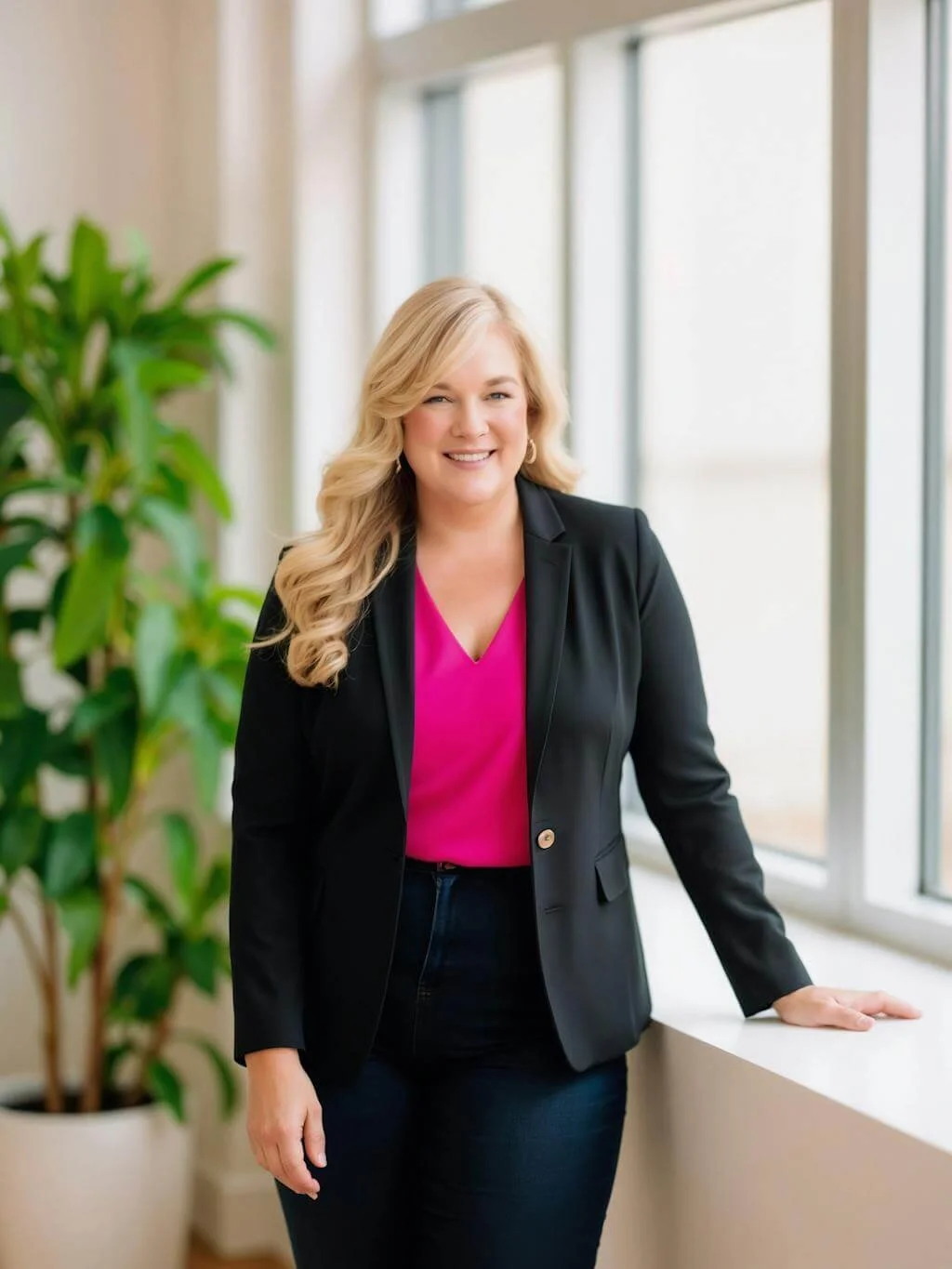
Dr. Destini Copp helps digital product creators build sustainable, systems-based businesses through the Creator Growth Flywheel framework. She's the founder of Creator's MBA and HobbyScool and has been teaching online business strategy for over a decade. Learn more →