

The Buyer Has Already Decided — Is Your Funnel Ready for Them?
Most digital product buyers arrive at your offer already informed. They've read your content, researched the topic, and made up their mind — before they ever hit your sales page. The question is whether your funnel is ready to meet them there, or whether it's still built for a buyer who needs five more nurture emails before they'll commit.

Subscriptions vs. One-Time Digital Products: Which Model Wins for Online Course Creators?
The subscription vs. one-time product debate is one of the most common strategic decisions digital product creators face. Here's what the data actually says — and a clear framework for deciding which revenue model fits where you are right now.
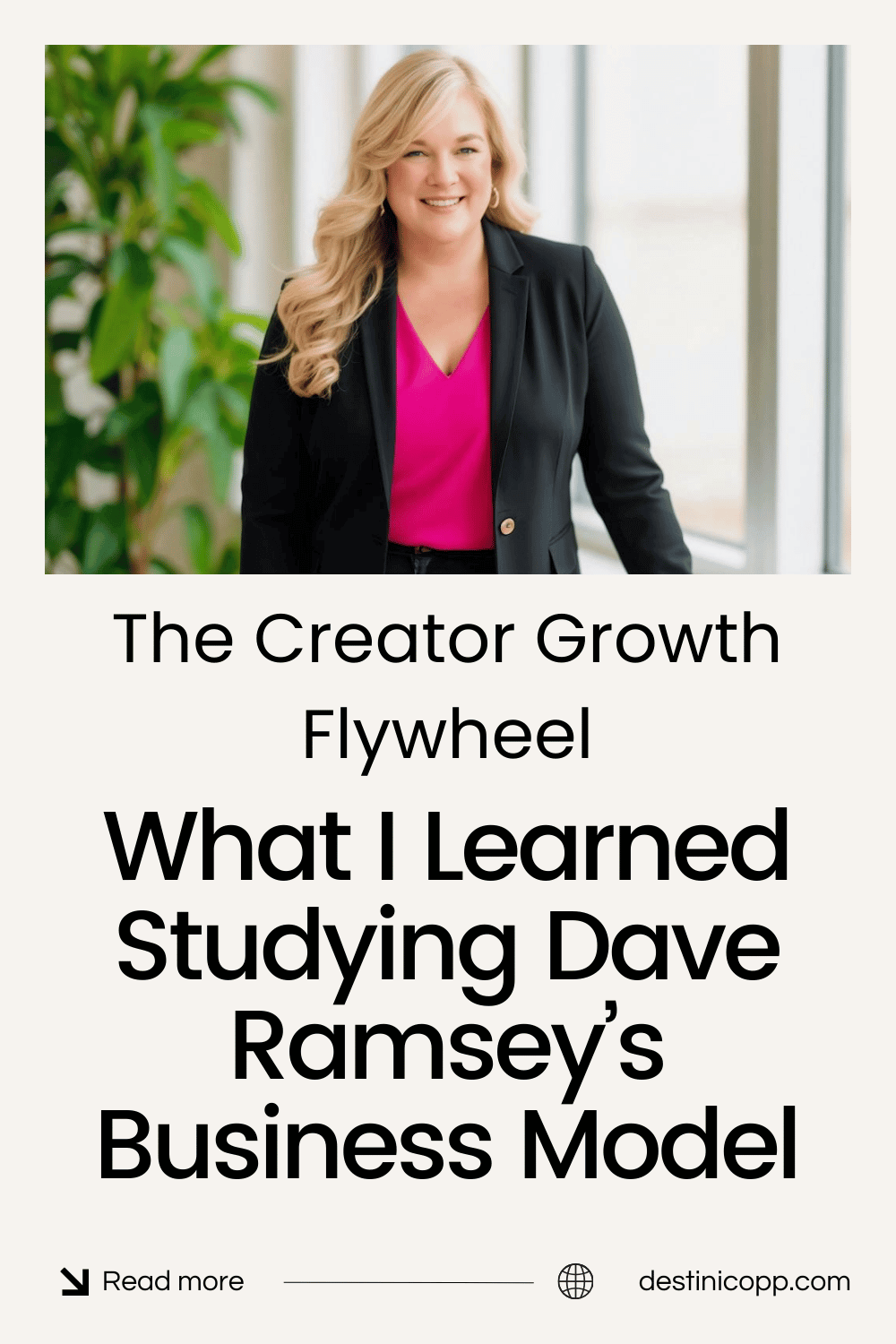
The Creator Growth Flywheel: What I Learned Studying Dave Ramsey’s Business Model
The Creator Growth Flywheel explains how digital creators build predictable revenue through five stages: attract, engage, nurture, retain, and advocate. In this article, I share how studying Dave Ramsey’s business model influenced the way I think about creator growth systems.
And for digital product entrepreneurs, what you don't know to ask is usually the exact thing your revenue depends on.
That's the difference between an AI assistant and an AI mentor. And it's a distinction that most people don't discover until they've already paid for the gap.
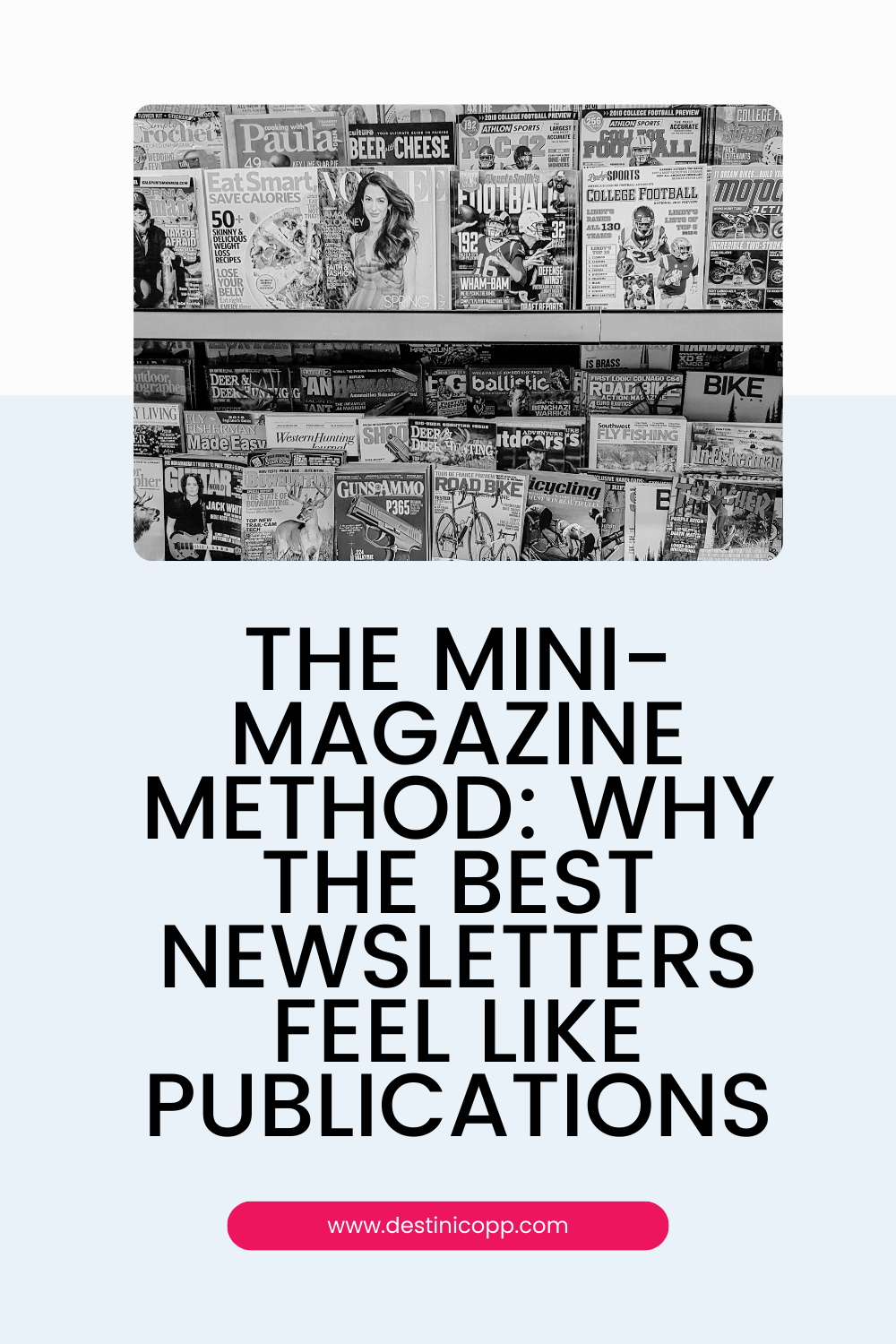
The Mini-Magazine Method: Why the Best Newsletters Feel Like Publications
Most newsletters feel like email blasts.
The best ones feel like publications.
In this article, Destini Copp breaks down the Mini-Magazine Method, a framework for structuring newsletters so readers actually look forward to opening them. Using the All Healthy newsletter as a case study from the New Media Summit, you’ll learn how successful newsletters combine editorial voice, recurring sections, curated insights, and smart sponsorship placement to build loyal audiences — and real revenue.
When AI Sounds Confident and Gets Your Business Wrong
AI is already explaining your business to potential buyers—often confidently, and sometimes incorrectly. This essay explores how AI interpretation drift shows up before the sale, why clarity matters more than optimization, and how I audited AI answers about my own brand to find and fix the gaps.
Shorter excerpt option if your theme trims aggressively:
AI is already answering questions about your business. This post breaks down how AI interpretation drift happens, why it affects buyers, and how to audit what AI is actually saying about you.

Why Experts Don’t Want More Courses (They Want Easier Delivery)
Many experts aren’t resisting growth — they’re resisting delivery models that require constant upkeep.
In this article, I explore why experienced creators don’t want to build more courses, what’s driving the shift toward better delivery systems, and how durability has become the new differentiator in expert-led businesses.

What Makes an AI Clone Trustworthy (and What Breaks Trust)
AI clones don’t fail because they aren’t smart enough — they fail because they aren’t designed with trust in mind.
In this article, I break down what actually makes an AI clone trustworthy, why boundaries matter more than volume, and how most expert-led AI systems lose credibility before they ever provide value.
Where an AI Clone Fits Inside a Membership, Program, or Offer
Once you understand what an AI clone is, the next question is where it actually fits.
In this article, I break down how experts place AI clones inside memberships, programs, and offers — whether as an add-on, a bundled support layer, or a standalone access model — and how to reduce support load without removing care.

The Difference Between Knowing Your Numbers and Leading Your Business
You can name every number in your business and still have no idea what to do next. That gap is not a data problem, and no dashboard is going to close it for you.