
Why Every Opt-In Needs Its Own Welcome Journey
Somebody joins your list from a $9 tripwire page they almost bought from. Somebody else registers for your evergreen webinar. A third person takes your quiz, and a fourth grabs your freebie out of a bundle with forty other contributors in it.
And then all four of them get the same five welcome emails that are all about you.
That's how most lists run, and it's not because anyone decided it should work that way. Your email platform handed you one welcome automation the day you signed up, you wrote it once, and every door into your list has been funneling into it ever since. The sequence isn't bad, it's just answering one question for four people who each walked in asking something different.
The Door They Came Through Sets the Journey
In my own business, people can land on my list from a summit registration, a newsletter opt-in page, a lead magnet, a quiz, an affiliate partner's link, or a low-ticket purchase. Each of those people knows something different about me, wants something different from me, and is a different distance from buying anything.
This is the Engage stage of the Creator Growth Flywheel, which is my name for the gap between someone joining your list and doing the next real thing, whether that next thing is a purchase, a booked call, or just showing up to what they registered for. The whole job of the Engage stage is to close that gap, and you can't close it with one path when people are starting from six different places.
So the real question is what the first 14 days should look like for each door into your list. Let's walk through the doors one at a time.
The Seven Journeys
1. The Tripwire Opt-In
This person saw a paid offer the moment they joined, and most of them said no to it, and that no tells you something. The first emails deliver the freebie and teach around the exact problem the tripwire solves, so the offer starts making more sense with each send. Then the tripwire comes back around, with a reason to act now. And if they did buy, they skip the nurture entirely and move into the buyer journey at the bottom of this list.
Engaged looks like: clicked back to the offer, or bought it
2. The Evergreen Webinar Registration
This person is already inside a journey, and it has a clock on it. They need the confirmation, the show-up emails before the training, the replay after it, and a clear deadline on the offer. The mistake I see most often is dropping these people into the general welcome sequence at the same time, so they're getting "here's my story" emails while their replay window is expiring. Hold the general onboarding until the webinar window closes, and let the event run its course first.
Engaged looks like: watched live or watched the replay
3. The Newsletter Opt-In Page
This person asked for your newsletter itself, which makes them rare and worth taking seriously. Their first email should feel like the best issue you've ever sent, because it sets their expectation for everything that follows. The journey here is about rhythm: get them into the weekly cadence fast, show them what a typical issue gives them, and let your offers show up inside the issues the way they always do. This is where the Teach & Pitch approach carries the whole journey, meaning every issue teaches something real and then connects it to one offer.
Engaged looks like: opening and clicking issues in the first month
4. The Quiz or Assessment
This person handed you data on the way in, and the worst thing you can do with it is send them the same emails as everyone else. The journey speaks to their result: it explains what their answers mean, teaches to the gap the assessment surfaced, and promotes the offer that fits their segment specifically. Someone whose result says their funnel is the problem should hear about your funnel offer, and someone whose result points at their list should hear about your list-building offer.
Engaged looks like: clicked content matched to their result
5. The Summit or Event Registration
This person came for an event, possibly for one specific speaker, and they may barely know whose list they just joined. Before the event, the job is attendance. During the event, the job is getting them into sessions and in front of the upgrade, whether that is a VIP pass or an all-access offer. After the event ends, there is a fork: buyers move into a buyer journey, and everyone else gets a short bridge that introduces you properly and moves them into your regular content. The event brought them in, and the two weeks after it decide whether they stay.
Engaged looks like: attended sessions, or upgraded
6. The Bundle or Collab Freebie
This is the coldest door on the list. They wanted the bundle, and your freebie happened to be in it, so they may not remember your name by the time your first email lands. Pitching this person in week one usually just buys you an unsubscribe. The journey here is introduction first: deliver the freebie, help them get a quick win with it, show them who you are and what you're about, and earn the second open before you ask for anything.
Engaged looks like: a second open or click on your content specifically
7. The Low-Ticket Buyer
The purchase is where this journey starts. The first emails deliver the product and get them actually using it, because a buyer who never opens the thing doesn't become a repeat buyer. Once they have had a win with it, the journey introduces the natural next step in your offer ladder. A $27 buyer who used the product is the warmest person on your entire list, and most sequences treat them like the transaction closed the relationship.
Engaged looks like: used the product
Why Everyone Runs One Sequence Anyway
Seven journeys sounds like a lot of work, and if you tried to build all of them this weekend, it would be. That's exactly why most creators never start. The generic sequence is running, it technically works, and rebuilding the whole system feels like a project with no clear first step.
So don't build all seven. Look at where your subscribers actually come from, find the door that brings in the most people, and build that one journey properly. Let the generic sequence keep catching everyone else while you do it. Then add the next-biggest door when you're ready. Most creators find that two or three journeys cover almost their whole list, because most lists really only have two or three doors that matter.
Can You Just Send One Welcome Email and Move On?
Here is the question I hear most on this: what if you're setting up an opt-in for a bundle or a summit you're contributing to, and you don't have time to build a journey for that one entry point? Can't you just send a welcome email that delivers the thing and drop those people into your regular newsletter sequence?
Not ideal, but yes, you can. A delivered freebie plus your regular weekly rhythm beats a perfect journey you never built, and it beats leaving those subscribers with nothing while you plan something better. If that's what your week allows, do that and move on.
The reason I'd push you one step further is that this got a lot easier recently. With your Kit account connected to Claude through the Kit MCP, Claude can draft the short bridge sequence for that bundle audience and build it in your account for you, tags and all. What used to be an afternoon of writing emails and clicking through automation settings is now one conversation, so the journey that never used to be worth building for a one-off bundle now takes about twenty minutes, and at that point it's usually worth doing.
Map Yours in One Conversation
The first step here is planning, and planning is exactly the kind of job AI is good at. Open Claude and paste this:
The journey mapping prompt
Here are the ways people join my email list [list your entry points: tripwire funnel, webinar registration, newsletter opt-in page, quiz or assessment, lead magnet, bundle contribution, low-ticket purchase] and here is what a new subscriber currently receives [paste your sequence, or if Kit is connected, ask Claude to pull it]. For each entry point, map the 14-day journey: what they should receive, in what order, what action tells me they're engaged, and where the offer belongs. Flag every place where two different entry points are getting the same email and shouldn't be.
What comes back is a journey map per door, and from there the build is mechanical. In Kit, each entry point gets its own form, the form applies a tag, and the tag connects to its own sequence. The tag stays on the subscriber permanently, so six months from now you still know which door every person came through, and you can segment your promotions accordingly.
Build It With Us
This Is the Work We Do Inside Newsletter Profit Club
We just spent a full week inside NPC rebuilding welcome experiences together, and the replay is waiting for you. If you want your journeys built alongside people doing the same work, with me looking at what you build, this is the room for it.
Join Newsletter Profit ClubFAQ
Should I have different welcome sequences for different opt-ins?
Yes, if your opt-ins promise different things. Someone who registered for a webinar and someone who grabbed a freebie from a bundle are in completely different places, and one generic sequence serves neither of them well. You don't need a separate journey for every door on day one. Build the journey for your highest-volume entry point first and let a general sequence catch the rest.
How long should a welcome journey be?
Around 14 days for most entry points. That's long enough to deliver what was promised, build some trust, and present an offer, and short enough that the subscriber still remembers signing up. Event-driven journeys like webinar or summit registrations run on the event's own timeline instead.
What should webinar registrants get instead of a normal welcome sequence?
Webinar registrants are already inside a journey with a clock on it. They need a confirmation, show-up emails before the training, the replay after it, and a clear offer deadline. Dropping them into your general welcome sequence at the same time splits their attention, so hold general onboarding until the webinar window closes.
How do I set up multiple welcome sequences in Kit?
Give each entry point its own form, tag subscribers by the form they came through, and connect each tag to its own sequence. Kit's automations handle the routing, and the tag stays on the subscriber so you always know which door they came through, even months later.
Can I just send one welcome email and put subscribers in my regular sequence?
You can, and it beats doing nothing. Deliver what they signed up for, then let your regular newsletter rhythm carry them. But with Kit connected to Claude through the Kit MCP, Claude can draft and build a short dedicated sequence in your account for you, so a journey that used to take an afternoon now takes about twenty minutes. At that cost, the specific journey is usually worth it.
What happens after the welcome journey ends?
The subscriber moves into your regular newsletter rhythm. Every journey should end at the same place: a subscriber who knows who you are, has taken at least one action, and now receives your weekly content where your offers show up in context.
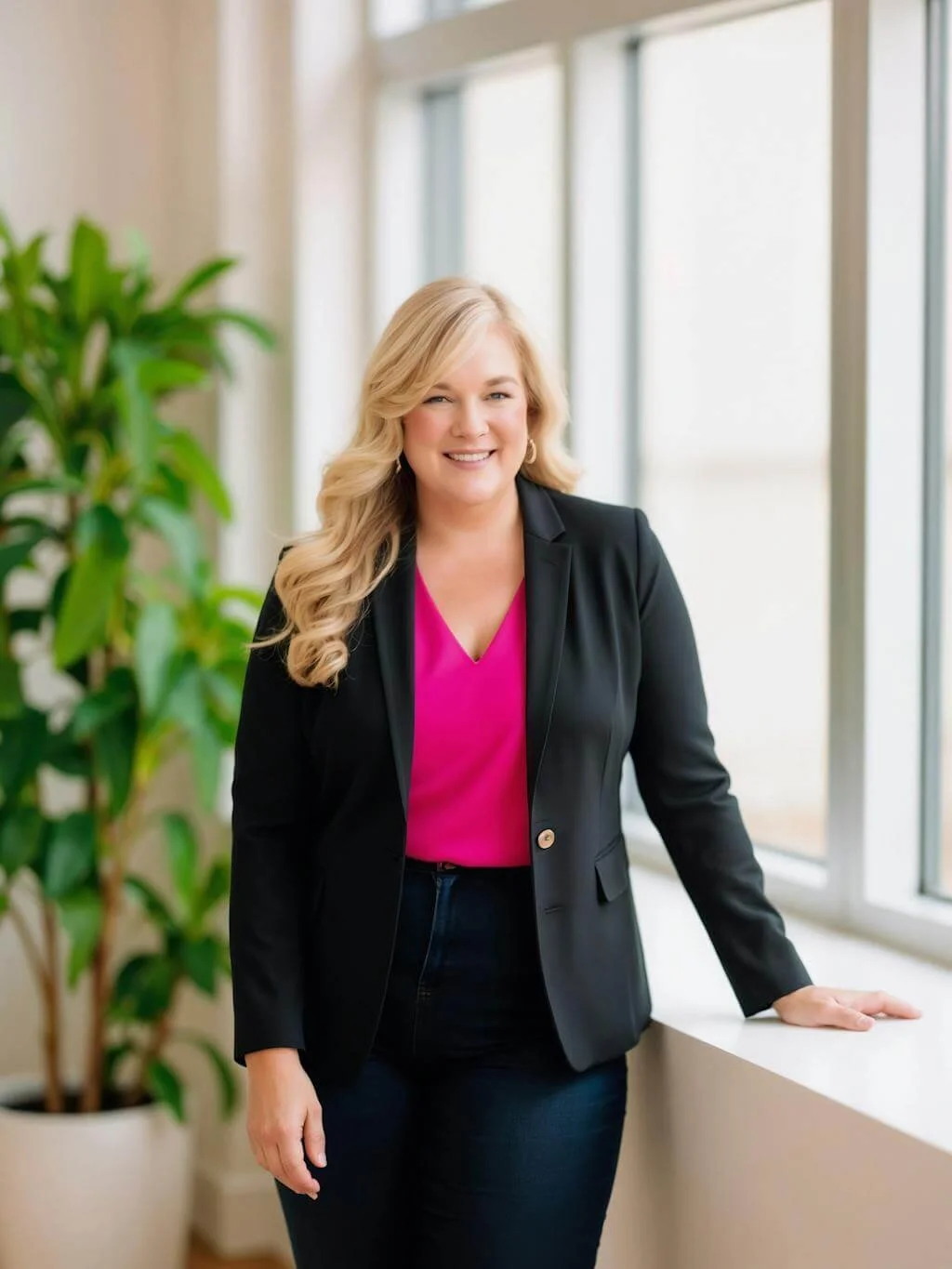
Dr. Destini Copp
Digital Product Strategist · MBA Professor · Podcast Host
Dr. Destini Copp helps digital product creators build sustainable, systems-based businesses through the Creator Growth Flywheel framework. She is the founder of Creator's MBA and HobbyScool, and has been teaching online business strategy for over a decade.