
8 Campaigns to Borrow From Big Retailers
- Big retailers are always running a campaign, and they mix up the type so it doesn't feel like the same pitch every time.
- Eight you can borrow: a named event that comes back, your own made-up holiday, one campaign with several moments, a sale that brings people into your membership, a bring-a-friend pass, a credit toward the next purchase, a campaign for one group and a comeback.
- You don't need all eight. Start with two to four big named events a year and fill the months in between.
- Every campaign should still lead to your signature offer.
In the last post, I made the case for running campaigns all year instead of betting everything on a few big launches. The next question is always the same, which is what you're supposed to run in all those months.
So I looked at what Target, Amazon, Starbucks, Sephora and Apple actually ran over the last year. Each of them had a few big moments, but most of their calendar was made up of different kinds of campaigns, and almost every one of them works for a digital product business.
Here are eight of them, with what the retailer did, your version, and one small thing you can do this week.
Eight campaigns to borrow.
A named event that comes back
Target runs an event called Target Circle Week, and in 2025 it ran three times. There was one in March, one in July for back-to-school shopping, and one in October for fall and early holiday gifts. Same name every time, with a different season behind it.
Your version is one event with a name, like a Get It Done Week or a Members Open House, that you run two or three times a year. After the first couple, people start watching for it.
Your own made-up holiday
Prime Day didn't exist until Amazon made it up. This year Amazon moved it to June 23 through 26 so it wouldn't compete with the World Cup and the Fourth of July, and those four days brought in $26.4 billion in online spending across U.S. retailers.
You can do the same thing in a slow month. Pick a date that makes sense for your audience, give it a name, and make it members-only or give members first access.
One campaign with several moments
Starbucks announced its 2025 holiday lineup on October 6, launched it on November 6, and held Red Cup Day a week later. Two more drinks came back on December 2, and then the holiday game gave away the Bearista cups that had sold out. That's five reasons to pay attention inside one season.
Your campaign can work the same way, with an announcement, an open day, a special day in the middle, a second drop and a closing giveaway.
A sale that brings people into your membership
During Target Circle Week in October 2025, anyone who spent $199 or more got a free year of Circle 360, Target's paid membership. The sale itself was signing people up for the membership.
Your version is buy the VIP pass, the workshop or the bundle during your campaign and get a month of your membership free. It's one of the easiest ways to move buyers toward your signature offer.
A bring-a-friend pass
During Sephora's holiday Savings Event, its top-tier Rouge members could invite one friend to shop early with their 20% discount. Sephora's best customers brought in new customers for them.
You can give your members or past buyers one guest pass to a live event, or one friend price during a campaign. The people who already love your work usually know other people like them.
A credit toward the next purchase
Apple doesn't cut its prices for Black Friday. In 2025 it gave an Apple gift card with certain products, emailed after the purchase so it could only be used on the next one, and the newest products weren't part of the promotion at all.
Your version is buy the membership and get a credit toward a VIP day or your next workshop. Your signature offer stays at full price, and the bonus brings people back to buy again.
A campaign for one group
Every summer Apple runs a campaign just for college students. In 2025 it ran from June 17 through September 30, and this year Apple gave gift cards up to $150 with Macs and iPads bought through its education store.
You can build a campaign for one group on your list, like brand-new creators, teachers, people who bought your low-priced offer last quarter or members on your monthly plan.
The comeback
Starbucks took the Eggnog Latte off its menu in 2021, and fans ran a campaign asking for it back. It returned in 2025 as part of the holiday lineup.
If people keep asking about an old workshop, a replay or a bundle you retired, bringing it back for a short window is a campaign all by itself. You already have the product, so it's one of the fastest ones to put together.
How to mix them so it's always something different.
You don't need all eight. Start with two to four big named events a year, like a spring event, your own holiday in the summer and a holiday season campaign in the fall. Then fill the months in between with smaller campaigns from this list or from the fun campaign ideas post.
Try not to run the same type twice in a row. If last month was a members event, this month could be a comeback or a game, and next month could be a campaign for one group on your list.
Run one main promotion at a time, and make sure every campaign still leads to your signature offer, the one most of your buyers should end up in.
The Q4 Campaign Planner is a free Claude skill that asks about everything you sell and give away, names your signature offer, and maps how everything leads to it.
Then it plans one campaign each for October, November and December, with a starting pick for Black Friday. Get the free skill →
Start with the holiday season.
If you're going to try this for the first time, the holiday season is the easiest place to start, because people already expect to hear about offers from October through December. A few of these campaigns fit right into it, like a bring-a-friend pass during early access, a credit toward your next offer on Black Friday, or a comeback in December.
Plan your whole holiday season with me
In the Black Friday Profit Party, we take the playbook from the big retailers and plan your full season, from November 1 through the new year. It's included in Newsletter Profit Club, and the replay is inside the membership after October 28.
Join Newsletter Profit Club →Frequently asked.
What campaigns can a digital product business borrow from big retailers?
Eight that work well are a named event that comes back every year, your own made-up holiday, one campaign with several moments inside it, a sale that brings people into your membership, a bring-a-friend pass, a credit toward the next purchase, a campaign for one group and bringing back a retired favorite.
How do I create my own shopping event like Prime Day?
Pick a slow month, choose dates that fit your audience's calendar, give the event a name, and make it members-only or give members first access. Then run it again next year so people start watching for it.
How can I get people to join my membership during a sale?
Add a free month of your membership to a paid event, bundle or workshop during the campaign, the way Target gave a free year of its paid membership to shoppers who spent $199 during Target Circle Week.
How do I promote without discounting my digital products?
Give a credit toward the next purchase, a bonus, early access or a guest pass for a friend. Apple doesn't cut its prices for Black Friday and gives a gift card that can only be used on the next purchase.
How many of these campaigns should I run?
You don't need all eight. Start with two to four big named events a year and fill the months in between with smaller campaigns, running one main promotion at a time.
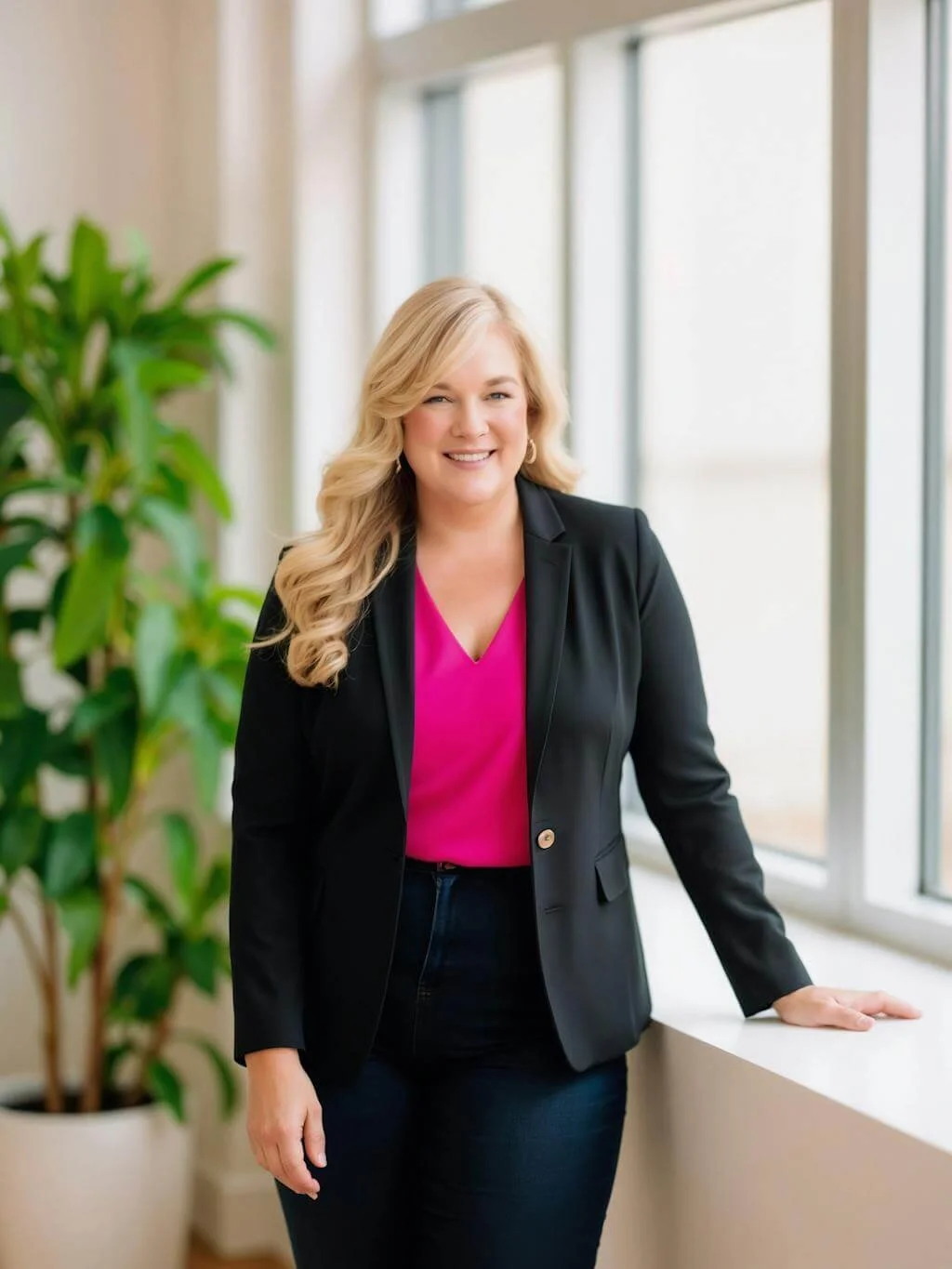
Dr. Destini Copp helps digital product creators build sustainable, systems-based businesses through the Creator Growth Flywheel framework. She's the founder of Creator's MBA and HobbyScool, and has been teaching online business strategy for over a decade. Learn more →