
How Much Should You Spend on Facebook Ads When You’re Starting Out?
This post includes my affiliate link for EverAds. If you sign up through it, I earn a commission at no extra cost to you.
"How much should I spend?" is the question that stops a lot of people from ever running their first ad. You don't want to waste money, and you also don't want to spend so little that you can't tell whether ads work at all.
This is the last article in my series on paid ads. In the third article, I walked through how I set up my ads with a free thing, a tripwire and a campaign optimized for purchases. Now let's talk about the daily budget, with what EverAds recommends, the rule of thumb I use and the math behind why more budget helps.
What EverAds recommends
When I set up the ads for my HobbyScool Elves' Workshop summit in EverAds, I picked the campaign template for giving away a freebie and then selling something, and it showed a starting budget right on the screen. It said a good starting daily budget is about one to three times your tripwire price, and it suggests two and a half times. It also said that if your tripwire is cheap, even one times the price is a fine first test.
That lines up with how I've always thought about it. My rule of thumb has been about three times the price of your tripwire, so EverAds' suggestion sits right next to mine.
EverAds suggests about 2.5 × your tripwire price, with a range of 1 to 3 times. A $20 tripwire means about $50 a day. A $27 tripwire means about $68 a day. A $47 tripwire means about $118 a day.
It ties your budget to what you're selling, and that's why I like it. A higher-priced tripwire means each sale makes back more of your spend, so it makes sense to give the campaign a bit more room.
Why I started my summit at $350 a day
For the Elves' Workshop summit, I started at $350 a day. That's a lot more than you need when you're starting out. I can start there because this is about the fourth year we've run this event and I have a pretty good idea of how it converts. When you're running your first campaign, start with the 1 to 3 times range and raise the budget once you see sales coming in.
This is a starting guide. Your numbers will depend on your offer, your ads and your audience, and the right budget for you might be a little higher or lower once you see how your campaign does.
Why more budget helps: the learning phase
When you launch a new campaign, Facebook goes through what's called the learning phase. That's the time it spends figuring out who responds to your ads. During this stretch, results tend to bounce around and your costs can look higher than they'll end up.
The rule most people go by is that Facebook wants about 50 results a week to finish learning. Since I optimize for purchases, that means about 50 purchases a week. Ads expert Jon Loomer points out that 50 isn't a strict number, and he's seen campaigns get through learning with as few as 10, but 50 is the common target people plan around.
The 50-purchases math
Here's the formula people use to size a budget for the learning phase:
Your cost per purchase × 50, divided by 7 = your daily budget.
So if each $20 tripwire sale costs you about $20 in ads, that's $20 × 50 = $1,000 a week, or about $143 a day. You can see why this number gets big fast, especially for a beginner.
That's where the 1 to 3 times range sits. It's lower than the full learning phase math, so your campaign may take longer to finish learning and Facebook may mark it "learning limited" for a while. That's okay, and you can raise the budget once you see sales coming in.
What Meta recommends
Meta has its own guideline for one specific setting. If you use the bid strategy where you tell Facebook the cost you're aiming for, Meta recommends a daily budget of at least five times that target. So a $20 target cost would mean at least $100 a day.
Most beginners don't need that setting. If you're using the regular settings and letting Facebook spend your budget, the 1 to 3 times range is a fine place to start.
The bare minimum
For campaigns optimized for conversions, like purchases or signups, a common minimum you'll see is $10 to $20 a day. Below that, Facebook doesn't get enough results to learn much, and it's hard to tell whether your ads are working.
If $10 to $20 a day is all you can do right now, you can still start. Just know it'll take longer to see what's working, so give it more time before you decide anything.
Bare minimum
About $10 to $20 a day for a conversion campaign. It works, but it's slow to learn.
The recommended starting point
About 2.5 times your tripwire price per day, with a range of 1 to 3 times. For a $20 tripwire, that's about $50 a day.
Full learning phase budget
Your cost per purchase × 50, divided by 7. For a $20 cost per purchase, that's about $143 a day.
Why the tripwire makes this less scary
A $50 a day budget sounds like a lot if every dollar is gone the minute you spend it. But with a tripwire in place, some of the people coming in buy right away, and those sales make back part of what you spent.
That's why I don't recommend running ads without something to buy behind your free thing. If your ads only bring in signups, you're paying the full cost and waiting for those people to buy later. With a tripwire, the money starts coming back in the first few days.
Plan your budget for the whole test
A daily number is easier to think about, but it helps to know what the whole test will cost before you start. Facebook needs some time to learn, so I'd plan for at least a week before you decide whether a campaign is working.
Here's what that looks like at 2.5 times your tripwire price:
- $20 tripwire: about $50 a day, or about $350 for a week
- $27 tripwire: about $68 a day, or about $476 for a week
- $47 tripwire: about $118 a day, or about $826 for a week
Those are the amounts you'd spend before tripwire sales come back in. Once people start buying, every sale makes back part of that spend, so the real cost of the test ends up lower.
If the weekly number feels like too much right now, it's fine to start lower and give the campaign more time. Just pick an amount you're comfortable spending for a full week without checking your bank account every hour, because the worst thing you can do is turn the campaign off on day two before Facebook has had a chance to learn.
What to track during the test
Keep an eye on three numbers: how much you've spent, how many people bought your tripwire and how many people joined your email list. Those three tell you whether the ads are paying for themselves and how fast your list is growing. Claude can pull your spend and purchases through the Meta Ads connector, and your email platform shows your new subscribers.
What to do once it's running
Leave it alone at first
Changing your budget or your ads every day restarts a lot of what Facebook has learned. I usually put my campaign up and leave it alone, and I only think about scaling it once I can see it's doing well.
Check in with Claude
I use the Meta Ads connector in Claude to check on my campaigns. You can ask it how your campaign is doing, what your cost per purchase is and which ads people are responding to, and it'll talk you through it in plain words.
Raise the budget slowly
When you see purchases coming in at a cost you're happy with, raise the budget a little at a time. That way the campaign keeps what it learned, and you can see whether your results hold up at the higher spend.
Use the suggestion in your ad tool
If you build your campaign in EverAds, the budget suggestion shows up right when you set up the campaign, so you don't have to work out the math yourself. You can change it to fit what you're comfortable spending.
Want to read the rest of the series? Start with why organic social isn't enough anymore.
Budget guidance from EverAds' freebie-then-sell campaign template (October 2026). Learning phase and Meta guidelines: Jon Loomer, How to Determine Your Facebook Ads Budget and Cropink, Minimum Budget for Facebook Ads.
- Why Organic Social Isn't Enough to Grow Your Business Anymore
- What Changed With Facebook Ads and Why They're Easier Now
- How to Set Up Facebook Ads That Pay for Themselves
- How I Make 50+ Facebook Ads Without a Designer
- How Much Should You Spend on Facebook Ads When You're Starting Out? (you’re here)
Get your first campaign set up in EverAds
It suggests a starting daily budget when you set up your campaign. Try it free for 7 days with 50 free credits.
Start your free EverAds trial →Frequently asked.
How much should a beginner spend on Facebook ads per day?
EverAds recommends a starting daily budget of about 1 to 3 times your tripwire price and suggests 2.5 times. If your tripwire is $20, that's about $50 a day. A common bare minimum for a conversion campaign is $10 to $20 a day.
What is the Facebook ads learning phase?
It's the time Facebook spends figuring out who responds to your new campaign. The common target is about 50 results a week, like 50 purchases, to finish learning.
How do I calculate a Facebook ads budget for the learning phase?
Multiply your cost per purchase by 50 and divide by 7. If each purchase costs about $20, that's about $143 a day.
What does learning limited mean on Facebook ads?
It means your campaign isn't getting enough results each week to finish the learning phase. It can still work. It just learns more slowly, and you can raise the budget once you see sales.
Should I change my Facebook ads budget every day?
No. Changing things every day restarts a lot of what Facebook has learned. Leave the campaign alone at first, then raise the budget slowly once you see purchases coming in.
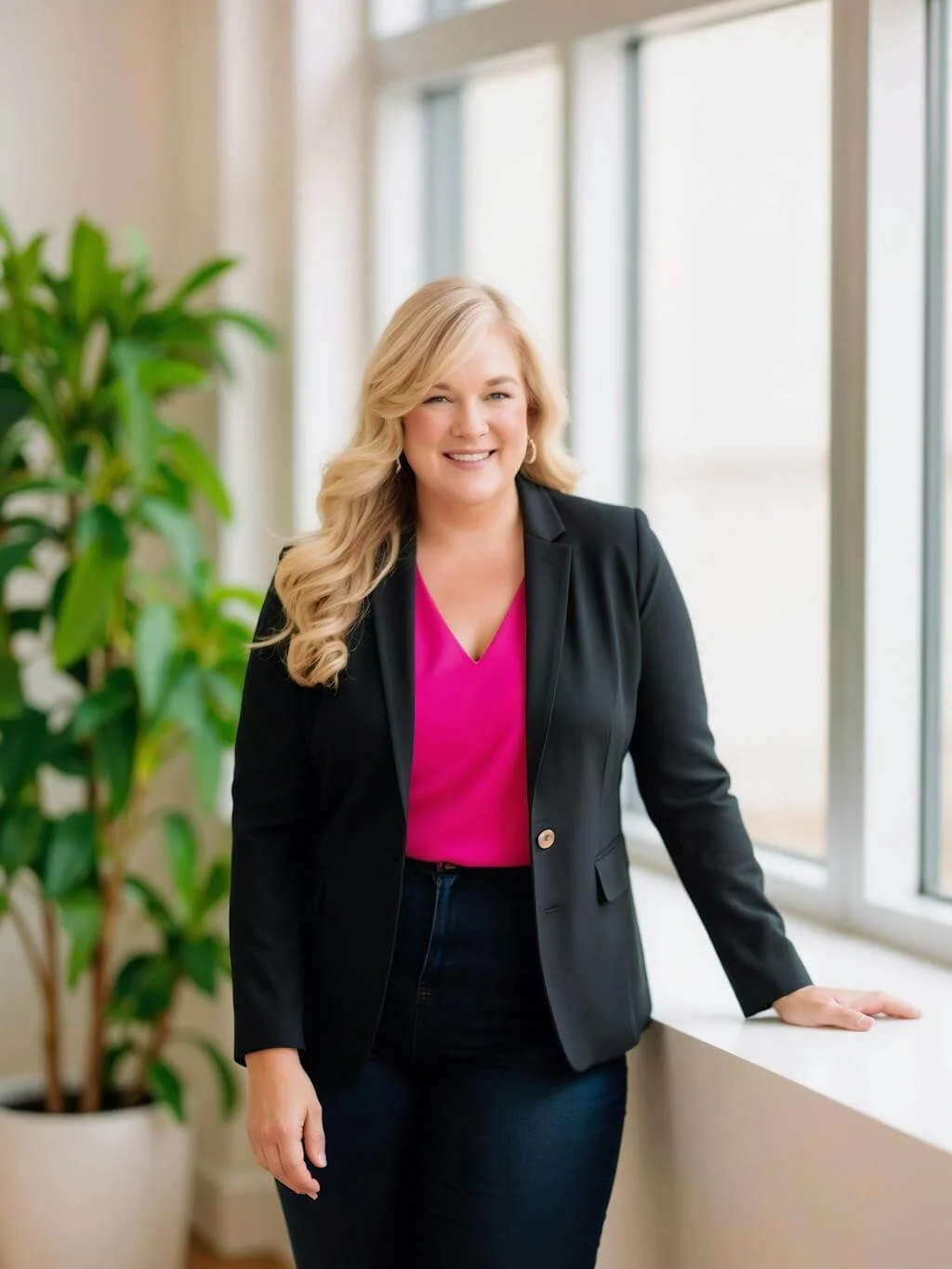
Dr. Destini Copp helps digital product creators build sustainable, systems-based businesses through the Creator Growth Flywheel framework. She's the founder of Creator's MBA and HobbyScool, and has been teaching online business strategy for over a decade. Learn more →