
Why Organic Social Isn’t Enough to Grow Your Business Anymore
This post includes my affiliate link for EverAds. If you sign up through it, I earn a commission at no extra cost to you.
If you've been posting on social media every day and your sales haven't moved, I want you to hear this first: it's not because your content is bad. Social media is pay to play now, and that's just the reality of it.
I've run paid ads off and on for years, and I'll be honest, I don't think it's possible anymore to grow a business and make real revenue by posting and hoping people find you. You can still get in front of new people, but you have to pick how you're going to do it, and there are really only two ways that work.
This is the first article in a five-part series on paid ads. I'm going to walk you through why I think ads matter so much right now, what changed in the past six months, how I set my ads up so they pay for themselves, how I make 50+ ads without a designer and what to spend when you're starting out.
Social media is pay to play.
When you post on Facebook or Instagram, only a small slice of your followers ever sees it, and people who don't follow you yet almost never do. The platforms make their money from ads, so the easiest way to get in front of people who've never heard of you is to pay for it.
That doesn't mean posting is a waste of time. Your posts still matter for the people who already know you, because they see what you're working on and they get to know you better. But if you're counting on organic posts to bring brand new people onto your email list every week, that's the part that doesn't work the way it used to.
And new people matter more than most of us think. The people who buy from you are often people who just found you, so if no new people are coming in, sales slow down even when your current list loves you.
The two ways to get in front of new people
When I look at my own business and the businesses I work with, there are two ways people are actually growing their lists right now.
Collaborations
Speaking at summits, getting into bundles, guest spots on podcasts, newsletter swaps and running your own events with other people. Someone else shares you with their audience and their people come over to your list.
This definitely works, and I still put a lot of time, energy and effort here. The cost is your time, because collaborations take a lot of planning, outreach and follow-up.
Paid ads
You pay Facebook and Instagram to show your free thing to people who are likely to want it. When it's set up well, new people come onto your list every day without you doing outreach.
The cost is money. But when you set your ads up the way I'll show you in this series, the ads can make a lot of that money back on their own.
You can grow with either one, and I do both. Collaborations bring in a burst of people around each event, and ads keep people coming in every single day in between.
Why so many people gave up on ads
If you tried Facebook ads a few years ago and lost money, you're not alone. In the past, ads were really hard to figure out. You had to decide who to target, pick interests and age ranges, set up a bunch of settings in Ads Manager and then guess why nothing was working.
Most of us aren't media buyers, so we'd spend a few hundred dollars, get a handful of signups that never bought anything and decide ads weren't for us.
What I want you to know is that things have changed so much just in the past six months. You don't have to figure out targeting anymore, and the setup that used to take hours can now happen with the click of a button.
"Things have changed so much just in the past six months with paid ads, and they're so easy to do nowadays."
Dr. Destini CoppWhat changed, in plain words
I go into this in detail in the next article, but here's the short version. Facebook now finds the right people for you, and it does that by looking at your ads themselves. Your images and the words on them do most of the work, and your ad copy helps Facebook understand who the ad is for.
So instead of guessing at targeting, your job is to make a lot of different ad images with different hooks and messages. That's where a tool like EverAds comes in. It helps you figure out your angles, build your ads and then loads them into your Meta account for you, so you're not clicking through Ads Manager trying to set everything up by hand.
That's why I'm comfortable telling a complete beginner to try ads now. It's also why I think people who tried before and didn't get results should give it another look.
What you need before you run a single ad
Ads work best when there's something waiting for people on the other side. Before you spend anything, you want two pieces in place.
A free thing to bring people in
This is what your ad sends people to. It might be a free summit, a lead magnet, a webinar or a free workshop. It's what gets someone onto your email list.
A low-priced offer right after they sign up
This is often called a tripwire. It's a small paid offer people see right after they sign up for your free thing, usually somewhere in the $19 to $47 range. When people buy it, you make some of your ad money back right away.
I used to run ads optimized for leads, thinking I'd get cheap signups, nurture them and they'd eventually buy from me. That didn't happen. When I started optimizing for purchases with a tripwire in place, Facebook found people who actually buy, and my revenue started growing. I walk through exactly how I set this up in article three.
Do you have to choose between collaborations and ads?
You don't. If you're just starting out and money is tight, collaborations are a great place to start because they cost you time instead of money.
But at some point, most people hit a wall where they can't fit any more collaborations into their week. That's usually when ads start to make a lot of sense, because they keep bringing new people in even when you're busy with everything else.
And the two help each other. When you speak at a summit, the people who see you there might see your ad later and recognize you. When someone finds you through an ad, they might later see you in a bundle and decide to buy. Being in front of people in more than one place builds trust faster.
Who this series is for
I'm writing this for two kinds of people. The first is the person who's never run an ad and feels like it's too complicated or too risky. The second is the person who tried ads before, didn't get results and decided ads don't work for their business.
If you're either one, here's what's coming up in the rest of the series:
- What changed with Facebook ads and why the images do most of the work now.
- How to set up ads that pay for themselves with a free thing, a tripwire and campaigns optimized for purchases.
- How I make 50+ ads without a designer using Claude, ChatGPT and EverAds, plus a video of me setting up a real campaign.
- What to spend when you're starting out and how I think about my daily budget.
Where to start this week
If you don't have a free thing yet, start there, because there's nothing to send ad traffic to without it. If you already have one, look at what people can buy right after they sign up. If the answer is nothing, that's the next piece to build.
Once those two are in place, you're ready to start testing ads. EverAds has a 7-day free trial with 50 free credits, and every account gets their free community, which has step-by-step training and a weekly live lab for setting up your Meta business page, ad account and pixel. That way you can get your accounts set up right before you spend a dollar on ads.
- Why Organic Social Isn't Enough to Grow Your Business Anymore (you’re here)
- What Changed With Facebook Ads and Why They're Easier Now
- How to Set Up Facebook Ads That Pay for Themselves
- How I Make 50+ Facebook Ads Without a Designer
- How Much Should You Spend on Facebook Ads When You're Starting Out?
Try EverAds free for 7 days
It's the tool I use to build and launch my Facebook ads. You get 50 free credits to build your first ads, and their free community walks you through setting up your Meta ad account.
Start your free EverAds trial →Frequently asked.
Can you still grow an online business with organic social media?
You can grow some, but it's slow. Social media is pay to play now, so organic posts mostly reach people who already follow you. To get in front of new people, you need collaborations, paid ads or both.
Are Facebook ads worth it for course creators and coaches?
They can be, as long as you have a free thing to send people to and a low-priced offer behind it. That way the ads can make some of their money back while your email list grows.
What's the difference between growing with collaborations and growing with ads?
Collaborations, like summits, bundles and podcast guest spots, cost you time. Ads cost you money. Both work, and a lot of people use collaborations first and add ads once they run out of time for more collaborations.
I tried Facebook ads before and they didn't work. Should I try again?
I think so. A lot has changed in the past six months. You don't have to pick your targeting anymore, and tools like EverAds build your ads and load them into Meta for you, so it's much easier to get started.
What do I need in place before I run Facebook ads?
A free thing to bring people onto your list, like a lead magnet, free summit or webinar, and a low-priced offer they see right after they sign up so the ads can start paying for themselves.
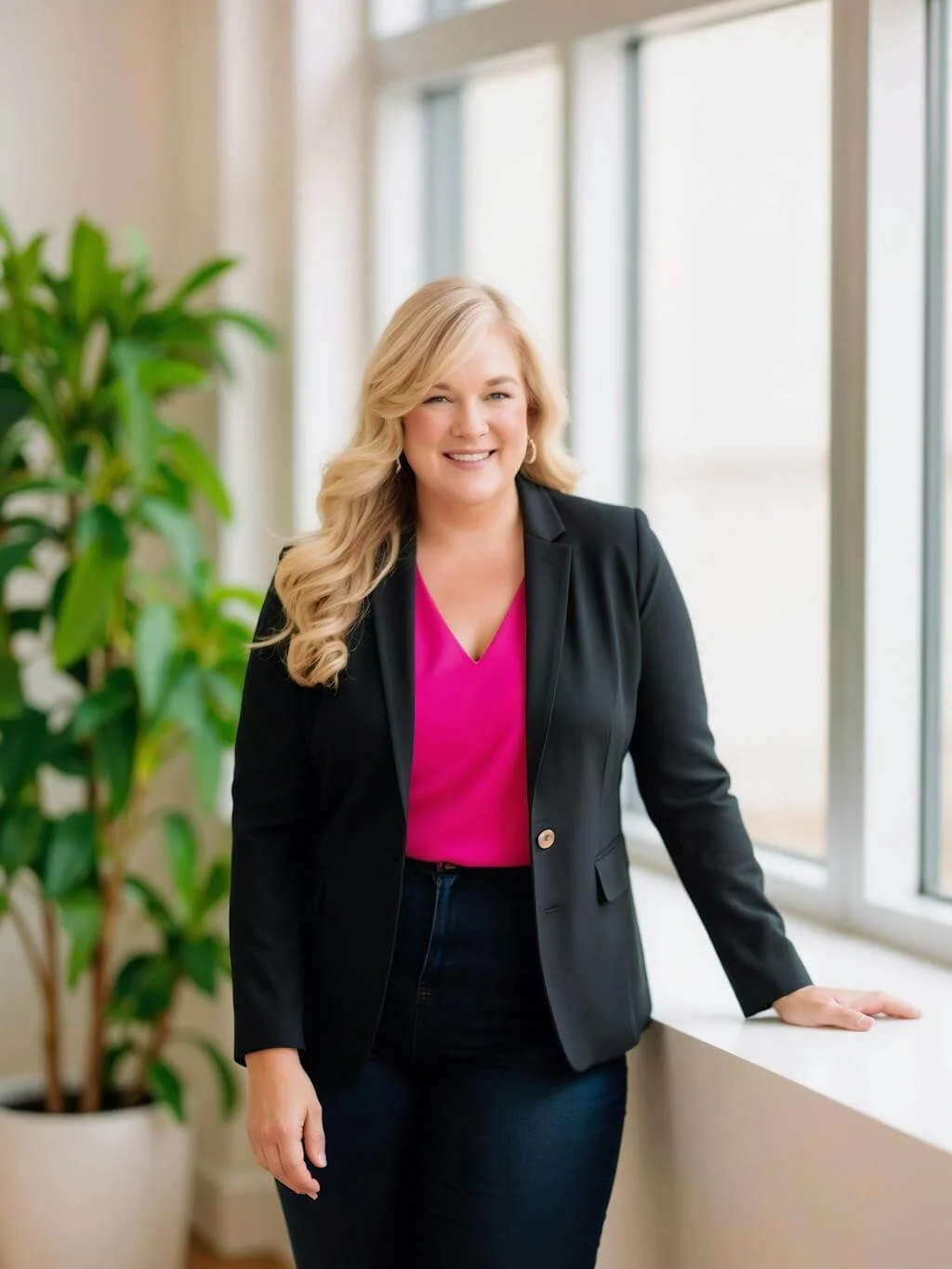
Dr. Destini Copp helps digital product creators build sustainable, systems-based businesses through the Creator Growth Flywheel framework. She's the founder of Creator's MBA and HobbyScool, and has been teaching online business strategy for over a decade. Learn more →