
What Changed With Facebook Ads and Why They’re Easier Now
This post includes my affiliate link for EverAds. If you sign up through it, I earn a commission at no extra cost to you.
A few years ago, the hardest part of running Facebook ads was figuring out who to show them to. You'd sit in Ads Manager picking interests, ages and locations, then cross your fingers and hope you got it right. Most of us didn't, and that's a big reason so many creators gave up on ads.
That part is gone now. In the past six months, the way Facebook ads work has changed so much that you don't have to do any targeting at all. You put up your ads and Facebook figures out who should see them.
This is the second article in my series on paid ads. In the first one, I talked about why social media is pay to play now. In this one, I want to explain what changed and what your job looks like now that targeting is off your plate.
How ads used to work
In the past, you had to tell Facebook exactly who your ad was for. If you sold a course to coaches, you'd try to target people interested in coaching, maybe people who followed certain business pages, maybe a certain age range. Then you'd test a few different audiences to see which one worked.
The problem was that most of us were guessing. We aren't media buyers, so we'd set up a few audiences, spend a few hundred dollars and never really know why one worked and another didn't. On top of that, setting up campaigns in Ads Manager took a long time and it was easy to get a setting wrong.
How ads work now.
Now you don't go out and say "I'm going to try targeting this type of person" or "let me test these interests." You don't have to do any of that. Facebook looks at your ad and finds the people who are most likely to respond to it.
So what does Facebook look at? Mostly two things.
Your ad images
A lot of it comes down to the images. Having a lot of different hooks, different images and different messaging on the images is what helps Facebook find the right person. Each image gives Facebook another way to reach a slightly different group of people, so the more variety you give it, the better it gets at finding your buyers.
Your ad copy
Your ad copy is the text that shows above or below the image. It helps Facebook understand who the ad is for. So I like to call out the type of people who'd be interested in what I'm offering right in the copy.
For example, a lot of my ads go out to course creators, membership owners and coaches. I don't want them going to people who sell physical products, so I'm very specific in my copy about who I'm talking to. That one change tells Facebook a lot about who to show the ad to.
Your job used to be picking the right audience. Now your job is making lots of good ads with different hooks and messages, and being clear in your copy about who the ad is for. Facebook does the rest.
What this means for you
Since Facebook handles the targeting, the work moves to your ads. Here's what I'd focus on.
Make a lot of ad images
I like to have 50 or more images in a campaign. That sounds like a lot, but each one is a different way in, and Facebook needs that variety to find the people who respond.
Test different hooks and angles
An angle is the reason someone would care about your offer. One person wants more time, another wants their first sale and another wants to stop guessing. Give each angle its own images and headlines.
Call out who it's for in your copy
Name the people you want, like course creators, membership owners or coaches. This helps Facebook skip the people who aren't a fit.
Let Facebook find the winners
Once the campaign is running, Facebook shows the ads people respond to more often. You don't have to pick winners by hand on day one.
A small trick I use in my ad copy
Sometimes I give people a heads-up in the ad copy about what they'll see after they sign up. For a free event, I might say that after they register, they'll see an offer to get lifetime access to the workshops and the premium speaker bonuses, that it's completely optional and that a lot of people take us up on it.
That way nobody is surprised by the offer, and the people who click already know there's something they can buy. Since I optimize my campaigns for purchases, that's exactly the kind of person I want clicking.
Setting up ads is easier too
Targeting wasn't the only hard part. Setting up campaigns in Ads Manager used to take forever, and making 50 different ads by hand would take days.
This is where EverAds has made a big difference for me. You give it your sales page and it helps you find your buying personas, which are the different types of people who'd buy from you, along with the beliefs and problems each one has. It writes ad copy for each one, builds your ads and then loads everything into your Meta account for you. You can publish 50 or more ads with the click of a button, and you never have to build them one at a time in Ads Manager.
It also has goal-based templates, so you pick what you're trying to do, like fill a workshop or sell a course, and it sets up the campaign settings for you.
Launch it and let Facebook figure it out.
A lot of times, like when I'm running ads for a summit, I just put the campaign up and leave it alone. Sometimes I'll scale it up if it's doing well. But I don't go in every day and change things.
Facebook goes in there and figures out which angle people are actually responding to. Once you know which angle people respond to, you can take that information and put it on your sales page too.
"Once you get that kind of data, you can figure out which angle people are responding to and put it on your sales page."
Dr. Destini CoppHow I check on my ads
When I want to see how a campaign is doing, I use the Meta Ads connector in Claude. Once it's connected, Claude can go into your ad account and talk through your campaigns with you, like what's working and what isn't. You can ask it plain questions and get plain answers, which is a lot easier than digging through Ads Manager reports.
What to do next
If you've stayed away from ads because targeting felt confusing, that's not something you have to figure out anymore. Your job is to make lots of ads with different hooks and messages, be clear about who they're for and give Facebook room to do its part.
In the next article, I'll walk you through how I set up my ads so they pay for themselves, including why I optimize for purchases instead of leads.
- Why Organic Social Isn't Enough to Grow Your Business Anymore
- What Changed With Facebook Ads and Why They're Easier Now (you’re here)
- How to Set Up Facebook Ads That Pay for Themselves
- How I Make 50+ Facebook Ads Without a Designer
- How Much Should You Spend on Facebook Ads When You're Starting Out?
Let EverAds build your ads for you
EverAds finds your angles, writes your copy and loads your ads into Meta. Start with a 7-day free trial and 50 free credits.
Start your free EverAds trial →Frequently asked.
Do I still need to pick targeting for Facebook ads?
No. Facebook now finds the right people for you by looking at your ad images and your ad copy. Your job is to make lots of ads with different hooks and be clear in your copy about who the ad is for.
What matters most in a Facebook ad now?
The image. Having lots of different images with different hooks and messages gives Facebook more ways to find the right people. The ad copy helps Facebook understand who the ad is for.
How many ads should I run in one campaign?
I like to have 50 or more images in a campaign. Each one is a different way in, and that variety helps Facebook find the people who respond.
How do I tell Facebook who my ad is for without targeting?
Call out the people you want in your ad copy. Mine name course creators, membership owners and coaches, because I don't want my ads going to people who sell physical products.
Can AI help me check how my Facebook ads are doing?
Yes. I use the Meta Ads connector in Claude. Once it's connected, Claude can look at your campaigns with you and talk through what's working and what isn't.
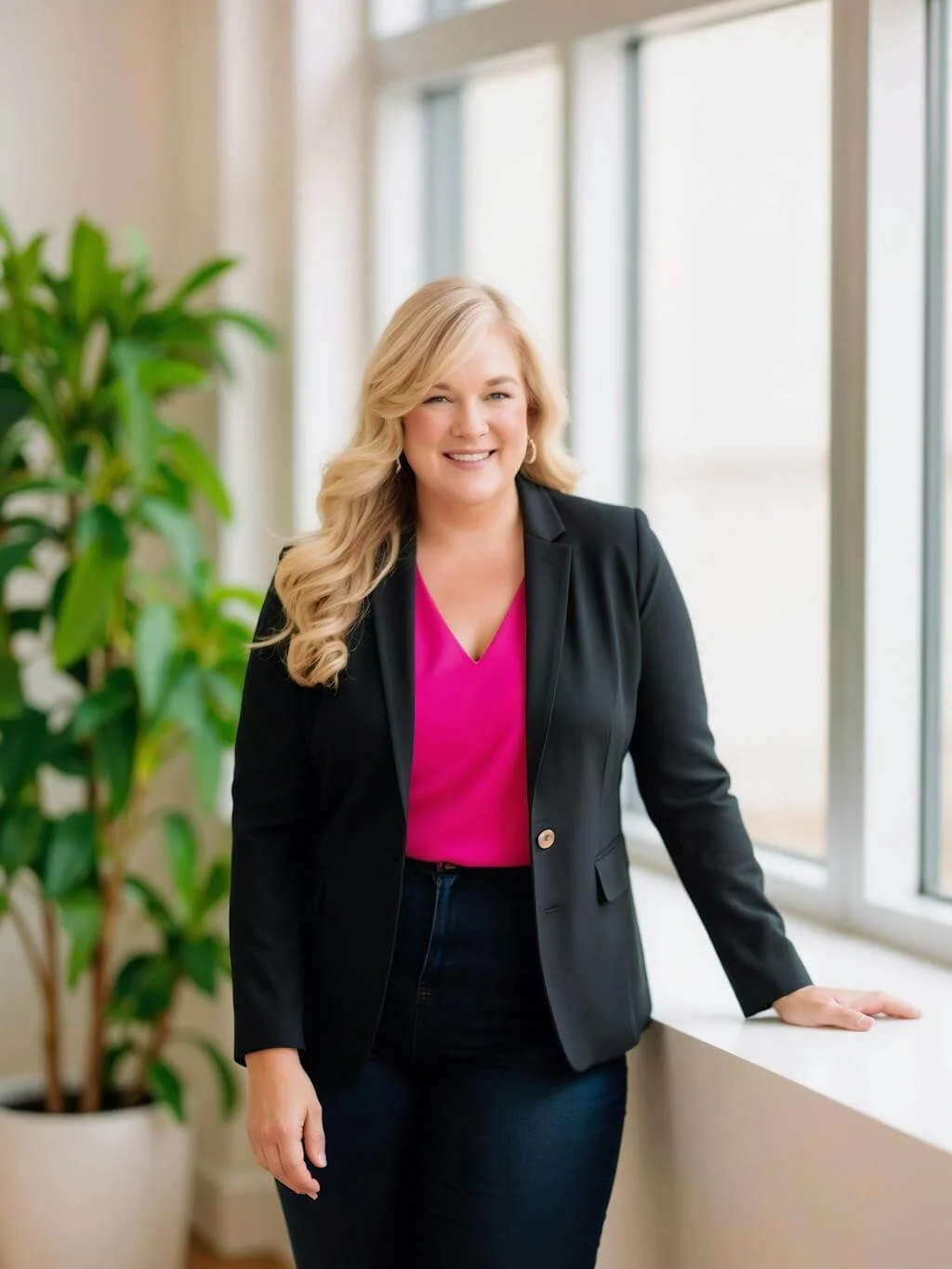
Dr. Destini Copp helps digital product creators build sustainable, systems-based businesses through the Creator Growth Flywheel framework. She's the founder of Creator's MBA and HobbyScool, and has been teaching online business strategy for over a decade. Learn more →