
The Questions That Get Buyers to Tell You Why They Buy
Creators ask me what to charge all the time and when I ask them why their buyers buy, I usually get a guess. It's often a pretty good guess, but it's still a guess and the whole sales page gets written around it.
This article is about finding the real reason. Earlier in this series I wrote about the story buyers tell themselves when they pay, an idea that came from Codie Sanchez's newsletter. You can't use that story on your page or on a sales call until you know what it actually is. The only way to know is to ask the people who buy.
Why your own guess isn't enough
When you've been building an offer for a while, you know it better than anyone. That actually makes it harder to see why someone buys, because you know every module and every template and you picture the parts you worked hardest on.
Buyers think about it differently. They think about what was going on in their life the week they decided to pay.
Say you sell a $297 course on starting a paid newsletter. You might think people buy it for the templates. A buyer might have bought it because their day job had layoffs and they wanted a second income they could start on weekends. Those are two very different stories and they lead to two very different sales pages.
If your page talks about templates, the buyer compares your course to every other course with templates. If your page talks about a second income, the buyer compares it to what it would cost to keep relying on one paycheck. That second comparison makes $297 look very different.
Write your guesses down before you ask anyone.
Before you talk to a single buyer, open a doc and write down what you think the answers are. It takes about fifteen minutes and it makes everything after it more useful.
Write down:
- Why you think people buy your offer
- What you think they compare it to when they look at the price
- What you think almost stopped them from buying
- The result you think they remember most
- Why you think some people don't buy or don't come back
The reason to do this first is simple. After you hear real answers, it's very easy to tell yourself you knew it all along. Having your guesses on paper lets you see exactly where you were right and where you were off and the places you were off are the places your sales page needs to change.
Don't clean them up to sound smart. If your real guess is "they buy because it's cheaper than the other courses," write that down. You'll learn more from comparing an honest guess to what buyers actually say.
Who to ask
You don't need a big research project. Three conversations with buyers will show you more than you'd expect and you can have all three this week.
Pick buyers who used the thing and got some kind of result. If you can, pick people who bought at different times, like one from your last launch and one who came through your evergreen funnel, because the story can change depending on how they found you.
Then try to talk to one or two people who almost bought. These are people who clicked through to checkout and left, people who replied to a launch email with a question and never purchased, or people who came to your free workshop and didn't take the offer. Their answers show you what got in the way of the sale.
If you run a membership, add one person who canceled. They'll tell you what they were telling themselves when they decided to leave and that's just as useful as hearing why someone joined.
The questions to ask and what each one tells you.
Write your own versions of these so they sound like you. Keep them open-ended so the buyer tells you a story. A question someone can answer with yes or no won't give you much to work with.
"What was going on that made you start looking for help with this?"
This one gets you the buying story. You're asking about the moment before they found you and that moment is usually where the real reason is.
Listen for what set it off. Maybe a launch didn't sell, maybe a client asked for something they didn't know how to do, or maybe they'd been saying they'd start a membership for two years and finally got tired of saying it.
"Last time you paid for something like this, what made it feel worth it?"
This question tells you what they compare you to. If they mention a $1,500 coaching program, your $297 course is being sized up next to that. If they mention a $27 ebook, you're working with a very different comparison.
It also shows you what "worth it" means to them. Some buyers will say it was worth it because they finished it. Others will say it was worth it because they made the money back in a month. Those answers point to the result they remember, so put that result near the top of your page.
"What almost stopped you from buying?"
Buyers usually have an answer ready for this one. It might be the price, the timing, a worry that they wouldn't have time to use it, or a bad experience with another course.
Pay close attention here because these are the same reasons the people who didn't buy are telling themselves. If two of your three buyers say they almost passed because they were worried about falling behind, your page needs to show how the course works for someone with a full schedule.
"What would happen if you didn't fix this?"
This one shows you what the problem costs them. A coach might tell you she'd keep trading hours for money. A newsletter creator might tell you he'd keep growing a list he can't earn anything from. Write down how they describe the cost, in their words.
Those answers give you a better comparison for your price. A $497 program looks different next to another year of a list that doesn't pay you anything.
A few more you can use
- What did you try before this?
- What's different now that you've used it?
- How would you describe this to a friend who was thinking about buying it?
- Was there a moment when you thought, okay, this was worth it?
The follow-up questions are where the best answers come out. When someone gives you a short answer, ask "What do you mean by that?" or "Can you tell me more about that?" and then wait. Ask the question and then stop talking long enough for the buyer to tell you the real reason.
Ask the question and then stop talking long enough for the buyer to tell you the real reason.
Dr. Destini CoppWhere to ask calls, emails, surveys and DMs.
Use whatever is easiest for you and your buyers. Each one works a little differently.
- Calls. A 15 to 20 minute call is the best way to hear the full story because you can ask follow-ups. Tell them it's short and you just want to hear about their experience. Record it if they're okay with that so you can go back to their exact words later.
- Reply emails. Send one question to your buyers and ask them to hit reply. One question is easier to answer than five, so you'll get more replies. You can send the next question a week later.
- A short survey. Three or four questions in a form you send after purchase or after someone finishes the course. Make at least one of them open-ended so you get full sentences back.
- DMs. If buyers already message you on Instagram or in your community, ask one of the questions there. It feels like a normal conversation, so people tend to answer in a relaxed way.
For people who almost bought, a short personal email works well. Something like "I saw you checked out the workshop and didn't grab it. Would you mind telling me what made you wait?" People are often pretty honest with this one because they don't have anything riding on the answer.
Ask the question and let them talk. Don't explain your offer, don't defend your price and don't try to solve their problem on the call. You're there to hear their story in their words.
What to listen for
After your conversations, put all the answers next to the guesses you wrote down. Here's what you're looking for.
- Words that repeat. If two buyers both say "I was so tired of guessing," that phrase belongs on your sales page.
- The moment they started looking. This is your buying story and it usually shows up in the answer to the first question.
- What they compared you to. Write down every other product, person or option they mention, including "I was going to try to figure it out on my own."
- The result they talk about with the most energy. You'll hear it in how they talk. They speed up, they give you details and they tell you about someone they shared it with.
- What almost stopped them. These go into your FAQ and right next to your price.
Also listen for what nobody mentions. If you spent weeks on a bonus and none of your buyers bring it up, it probably isn't why they buy and it doesn't need to lead your page.
If the answers are all over the place, that's useful too. It can mean your offer is trying to serve too many different people, or it can mean you need two or three more conversations before you see the pattern.
What to do with it this week.
Here's the order I'd follow so this turns into changes on your page.
Write your guesses
Answer the five guess questions about one offer before you talk to anyone.
Reach out to buyers
Ask three buyers and one or two people who almost bought for a short call or a quick reply.
Ask and write down their words
Use your versions of the four questions and keep notes in the buyer's exact words.
Compare and change one thing
Put their answers next to your guesses and update the part of your page where you were most off.
If you want help sorting through what you heard, the free Pricing Story Finder is a Claude skill that asks you a few questions about one offer and the people who buy it. It hands back the buyers' story, a better comparison, a starting price range to test and sales page lines in the buyers' own words. Bring your notes from these conversations into it.
Once you have their words, the next step is putting them on your page. I walk through where each one goes in How to Use Your Buyers' Own Words on Your Sales Page.
Turn what buyers tell you into your pricing story
The free Pricing Story Finder asks you a few questions about one offer and the people who buy it. It hands back their story, a better comparison and a price range to test.
Get the Pricing Story Finder →Frequently asked.
How many customers do I need to interview to understand why they buy?
Start with three buyers and one or two people who almost bought. That's usually enough to hear words and reasons that repeat. If the answers are all over the place, talk to a few more before you change your sales page.
What questions should I ask customers about why they bought my course?
Ask what was going on that made them start looking for help, what made the last thing they paid for feel worth it, what almost stopped them from buying and what would happen if they didn't fix the problem. Write your own versions so they sound like you. Then follow up with "Can you tell me more about that?" and let them talk.
How do I get people who didn't buy to tell me why?
Send a short, personal email to people who clicked through to checkout or came to your free workshop and didn't buy. Ask one question, like what made them wait. Keep it short and don't try to sell them anything in the same email.
Should I use a survey or customer calls for buyer research?
Calls give you the most because you can ask follow-up questions and hear exactly how people talk about the problem. Surveys and reply emails are easier to send to more people. Use calls when you can and a short survey with at least one open-ended question when you can't.
How do I use what buyers tell me to set my price?
Look at what buyers compared your offer to and what they said the problem was costing them. Put that comparison on your sales page before you touch the price. Once the page tells the buyers' story, you can test a higher price with new buyers.
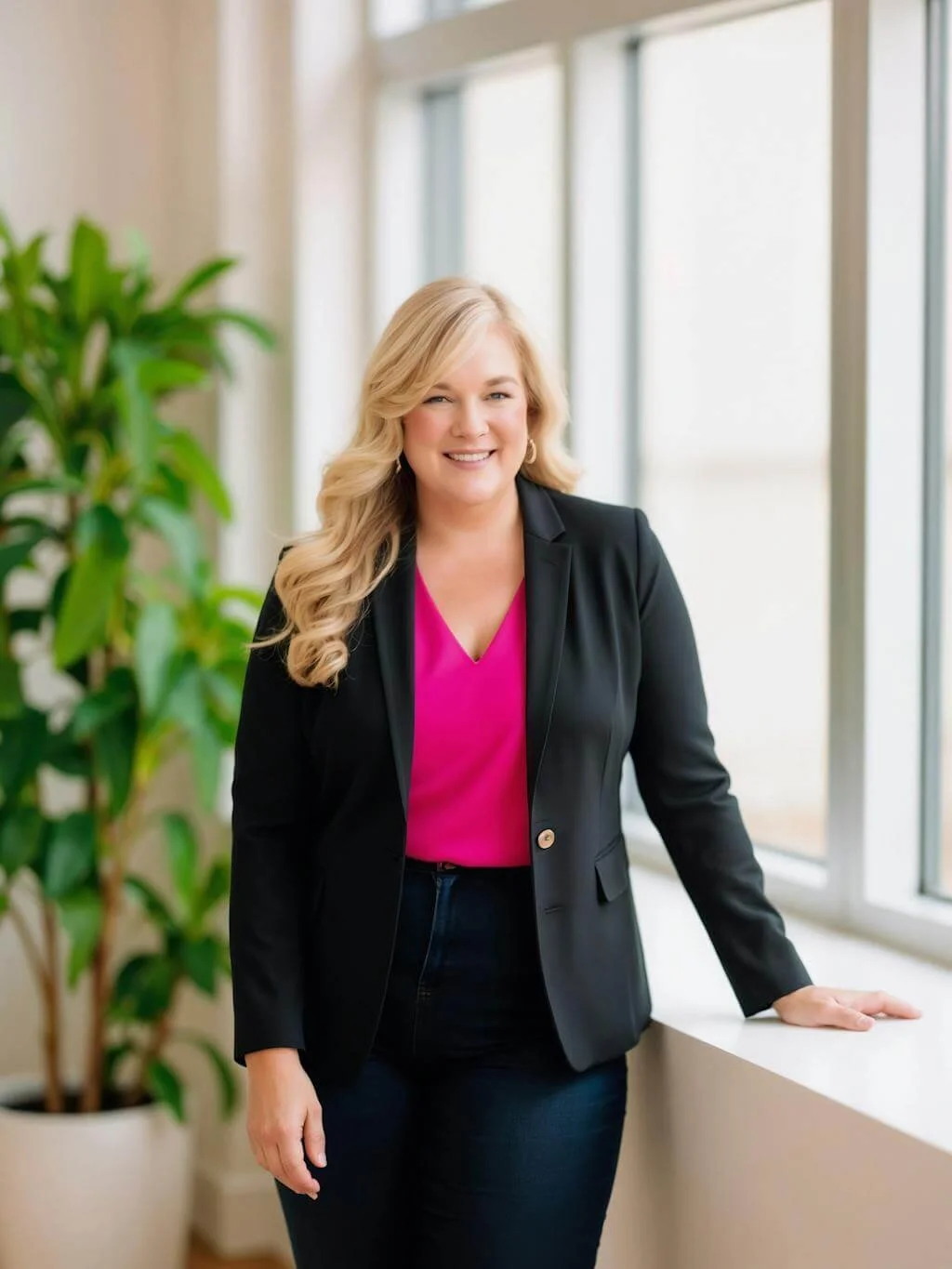
Dr. Destini Copp helps digital product creators build sustainable, systems-based businesses through the Creator Growth Flywheel framework. She's the founder of Creator's MBA and HobbyScool, and has been teaching online business strategy for over a decade. Learn more →