
How to Raise Your Prices Without Losing Buyers
Creators ask me what to charge all the time and a lot of the time the real question underneath it is "Can I charge more than I do now without everyone leaving?" Maybe you've got a $27 template, a $37 a month membership or a $497 course and you're pretty sure it's priced too low, but the worry is that the second you change it, sales go to zero.
Here's what I see a lot. Creators raise the price first and then hope the sales page catches up. The order that works better goes the other way. You get clear on the buyers' story, you change what the offer is being compared to, you put both of those on the page and then you raise the price for new buyers and watch what happens.
This whole pricing series comes from Codie Sanchez's idea about the money story, which is that people are buying the story they tell themselves about the money they spend. In this article I'm going to walk you through how to use that idea to raise your price in a way that feels a lot less like a gamble.
Why a price increase feels so risky.
When you raise a price and nothing else changes, the buyer is looking at the same page, the same offer and the same comparison they had before, just with a bigger number on it. So if they were comparing your $47 workshop to a free YouTube video last month, now they're comparing a $97 workshop to that same free video. That comparison was already working against you and the higher price makes it worse.
That's usually what's going on when a price increase goes badly. The number went up and the page still tells the same story it told before.
So what you're really testing when you raise a price is whether the page gives buyers a good reason to pay the new number. That's something you can work on before you ever touch the price and it's a lot easier to fix than it sounds.
If you want the full background on this, I wrote about it in Every 'It's Too Expensive' Is a Story Problem. The short version is that "too expensive" usually tells you something about the story and the comparison on your page.
The order that makes a price increase easier.
There are five steps here and the order matters. Each one sets up the next one, so try not to jump straight to step four.
Find the buyers' story
Figure out what your buyers tell themselves when they pay, what result they remember after they use it and the reasons people don't buy or don't come back.
Change the comparison
Look at what your offer is being compared to right now and pick something better to compare it to, like six more months of figuring it out alone or paying someone to do it for them.
Update the page
Put the story and the new comparison on the sales page in plain words, especially in the headline, the problem section and right next to the price.
Raise the price for new buyers
Once the page tells the right story, change the price for anyone buying from that point on and decide what you're doing for the people who already bought.
Watch what happens
Give it a few weeks and keep an eye on sales, the questions people send you and the reasons people give for not buying.
Find the story and change the comparison
The first two steps are where most of the real work happens. Say you sell a $47 workshop on setting up a paid newsletter. Your guess might be that people buy it because they want to learn about paid newsletters. When you actually ask a few buyers, you might hear something closer to "I've been meaning to set up my paid tier for a year and I wanted to get it done this weekend."
That second version is the buying story. It's about getting something finished that's been hanging over them and it gives you something real to write about on the page.
Now look at the comparison. Right now that $47 workshop is probably being compared to free tutorials, a $20 book or a cheaper course somebody saw in a Facebook group. A better comparison is another year of meaning to do it and not doing it, or paying a tech person a few hundred dollars to set it up for them. Next to either of those, $97 looks pretty reasonable.
If you're not sure what your buyers would say, don't guess and move on. Ask three buyers or three people who almost bought. I put together a list of questions that work well for this in The Questions That Get Buyers to Tell You Why They Buy. You can also run your offer through the free Pricing Story Finder, a Claude skill that asks you a few questions about one offer and the people who buy it, then hands back the buyers' story, a better comparison, a starting price range to test and sales page lines written in your buyers' own words.
Get the story and the comparison right on the page first and then change the price.
Dr. Destini CoppUpdate the page before the price changes.
This is the step creators want to rush through, but the page is where the buyer actually meets the new price. If the page still reads like it did at $47, it's going to feel like a $47 offer with a $97 price tag on it.
Here are the four places I'd change first:
- The headline. Write it around the buying story. For the newsletter workshop that might be something like "Get your paid newsletter tier set up this weekend."
- The problem section. Describe what's going on in the buyer's life right before they buy, using the words you heard when you asked them.
- Right next to the price. Put the better comparison here. One or two plain sentences is enough, like "Hiring someone to set this up usually costs a few hundred dollars and you'd still need to learn how to run it."
- The FAQ. Answer the reasons people don't buy. If people say "I don't have time," answer that one directly.
The same thing goes for sales calls if you sell coaching or a higher ticket program. Before you quote the new price, ask what it's costing them to leave the problem alone and what they've already tried. Then the price gets compared to their answer.
You don't need to add a pile of new bonuses to justify a higher price. Adding more stuff can make the offer feel harder to finish. Changing how the page explains the offer is usually enough.
Raise the price for new buyers
Once the page is updated, pick the new price and the date it changes. For a lot of creators, a good place to start is a jump that feels a little uncomfortable, like $47 to $67 or $97, or a $37 a month membership going to $47 a month. You can always move it again after you see how buyers respond.
You don't have to make a big announcement. If you want to give your list a heads up, a short email saying the price goes up on a certain date is fine and it gives people who were already thinking about it a reason to buy now. Just make sure the date is real and the price actually changes on that date.
What about current members and buyers?
If you have a membership or any recurring offer, you need to decide what happens to the people already paying. Grandfathering is one option. That means current members keep paying their old price for as long as they stay and only new members pay the new price.
A lot of creators like grandfathering because it's a nice thank you to the people who joined early and it lets you raise the price without anyone getting a surprise charge. The other option is moving everyone to the new price with plenty of notice. Either one can work. What matters is that you pick one, tell your members plainly and stick to it.
Raise the price only after the buyers' story and the better comparison are on the page. A higher price on the same old page is the version that loses buyers.
Watch what happens after the change.
Give the new price at least 30 days before you decide anything, because one slow week doesn't tell you much. While you wait, keep an eye on a few things:
- Sales compared to before. Look at the number of sales and the total money coming in. Fewer sales at a higher price can still bring in more money.
- The questions people send. If you start getting a lot of "is this worth it?" replies, the page probably needs a clearer comparison.
- Why people don't buy. If people tell you it's too expensive, ask what they were comparing it to. Their answer tells you what to fix on the page.
- Cancels and refunds. For memberships, watch whether new members at the new price stay as long as members did before. Read the cancel reasons and look for anything new.
If sales drop and the money coming in drops too, don't jump straight back to the old price. Go back to step one and check the story and the comparison first. Usually there's a line on the page that still points buyers toward the cheap comparison and changing that line is the first thing to try.
If sales stay about the same, that's a good sign the old price was too low and the page is doing its job. You can leave it there for a while or test another small increase down the road.
What to do this week
You don't need to redo your whole business to try this. Pick one offer and work through it.
- Write down your best guess at the buying story for that offer in one sentence.
- Ask three buyers or people who almost bought what was going on when they started looking for help.
- Write down what the offer is being compared to now and one better comparison.
- Update the headline, the problem section and the lines next to the price.
- Decide on the new price, the date it changes and what you're doing for current members.
- Put a reminder on your calendar to check your numbers 30 days later.
Start with the offer you're most sure is underpriced, since that's usually the easiest one to test. Once you've done it for one offer, you'll have a process you can repeat for the rest of them.
Find your buyers' story before you raise the price
The free Pricing Story Finder asks you a few questions about one offer and hands back the buyers' story, a better comparison and a starting price range to test.
Get the Pricing Story Finder →Frequently asked.
How do I know if my course is priced too low?
Look at whether people buy without asking many questions and whether buyers tell you it was worth way more than they paid. Those are both signs you have room to go higher. Before you change anything, check that your sales page tells the buyers' story and compares the course to something bigger than a free video.
How much should I raise my prices at one time?
Pick a jump that feels a little uncomfortable, like $47 to $67 or $97, or a $37 a month membership to $47. You can always raise it again after you see how buyers respond. Give each change at least 30 days before you decide if it worked.
Should I grandfather current members when I raise my membership price?
Grandfathering is one option and a lot of creators like it because it thanks the people who joined early and nobody gets a surprise charge. The other option is moving everyone to the new price with plenty of notice. Either one can work as long as you tell members plainly and stick to it.
Do I need to tell my email list before I raise my prices?
You don't have to, but a short email saying the price goes up on a certain date gives people who were already thinking about buying a reason to buy now. Make sure the date is real and the price actually changes when you say it will.
What should I do if sales drop after I raise my price?
Give it at least 30 days first and look at the total money coming in along with the number of sales. If both dropped, go back and check the buying story and the comparison on your page before you lower the price. Usually there's a line on the page still pointing buyers to a cheap comparison and that's the first thing to fix.
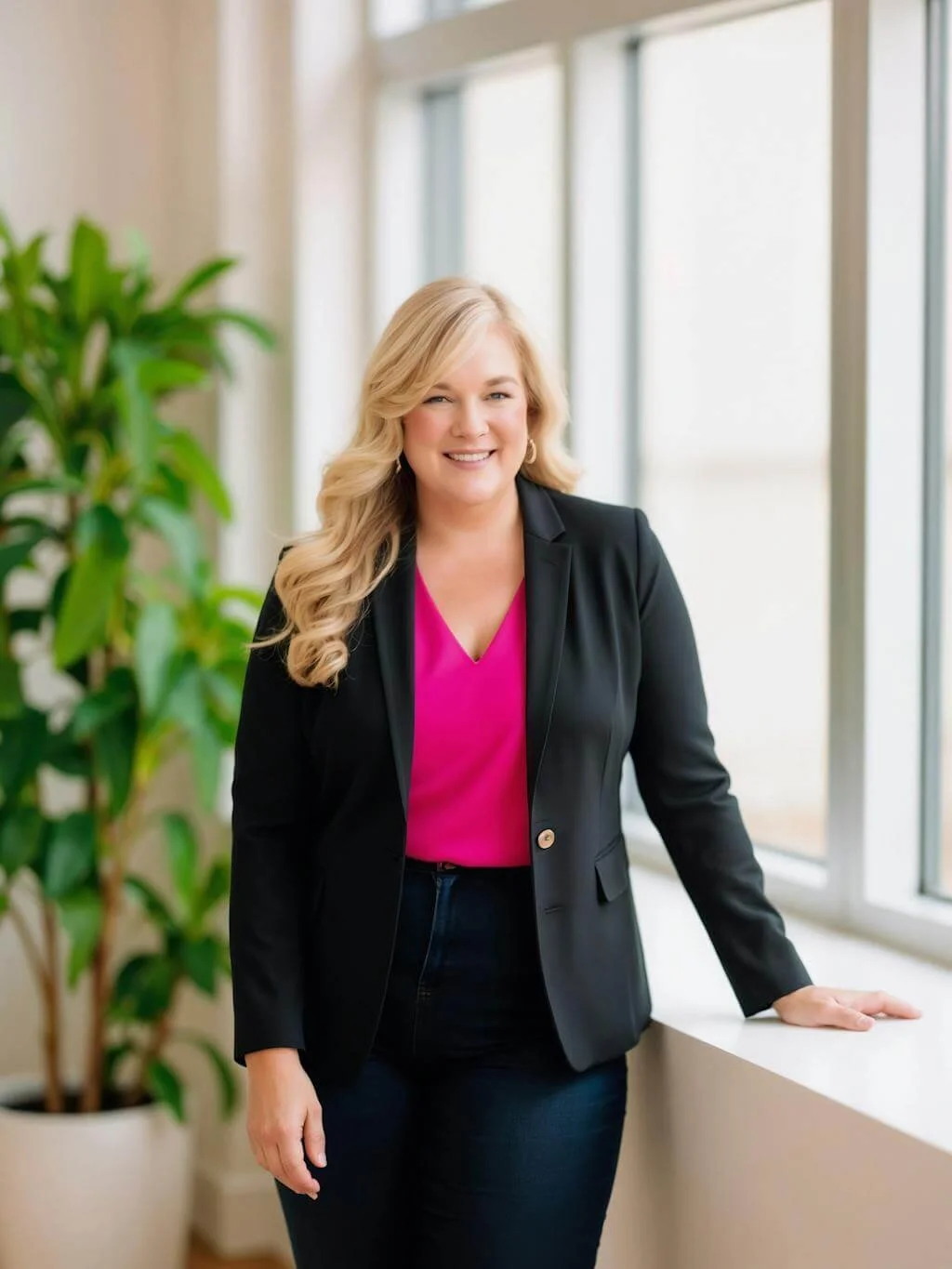
Dr. Destini Copp helps digital product creators build sustainable, systems-based businesses through the Creator Growth Flywheel framework. She's the founder of Creator's MBA and HobbyScool, and has been teaching online business strategy for over a decade. Learn more →