
How to Use Your Buyers’ Own Words on Your Sales Page
You sit down to write your sales page and the words that come out sound like a brochure. Things like "transform your business" and "take your course to the next level," and none of it sounds like the people you're selling to.
The fix is to stop writing the page from scratch and start using the words your buyers already use when they talk about the problem, the price and the result. Those words are in your inbox, your call notes and your DMs right now and this article walks through where to find them and where they go on the page.
This is the last article in my pricing series. The series started with an idea I picked up from Codie Sanchez's newsletter about the story buyers tell themselves about the money they spend and this is the part where that story actually makes it onto your page.
Why your words and your buyers' words sound so different.
You know your offer from the inside. You know the modules, the framework, the tools you used to build it and the name you gave each step, so when you describe it you tend to describe those things.
Your buyer is standing somewhere else. They're thinking about the thing that's bugging them this week, like the welcome email they've rewritten four times or the membership that keeps losing people in month two. They don't call it "audience nurture" or "retention strategy." They say "nobody opens my emails" or "people join and then just disappear."
When the page uses your words, the reader has to translate it before they can tell if it's for them. When the page uses their words, they read a line and think "that's me" and keep reading. Creators ask me what to charge all the time and a lot of the time the price is fine and the page just isn't telling the story the buyer tells themselves.
Your buyers have already written most of your sales page for you. Your job is to find the lines and put them in the right spot.
Dr. Destini CoppWhere to find your buyers' words
Most creators have more of this material than they think, it's just spread across a bunch of different places.
- Replies to your emails. Any time you ask a question in a newsletter or welcome email and someone hits reply, that's gold. Start with replies to your welcome sequence, because people tend to say why they signed up.
- Testimonials and reviews. Read past the "loved it!" line. The useful part is usually the sentence about what was going on before they bought or what they did right after.
- Call notes. If you do sales calls, discovery calls or coaching sessions, the first five minutes are where people describe their problem in their own words. Write those phrases down word for word while you're on the call.
- Cancel surveys and refund requests. These are uncomfortable to read, but they tell you the reasons people don't buy or don't come back and those reasons belong on your page too. I wrote more about this in why members cancel.
- DMs and community posts. Questions people post in your Facebook group, Skool community or Instagram DMs are often the exact question your sales page needs to answer.
- Your buyer questions. If you asked three buyers the questions from the questions that get buyers to tell you why they buy, those answers are the best material you have, because you asked about the buying story on purpose.
If you've never collected any of this, start with the last two. A short DM or a reply email to five recent buyers will get you more usable lines than a week of brainstorming on your own.
How to collect and sort what you find
Once you start pulling quotes, it gets messy fast. The easiest way to keep it usable is to put every line in one document and sort it into four buckets that match the buyer's story.
Copy the exact words
Paste every phrase exactly as the person wrote or said it, typos and all. Note where it came from and the date so you can go back and ask permission later.
Sort into the four buckets
Put each line under one of these: what was going on before they bought, what almost stopped them, the result they remember and what they compared your offer to. Some lines fit two buckets and that's fine.
Look for repeats
When three different people describe the problem the same way, that phrase is probably your headline or your problem section. One person saying something clever is nice, but repeats are what you build the page around.
Ask permission
Before a quote goes on the page with someone's name or photo, email them and ask. Most people say yes.
If you'd like help sorting all of this, the free Pricing Story Finder is a Claude skill that asks you a few questions about one offer and the people who buy it. It hands back the buyers' story, a better comparison, a starting price range to test and sales page lines written in your buyers' own words.
Where the words go on your sales page.
There are four spots on a sales page where your buyers' words do the most work. You don't have to rewrite the whole page at once, so start with whichever spot feels weakest right now.
The headline
Your headline should sound like the thing your buyer says to a friend when they're frustrated. Look at the "before they bought" bucket and find the phrase that shows up the most.
Say you sell a $47 workshop on setting up a paid newsletter and when you go through your replies a bunch of people said some version of "I have a list but I've never made a dime from it." That line is a much better starting point for a headline than "Monetize your newsletter with confidence," because it's the exact thought in their head when they land on the page.
The problem section
This is the part of the page where you describe what's going on for the reader before they buy. It's where most of your "before" quotes go and you can use them almost as written.
Instead of writing a paragraph about how hard it is to grow a membership, list three or four of the real things people told you. Short lines like "I keep getting new members and losing old ones at the same rate" or "I spend every Sunday making content and nobody comments" let the reader recognize themselves quickly.
Next to the price
This is the spot creators most often leave empty and it's where the buyer's story matters most. Right before or right after the price, put the comparison your buyers made in their own words.
Look in your "what they compared it to" bucket. If buyers of your $297 course said things like "I'd already lost six months trying to piece this together from YouTube," that's what goes next to the price. It changes what the reader is measuring the price against. I go deeper on this in what is your offer being compared to.
If you only add buyer words in one place this week, put them next to the price. A real buyer explaining why the price made sense to them does more for the reader than anything you can write about value yourself.
A testimonial works well here too, as long as it talks about the money or the time. A quote like "this paid for itself the first month I ran the sponsor email" is far more useful next to the price than a general "loved this course."
The FAQ
Your "what almost stopped them" bucket turns straight into your FAQ. If a few people told you they almost didn't buy because they weren't sure they had time, then "How much time does this take each week?" is an FAQ question and you answer it plainly.
Write the question the way the buyer asked it, even if it's a little clunky. A reader who has the same worry will spot it faster when it's in words they'd actually use.
Use real words and only real words.
This is the one rule you can't bend. Every quote on your page has to be something a real person actually said or wrote and you need to be able to point to where it came from.
- Don't make up testimonials. Not even "sample" ones while you wait for real ones. If you don't have a testimonial for a section yet, leave it out and use your own plain description instead.
- Don't put words in a buyer's mouth. It's tempting to clean up a quote so it says exactly what you wish it said. If the buyer said "it helped me get organized," don't change it to "it doubled my revenue." Keep what they said.
- Trim carefully. It's fine to cut a long quote down to the useful sentence or fix an obvious typo, as long as the meaning doesn't change. If you're not sure, send them the trimmed version and ask if it's okay.
- Get permission for anything with a name. Using a phrase from a reply email in your headline without a name attached is normal copywriting. Putting someone's name, photo or business next to a quote needs their yes.
- Don't combine people. Two partial quotes from two buyers shouldn't be stitched into one quote with one name on it.
No buyers yet? Use words from people who almost bought, your waitlist or replies to your freebie emails. Just don't present them as results from your offer.
What to do this week
Here's a simple plan for one offer.
- Pick one offer and open its sales page.
- Pull 20 lines from replies, testimonials, call notes, cancel surveys and DMs about that offer into one document.
- Sort them into the four buckets and highlight the phrases that repeat.
- Rewrite your headline using the most common "before" phrase.
- Add one real buyer quote about money or time right next to your price.
- Turn the top two "almost didn't buy" reasons into FAQ questions.
- Email permission requests for any quote that will carry a name.
Once the page is updated, keep the document open and add to it every time a buyer replies or a call wraps up. Your sales page should change as your buyers tell you more, so plan to come back to it every few months and swap in newer lines.
And if you're thinking about raising your price, do this step first. When the page already explains the price in your buyers' words, the higher number has something to sit next to. I walk through that in how to raise your prices without losing buyers.
Get sales page lines in your buyers' own words
The free Pricing Story Finder asks you a few questions about one offer and the people who buy it. It hands back their story, a better comparison and lines you can put right on your page.
Get the Pricing Story Finder →Frequently asked.
How do I find customer language for my sales page if I don't have many buyers yet?
Use the words from people who almost bought, people on your waitlist and people who reply to your freebie emails. Ask them what made them sign up and what they're struggling with right now. Those answers are real words you can use in your headline and problem section, you just can't present them as results from your offer.
Can I edit a testimonial before I put it on my sales page?
You can trim it down to the useful sentence or fix an obvious typo, as long as the meaning stays the same. Don't change what the person said or add results they didn't mention. If you're not sure, send them the edited version and ask if it's okay.
Where should testimonials go on a sales page?
The most useful spot is right next to the price, especially a quote that talks about money or time saved. Testimonials about what was going on before someone bought work well in the problem section. You can also use them near the FAQ to answer the worries people had before buying.
Do I need permission to use a customer's words in my sales copy?
If you're putting their name, photo or business next to the quote, yes, ask first. Using a common phrase you heard from several buyers in your headline without a name attached is normal copywriting. Either way, the words have to be something real people actually said.
How do I turn customer feedback into a sales page headline?
Go through your replies, call notes and DMs and look for the way people describe their problem before they bought. When the same phrase shows up from three or more people, that's a strong starting point. Write the headline close to how they said it, because that's the thought in a reader's head when they land on the page.
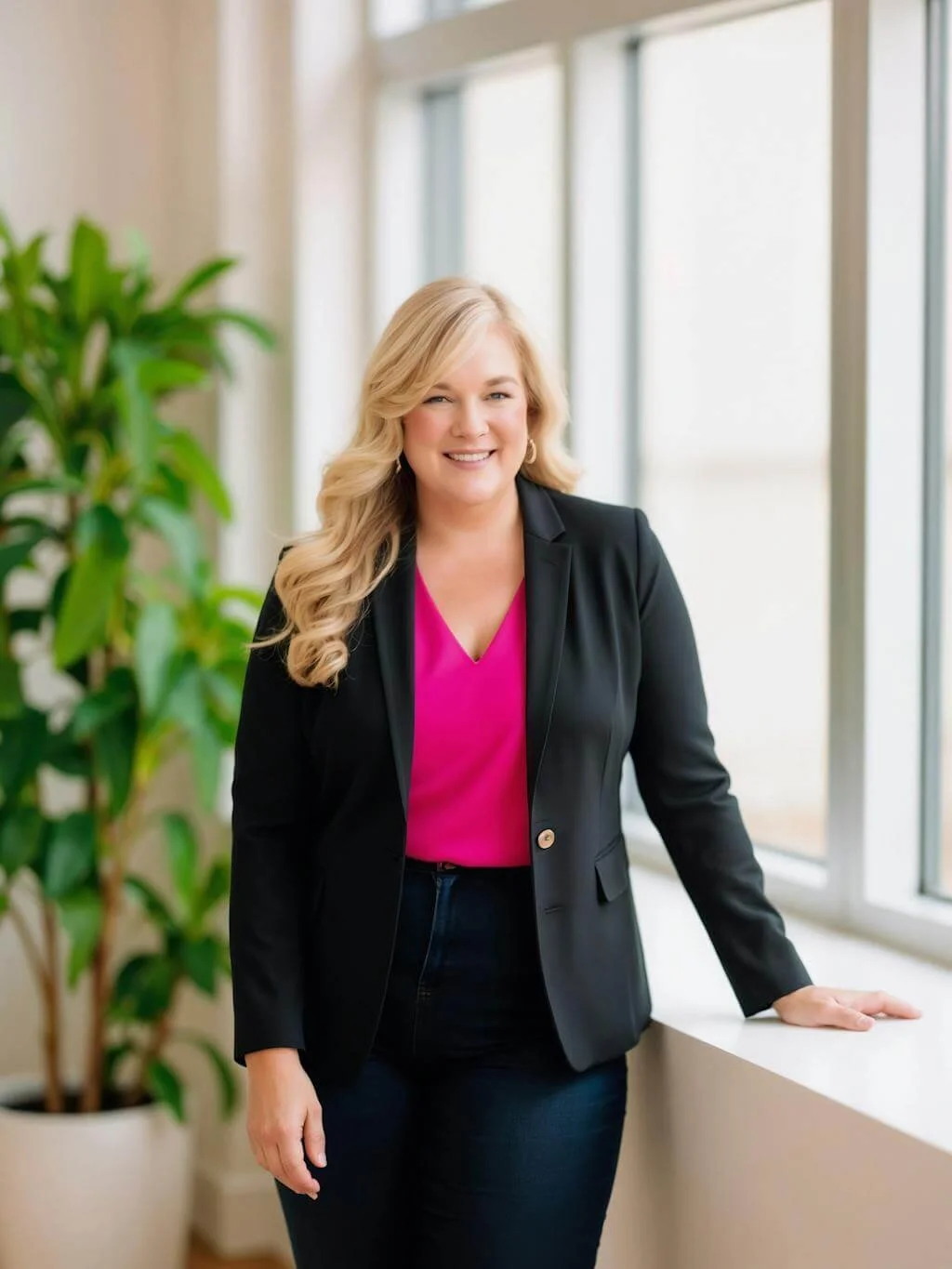
Dr. Destini Copp helps digital product creators build sustainable, systems-based businesses through the Creator Growth Flywheel framework. She's the founder of Creator's MBA and HobbyScool, and has been teaching online business strategy for over a decade. Learn more →