
Pricing Low-Ticket and High-Ticket Offers Isn’t the Same Job
Creators ask me what to charge all the time and a lot of them ask about two offers at once. They've got a $47 workshop and a $2,000 coaching program and they're trying to price both with the same set of rules.
The trouble is that a $47 buyer and a $2,000 buyer are telling themselves very different stories when they pay. So the page that sells one won't sell the other, even when the topic is the same and the buyer is the same person a few months apart.
This series started with an idea from Codie Sanchez's newsletter, that people buy the story they tell themselves about the money they're spending. In this article we'll look at how that story changes as the price goes up, what your offer gets compared to at each level and what goes on each page because of it.
The low-ticket buying story is about getting time back.
When someone buys a $17 template or a $47 workshop, they aren't planning to change their whole business. They want one thing handled and they want it handled soon.
The story they tell themselves at checkout sounds something like "this saves me an afternoon" or "I'll have this done by tonight." It's a small decision, so the story is small too.
Say you sell a $27 Notion template for planning a podcast season. The buyer just has to believe the template will save them from building the same planner from scratch on a Sunday afternoon. That's enough for $27.
A few things show up again and again in low-ticket buying stories:
- Speed. They want to use it right away, today or this week.
- A quick win. Something finished they can point to, like a sales email written or a launch calendar filled in.
- Ease. They don't want another big project on their plate.
The result they remember is just as small. They remember that it worked, that it was easy and that they didn't waste the afternoon.
The high-ticket buying story is about the bigger change
Someone paying $997 or $3,000 for coaching, a group program or a mastermind is thinking about where their business will be six or twelve months from now. The story they tell themselves is about a bigger change, like finally having a membership that pays them every month or a newsletter that brings in sponsor money.
There's a second piece that shows up at this price almost every time. They want someone in their corner. A lot of them have tried to figure it out alone already, maybe with a few cheaper courses and they're tired of guessing. The story sounds like "I'm done doing this by myself" or "I need someone who's done this to look at my stuff and tell me what to fix."
So the high-ticket buying story usually has these pieces in it:
- A bigger result that takes months, like a full launch, a paid membership with real members or a steady stream of coaching clients.
- Support from a real person who answers their questions and looks at their work.
- Accountability, meaning someone expects them to show up and do the work.
- Trust. They have to believe you can get them there, because the amount is big enough to matter to them.
The result they remember is different too. A high-ticket buyer remembers when it all came together, like the first sale after the launch or the call where you helped them see what to fix.
A $47 buyer wants their afternoon back and a $2,000 buyer wants someone in their corner, so each page has to tell a different story.
Dr. Destini CoppThe comparison changes when the price goes up.
Price only looks high or low next to something else. I go into this more in What Is Your Offer Being Compared To?, but here's how it plays out at each price level.
What low-ticket offers get compared to
A $47 workshop usually gets compared to free stuff. Buyers think about the YouTube video they could watch, the blog post they could read or the $20 book on their nightstand. Next to free, $47 feels like a lot.
The better comparison for a low-ticket offer is their time. Put the $47 next to the four or five hours they'd spend piecing it together from free videos, or next to what they'd pay someone to do it for them. Say your workshop shows people how to set up a welcome sequence in Kit. Doing it alone might take a whole weekend of trial and error and paying someone to build it would cost more than $47. Next to either of those, $47 looks easy.
What high-ticket offers get compared to
A $2,000 program gets compared to cheaper courses. The buyer looks at your coaching and thinks, "I could buy a $297 course on the same topic." If the page doesn't give them anything else to compare it to, the $297 course usually wins.
The better comparisons for a high-ticket offer are bigger. Compare it to another six months of figuring it out alone, or to what the problem costs every month it stays unfixed. Say a creator has a list of 5,000 people and no paid offer to send them to. That list isn't earning anything until they fix it and every month that goes by is another month of sales they didn't make.
Read your sales page and ask what a buyer would compare the price to if they only read the top of the page. If the answer is free YouTube videos for a low-ticket offer or a cheaper course for a high-ticket one, change the comparison before you change the price.
What goes on a low-ticket page
Low-ticket pages should be short and quick to read because the buying story is short and quick. The buyer wants to know what they get, how fast they can use it and what they'll have when they're done.
Here's what I'd put on a low-ticket page:
- A headline that names the task and the time it saves, like "Write your first five welcome emails in one afternoon."
- A short list of exactly what's inside, with the format (video, template, swipe file) and how long it takes to go through.
- The finished thing they walk away with, described plainly.
- The time comparison right next to the price. Something like "Skip the weekend of trial and error for $47."
- A buy button near the top, because a lot of these buyers decide fast.
A long backstory doesn't belong on a low-ticket page. It makes a $47 decision feel like a $2,000 one and the buyer starts to hesitate.
What goes on a high-ticket page.
High-ticket pages, and the sales calls that often go with them, have more work to do. The buyer is deciding whether to trust you with months of their time and a real chunk of money, so they need to see the bigger change and they need to see you.
Here's what belongs on a high-ticket page:
- A headline about the bigger result, like "Build a membership that pays you every month, with someone helping you at every step."
- A problem section that describes where they are right now in their own words. This is where what you learn from talking to buyers comes in.
- Exactly how the support works. How many calls there are, how they ask questions, how fast they hear back and whether you look at their actual work.
- The bigger comparison next to the price, like another six months alone or what the problem costs each month.
- Longer testimonials from real clients about what changed for them, in their words.
- A way to talk to you, like an application or a call, if the price is high enough that people want to ask questions first.
On a sales call, the same buying story shows up. Ask what made them start looking for help, what they've tried so far and what happens if nothing changes in the next six months. Their answers tell you which comparison to use when you get to the price. I share more questions like these in The Questions That Get Buyers to Tell You Why They Buy.
Price each offer for the story the buyer is telling at that price. A low-ticket page should sell the time they get back and a high-ticket page should sell the bigger change and the support that gets them there.
When a low-ticket buyer becomes a high-ticket buyer.
A lot of creators sell both and the same person often buys the small thing first and the big thing later. That's a good setup, but the story has to change between the two purchases.
Say someone buys your $37 workshop on writing a sales page. They use it, they get a page up and they feel good about it. That quick win is the result they remember and it's what makes them trust you enough to look at your $1,500 program later.
But the pitch for the $1,500 program can't lean on speed. If you tell them it'll save them an afternoon, they'll compare it to the $37 workshop and it'll look way too expensive. The pitch has to move to the bigger change, like a full launch with you helping them through it. The comparison moves too, over to the months they'd spend doing it alone.
How to check your offers this week
You can go through all of your offers in a few hours.
Sort your offers by price
Write down every paid offer you have with its price. Put each one in a low-ticket group ($17 to $97) or a high-ticket group ($997 and up). For anything in between, decide which buying story it's closer to.
Write the buying story for each one
For each offer, write one sentence about what the buyer tells themselves when they pay. For low-ticket offers it should be about time or a quick win. For high-ticket offers it should be about a bigger change and having support.
Check the comparison
Read each sales page and write down what a buyer would compare the price to right now. Then write down what you want them to compare it to instead.
Match each page to its story
Cut the long backstory from your low-ticket pages. Add support details and the bigger result to your high-ticket pages. Then watch your sales and replies for a few weeks before you change any prices.
If you want help working through this for one offer, the free Pricing Story Finder is a Claude skill that asks you a few questions about the offer and the people who buy it. It gives you back the buyers' story, a better comparison, a starting price range to test and sales page lines in your buyers' own words.
Start with the offer that sells the most, since that's the page the most people see.
Find the buying story for your offer
The free Pricing Story Finder asks you a few questions about one offer and its buyers. Then it gives you the story, a better comparison and a price range to test.
Get the Pricing Story Finder →Frequently asked.
How much should I charge for a low-ticket digital product?
Most low-ticket offers fall somewhere between $17 and $97. Where yours lands depends on how much time it saves the buyer and how fast they can use it. Compare the price to the hours they'd spend doing it alone, then pick a price that looks easy next to that.
What's the difference between selling a low-ticket offer and a high-ticket offer?
A low-ticket buyer wants a quick win and their time back, so the page should be short and focused on what they get today. A high-ticket buyer wants a bigger change and someone helping them get there, so the page has to show the result, how the support works and real stories from past clients. What the price gets compared to is different too.
Why do people say my high-ticket coaching program is too expensive?
Usually it's because they're comparing it to cheaper courses on the same topic. Change the comparison on your page and on your calls to another six months of figuring it out alone or what the problem costs them each month. Also make sure the page explains exactly what support they get, because that's a big part of what they're paying for.
Should my low-ticket sales page be long or short?
Short, in most cases. The buyer is making a quick decision, so tell them what's inside, how fast they can use it and what they'll have when they're done. Put the buy button near the top and save the long story for your bigger offers.
Can a low-ticket offer help me sell my high-ticket program?
Yes, it often does. A buyer who gets a quick win from your $47 product has a reason to trust you with something bigger later. When you pitch the bigger offer, switch the story to the bigger change and the support so they don't compare it to the small product they already bought.
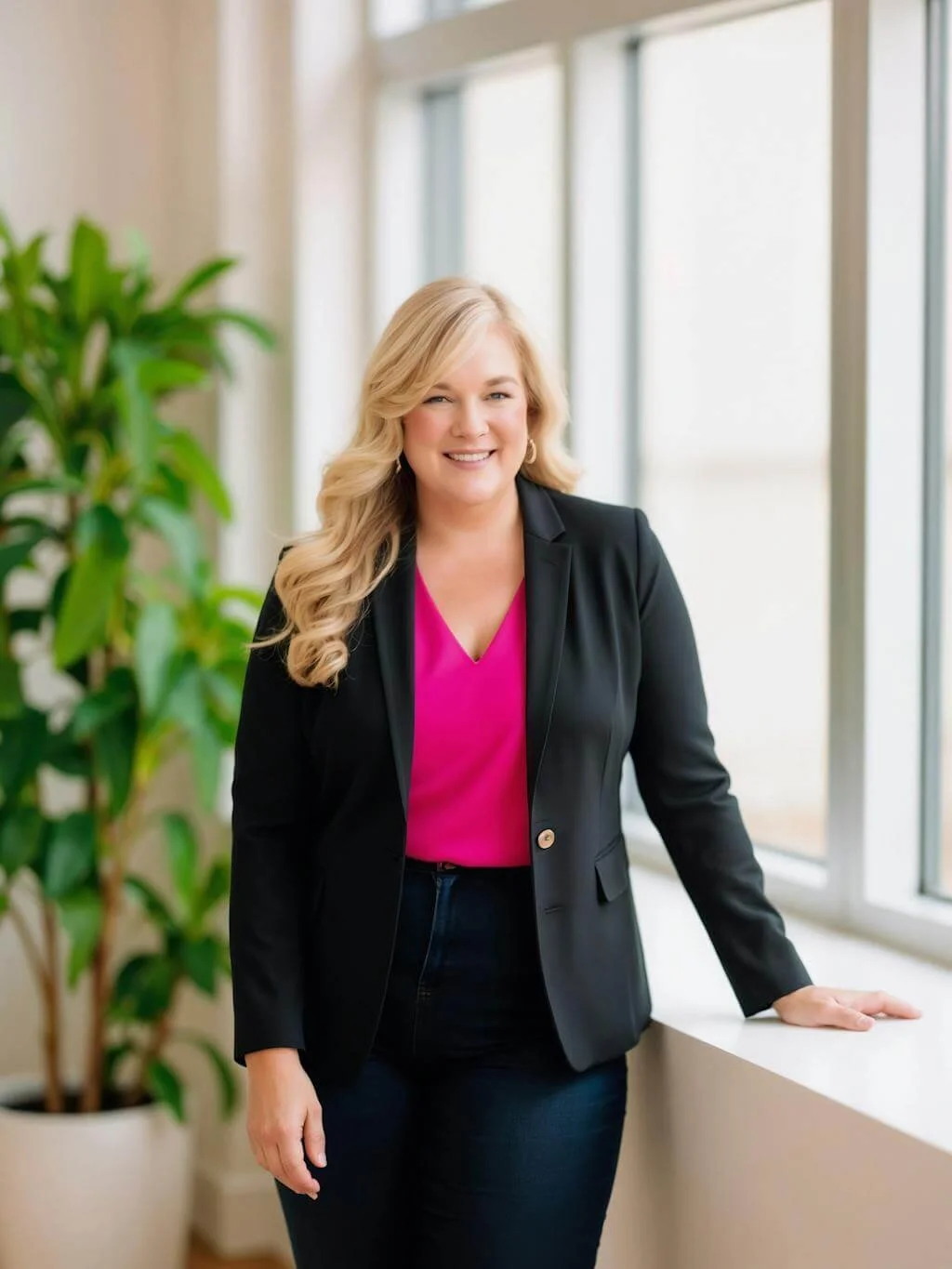
Dr. Destini Copp helps digital product creators build sustainable, systems-based businesses through the Creator Growth Flywheel framework. She's the founder of Creator's MBA and HobbyScool, and has been teaching online business strategy for over a decade. Learn more →