
When the only sales in your business come in during a launch, every month starts back at zero and your income depends on how much energy you have for the next big push. That's a tiring way to run a digital product business.
Sales on Repeat is my name for everything that brings in sales every day without a launch. That includes evergreen funnels, which are email sequences that run on their own for every new person who joins your list. It also includes checkout moves, content that keeps selling long after you post it, other people's audiences and a lot more.
I'm building always-on funnels for both of my businesses right now, Creator's MBA and HobbyScool. For each one that means a welcome series, offer windows for the membership with a lower funnel-only price on its own checkout and a weekly product email. This list is everything I've gathered on the topic, 99 ideas in ten sections.
You don't need all 99 ideas. I made a free Claude skill that asks you a few questions about your business and picks the first three ideas from this list you should set up. Get the free Sales on Repeat skill.
Twelve of these ideas have their own full guide. Wherever you see a linked idea name below, click through for the step by step version.
Always-on email that runs every day
Email is the easiest place to start, because your list is the audience you own. Each of these sequences runs on its own for every new subscriber who comes through.
- Welcome series with a first offer. This is a short set of emails that starts the day someone joins your list and ends on one product they can buy right away. Every new subscriber gets the same path, so someone can become a buyer in their very first week. Read the full guide.
- Weekly product email forever. Pick one day a week when you don't send anything live and feature one thing from your shop in that email. You keep sending it every week for as long as you have products to sell. Read the full guide.
- Flash sale every few weeks. Inside that weekly email, run a 48 to 72 hour sale every few weeks and rotate which of your bigger offers gets the spotlight. The short window gives people a real reason to buy that week.
- Single-offer funnel per product. Give each product its own short email sequence with a private discounted checkout and a countdown timer that's real for each person. The timer starts when that person enters the sequence and the discount really goes away when it ends.
- Freebie-to-tripwire sequence. A tripwire is a small, low-priced product you offer right after someone grabs a freebie. Put a $7 to $27 product that's tied to the freebie on the thank you page and in the first email.
- Click-triggered offers. Tag anyone who clicks a product link in your emails and send them a short sequence about that one product. They've already shown interest, so the follow-up goes to the people who asked to see more.
- Abandoned cart emails. Send a short reminder to anyone who reaches your checkout page and leaves without buying. Check whether your checkout tool can trigger this on its own or pass the information to your email platform.
- Sales page visitor follow-up. Send a few emails to subscribers who looked at your sales page but never clicked through to checkout. Use them to answer the questions that usually come up before someone buys, like price, time and whether the product fits their level.
- Reply-to-get emails. Ask people to reply with one word, like their biggest challenge. Then send back a recommendation for the product that fits them. You can answer these by hand or set up a saved reply for each word.
- Quiz that branches into sequences. Build a short quiz where each result sends people into its own email sequence with its own offer. Someone who gets the beginner result hears about your beginner product.
- Re-engagement sequence. For subscribers who haven't opened an email in 90 days, send a short sequence that asks if they still want to hear from you and includes one last offer. Then remove the people who still don't open.
- Birthday or anniversary email. Each year on the day someone joined your list, send them a small gift or a discount. Your email platform can trigger it from the date they subscribed.
- Email course. Teach one topic by email over five days and offer the paid version on day six. The free lessons show people how you teach before they ever pay you.
- Event replay funnel. Turn every past summit or workshop into its own sales sequence that sells the replay and points people to your next offer. HobbyScool runs a virtual summit every month and Creator's MBA runs an event every month too, so every one of those can get its own replay funnel. Read the full guide.
Checkout moves
Your checkout page is where someone has already decided to buy, so it's a good place to offer one more thing. These moves raise what each buyer spends without needing any more traffic.
- Order bump on every checkout. An order bump is a checkbox on the checkout page that adds a small extra product to the order. Keep it cheaper than the main product and closely related to it, like a template pack next to a course.
- One-click upsell after purchase. An upsell is an offer for the next logical product that shows up right after someone pays. They can add it with one click without typing their card in again.
- Membership as the upsell on every product. Put your membership on the checkout of every product you sell, either as the order bump or the upsell. That way every small sale has a chance to turn into a monthly payment. Read the full guide.
- Downsell when someone says no. If someone turns down the upsell, show them a smaller version of it or a payment plan. Some people want the next thing but need a lower price to say yes.
- Payment plans on anything over $97. Split bigger prices into two or three payments. You can keep the total the same or add a little for the plan. The first payment is easier for people to say yes to.
- Annual and lifetime options next to monthly. Show monthly, annual and lifetime prices side by side so people pick the price point that fits them. Annual and lifetime buyers pay more up front and you get that money right away.
- Bundle pricing on the checkout page. Offer two related products together for less than they'd cost on their own. Put the bundle right on the checkout page so people see it while they're buying.
- Gift option. Let people buy a product for a friend and have it sent to that friend. This works well around holidays and birthdays.
- Pay what you want product. Let buyers choose their own price and show a suggested amount. It's a simple way to get someone to make their first purchase with you.
After the sale
Someone who just bought from you is the easiest person to sell to next. These ideas keep buyers moving toward their next purchase.
- Customer-only offer in the delivery email. In the email that delivers what they bought, include an offer that only buyers get for a product that pairs with it.
- Day 7 check-in email. A week after someone buys, send an email asking how it's going and suggest the next step. If that next step is one of your products, link to it.
- Buyer sequence by product. Give every product its own short buyer sequence that helps people use it and then hands them to the next product.
- Upgrade sequence for monthly members. Send your monthly members a sequence that offers annual or lifetime access. Members who already like the membership are the right people to ask. Read the full guide.
- Credit toward the bigger offer. Let what someone paid for a small product count toward the price of your big one. Say you sell a $47 workshop, so for a set time a buyer could take $47 off your $497 course.
- Refer a friend reward. Give customers a free product or a credit when a friend buys through their link.
- Win-back offer for canceled members. A few weeks after someone cancels, send them an offer to come back. Keep it simple, like a lower first month or a bonus for rejoining.
- Failed payment rescue. When a member's card fails, send a friendly sequence asking them to update it before they lose access. Cards expire and get replaced all the time, so give people a few reminders before you remove them.
- Testimonial ask with a thank you gift. Ask buyers for a testimonial and send a small thank you gift when they leave one. The gift also brings them back to your shop.
Content that keeps selling
Content you post once can keep sending people to your offers for months. What makes it work is that each piece points to one freebie or one product.
- Search-friendly blog posts. Write blog posts that each answer one question people type into Google and point to one product or freebie. Read the full guide.
- Blog posts written for AI search. Write and set up your posts so ChatGPT, Perplexity and Google's AI answers are more likely to mention and link to you. Clear answers, plain headings and a short FAQ all help. Read the full guide.
- Pinterest pins. Pins can send people to your blog posts and freebies for months after you post them. Make a few pins for every new post.
- YouTube videos. End every video on one freebie or one product. People find videos through search long after they go up, so each one keeps pointing to that offer.
- Podcast episodes with one call to action. Pick one call to action and use it in every episode. That way old episodes keep sending listeners to the same offer.
- Private podcast as a lead magnet. A private podcast is a short audio series people sign up for and listen to in their podcast app. Sell your offer at the end of the last episode.
- Resource or tools page. Put your products and your affiliate picks together on one page on your site. Link to it from your emails, your social bios and your podcast show notes.
- Free mini course. Host a short free course on your site and sell the full course inside it.
- Products inside your lead magnets. Put a link to something paid inside every freebie, like a product that picks up where the freebie ends.
- A pinned post or featured link. On every social profile, pin a post or feature a link that points to one evergreen offer.
- Short videos that send people to a freebie. Point each short video to a specific freebie page. A freebie page asks people to do one thing, so it's a clearer next step than your homepage.
Paid traffic that runs every day
Ads can bring new people into your funnels any day of the year. Start small and watch what each ad brings in compared to what it costs you.
- Always-on freebie ad. Run an ad that sends people to one lead magnet every day of the year. New people then enter your welcome series every day. Read the full guide.
- Low-ticket offer ad. Advertise a $7 to $27 product so the sales help cover what you spend on the ad. The people who buy join your list as customers.
- Retargeting ads to sales page visitors. Retargeting means showing ads to people who already visited your site. Show your membership or bigger offer to the people who looked at its sales page.
- Retargeting ads to past event registrants. Show the people who signed up for a past event an ad for the replay or for your next offer.
- Ads to your email list. Upload your list to your ad platform so your offer shows up in subscribers' feeds while they're also getting your emails.
- Paid newsletter recommendations. Some newsletter tools let you pay a set amount for each new subscriber another newsletter sends you. You know what every new person costs before you start.
- Sponsored spots in other newsletters. Buy a sponsored spot in a newsletter your audience reads and point it to a freebie, so you get subscribers you can keep emailing.
- Pinterest ads. Put ad money behind the pins that are already sending you traffic.
- Boosted podcast episodes or YouTube videos. Pay to promote the episodes or videos that already turn listeners and viewers into subscribers or buyers.
Other people's audiences
Other creators already have the people you want to reach. These ideas put your offers in front of their audiences.
- Evergreen affiliate program. An affiliate is someone who earns a commission when a person buys through their link. Give your affiliates a partner pack with emails, graphics and links so they can promote you any week of the year. Read the full guide.
- Customers as affiliates. Invite happy buyers into your affiliate program so they earn a commission when they share what they bought.
- Your product inside someone else's bundle. Add a product to another creator's bundle so the bundle buyers land on your list and go through your welcome series.
- Your freebie in a freebie swap or giveaway. Join a freebie swap or giveaway where creators share each other's freebies. The new people who grab yours go straight into your funnel.
- Guest podcast interviews. Every time you're a guest on a podcast, send listeners to the same freebie. Using one freebie makes it easy to see what each interview brings in.
- Guest teaching in other people's memberships. Teach a session inside another creator's membership and give their members a special offer.
- Newsletter cross-recommendations. Recommend each other's newsletters on your signup thank you pages so you both get new subscribers from each other's signups.
- Speaking at summits. When you speak at a summit, bring a special offer just for that summit's attendees.
- Licensing a product to another business. Let another business sell your product to its audience for a fee or a share of the sales.
- Listing your products on marketplaces. Put your products on marketplaces like Etsy, Gumroad Discover or Teachers Pay Teachers, where buyers are already shopping.
Pricing and offer moves that give people a reason to buy
Some of the simplest changes are in what you sell and how you price it. These moves give more people a way to buy from you.
- A product at every price point. Have something people can buy at $7, $27, $97 and up, so there's a next step at every level.
- Remove permanent public discount codes. Take the codes that are always available off your pages and save the lower price for funnel windows. A lower price that really ends gives people a reason to buy now. I took the permanent public codes off my own pages and moved the lower prices into funnel windows. Read the full guide.
- A bundle of your best sellers. Package your best-selling products together and sell them as one product.
- A "start here" product. Choose one product that's the obvious first purchase for a new subscriber and point to it everywhere.
- Replays sold as products. Sell the replay of every workshop and summit you've run as its own product.
- Templates and swipe files pulled out of bigger courses. Take the templates or swipe files from inside a big course and sell them on their own at a lower price.
- Done-with-you add-on. Add a review or a quick call to a self-paced product for people who want you to look at their work.
- Seasonal versions of an evergreen product. Make a holiday, back to school or new year version of a product so you have a reason to promote it at different times of year.
- Price increase on a set date. Tell your list ahead of time that a price is going up on a certain date. People who have been thinking about it can buy before it changes.
Membership and community moves
A membership brings in money every month. These ideas help more people join and give them reasons to stay.
- Free community with a paid upgrade. Run a free group with a clear path into the paid one. I have a free Skool community called the Creator's MBA Boardroom that sits alongside my paid programs. Read the full guide.
- Auto welcome message in the free community. Set up an automatic welcome message for new members of your free community that points to one starter product.
- Open the doors every month. Run a short enrollment window every month, so someone who missed the last one only has to wait a few weeks.
- Paid trial. Let people try the membership for $1 or $7 for the first month.
- Member-only shop discount. Give members a discount on everything else you sell, so being a member saves them money.
- Monthly live workshop open to non-members for a fee. Run a live workshop every month that members get for free and non-members pay to attend. Sell the membership at the end.
- Challenge that leads into the membership. Run a short challenge every quarter that ends with an invitation to join the membership.
- Higher tier inside the membership. Add a higher-priced tier with extra access for members who want more from you.
AI and automation moves
AI tools can take on a lot of the daily work of selling. These ideas use them to recommend products, report your numbers and keep your offers in front of people.
- AI chatbot on your site. Train a chatbot on your products so it recommends the right one to each visitor and links them to checkout.
- AI clone of you. Set up an AI version of you that answers common questions and suggests your products.
- Free Claude skill or custom tool as a lead magnet. Give away a Claude skill or a custom AI tool and offer a paid version or a paid next step. The free Sales on Repeat skill is one of these.
- Daily sales briefing. Set up an AI task that tells you each morning what sold, what didn't and what to push that day. I run one for each of my two businesses. Read the full guide.
- Weekly funnel scorecard. Once a week, look at where people drop off in your funnels so you know what to fix first.
- Scheduled social posts on autopilot. Schedule social posts that rotate through your evergreen offers so they keep going out during busy weeks.
- Personalized product recommendations by tag. Use the tags in your email platform so each subscriber's weekly email features the product that fits them.
- AI avatar videos. Use an AI avatar to make videos that promote your freebies without filming yourself every week.
Out of the box ideas to test
These are ideas to try once your basics are running. Test one at a time and see what your audience responds to.
- Scavenger hunt promo. Hide codes across your emails, blog posts and social posts and have people collect them to win a prize or a discount. Read the full guide.
- Mystery bundle. Sell a surprise set of products at one price.
- Product of the day page. Build a page that features a different product every day and send people there to see what's up today.
- A gift guide. Put your products in a gift guide and refresh it for every holiday and season.
- Physical print versions of digital products. Turn a planner, workbook or guide into a printed version through a print on demand site like Lulu or Amazon.
- Corporate or team licenses. Sell a license so a business can buy your product for its whole team.
- Selling through a wholesale or education platform. Get your products into a wholesale catalog or an education platform, like a school or library catalog.
- Text message list. Build a text list for flash sales and new product announcements.
- Sponsor-paid freebies. Let a brand pay to have its product featured inside your free resource.
- "Steal my setup" products. Sell the exact templates, tools and automations behind your own business.
- Ask your list what to make next. Ask subscribers what they want you to make next and presell it before you build it. Preselling means taking orders before the product is finished.
- Customer-only private podcast feed. Start a private podcast feed that only buyers can get, with offers that only they hear.
How to pick where to start
Ninety-nine ideas is a lot to look at in one sitting. The goal is to pick a few that fit what you already sell and get those running first.
Start with what already sells
Look at the products that already bring in sales and the freebie that brings in the most new subscribers. The first ideas you set up should send more people to those.
Fix the path for new subscribers
If you don't have a welcome series with a first offer yet, start there with idea #1. Most of the other ideas send people into your list, so this is the path they all end up on.
Add one checkout move
An order bump (#15) or your membership as the upsell (#17) can raise what each buyer spends from traffic you already have.
Choose one way to bring in new people
Pick one source of new subscribers to run every day, like blog posts (#33), an always-on freebie ad (#44) or an affiliate program (#53).
Pick three ideas that fit what you already sell, set those up and let them run before you add more. Adding one idea at a time also makes it easier to see what each one is doing for your sales.
"Pick three ideas that fit what you already sell, set those up and let them run before you add more."
Dr. Destini CoppWrite down the date you set up each idea and check your sales a few weeks later. A daily sales briefing (#83) makes this easier, since it tells you what sold each morning.
Your next step
Most of the ideas on this list are things you can set up once and keep running. The twelve linked guides walk through those ideas step by step.
If you want help choosing, grab the free Sales on Repeat skill. It asks you a few questions about your business and picks the first three ideas from this list for you to set up.
Get the free Sales on Repeat skill
It's a Claude skill that asks a few questions about your business and picks the first three ideas from this list you should set up.
Get the free Sales on Repeat skill →Frequently asked.
How can I make sales every day without launching my digital product?
Set up things that run on their own for every new person, like a welcome series that ends on a first offer and a weekly product email. Then add checkout moves like an order bump and a steady source of new subscribers, like blog posts or an always-on freebie ad. Start with three ideas and add more once those are running.
What is an evergreen funnel for a course or membership?
An evergreen funnel is a set of emails and pages that runs on its own for every new subscriber, any day of the year. Someone joins your list, gets a welcome series and is offered a product at the right point. It keeps working without you opening and closing a launch.
What should I set up first to get daily sales?
A good first step is a welcome series with a first offer, because most other ideas send new people into your list. After that, add one checkout move and one way to bring in new subscribers every day. The free Sales on Repeat skill can pick your first three based on your business.
Should I keep a permanent discount code on my website?
A code that's always available gives people no reason to buy today. A lower price that only shows up inside a funnel window, with a real end, gives people a reason to buy now. You can take public codes off your pages and move the lower price into your email funnels.
Do I need to run ads to make daily sales?
No, many of these ideas use your email list, your checkout, your content or other creators' audiences. Ads like an always-on freebie ad can bring in new subscribers every day if you want to add them. Start small and compare what each ad brings in to what it costs.
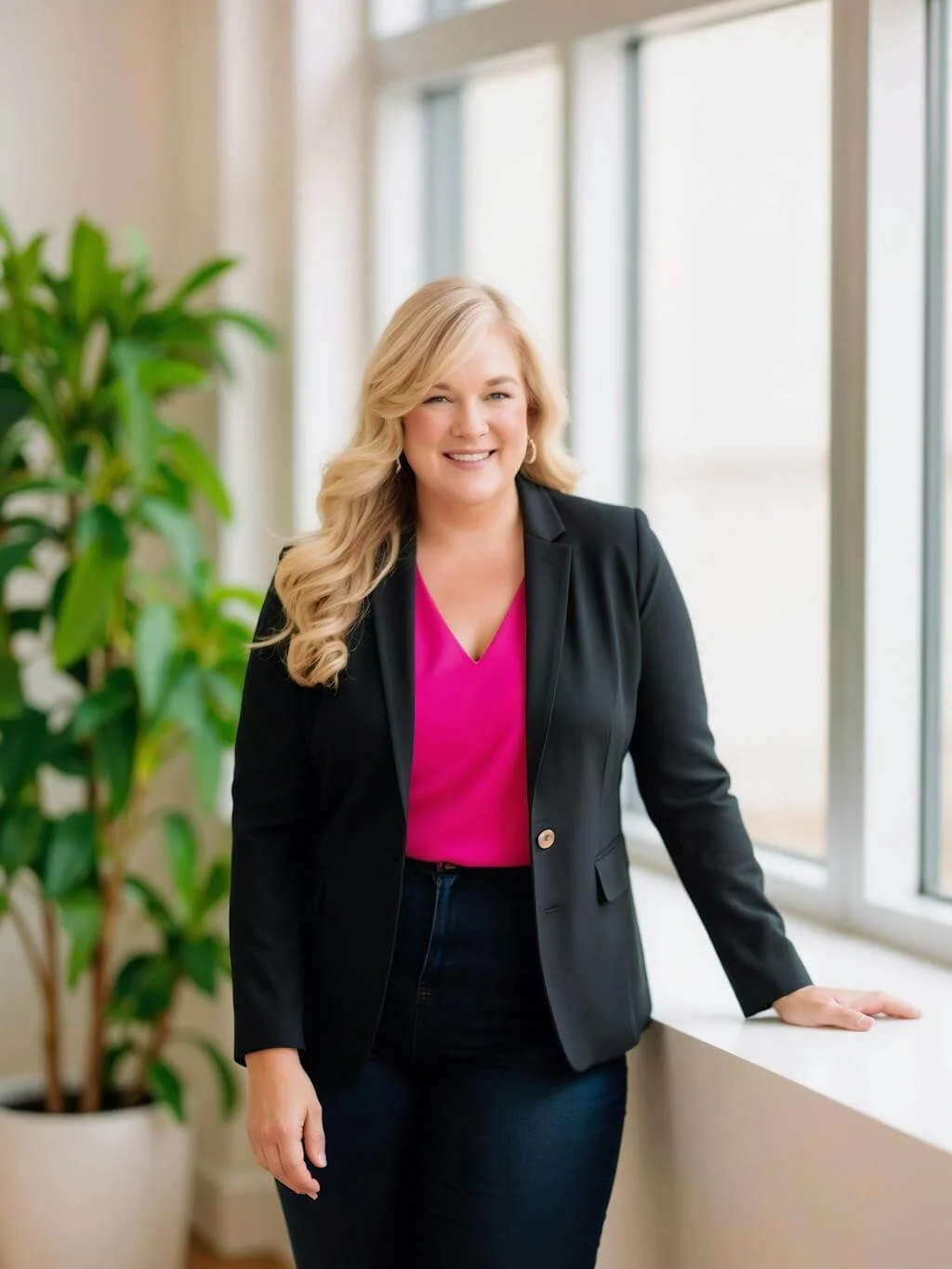
Dr. Destini Copp helps digital product creators build sustainable, systems-based businesses through the Creator Growth Flywheel framework. She's the founder of Creator's MBA and HobbyScool, and has been teaching online business strategy for over a decade. Learn more →