
A product roadmap is your plan for what you're selling, launching and building each month of the year. Start with the one or two offers you most want to grow, split the year into quarters, give every month one main promotion, line up the free things that lead into each promotion, add extra time for anything you have to build and check the whole plan at the end of every quarter.
Why you need a product roadmap before the year starts
If you figure out what to promote at the start of every month, the sales emails usually get written the same week they go out. A launch gets pushed back because the product isn't finished yet, and the offer that gets promoted is whichever one is easiest that month instead of the one you most want to grow.
A product roadmap fixes that. It's a month by month plan of what you're selling, what you're launching and what you're building, and you lay it out before the year starts so you can see how each month leads into the next one.
I build one every year for my two paid programs, the Newsletter Profit Club and the Creator's MBA Mastermind. My members can see the whole year ahead of time and I know months in advance what I'm promoting and what I have to build. Here's the process I use, and it works the same way whether you have one product or ten.
What goes on a product roadmap
For a digital product business, the roadmap covers five things for every month of the year:
- Your promotions. Which offer you're selling that month and when the sales emails go out.
- Your launches. Anything new you're putting out for the first time, like a course, a workshop or a new tier of your membership.
- What leads into each promotion. The free events, challenges, lead magnets and content that get people paying attention before you sell.
- What you're teaching. If you run a membership or a group program, this is the topic or workshop your members get that month.
- Your build time. The weeks you'll spend making anything that has to exist before it can be sold.
Your content calendar tells you what to post each week. The roadmap sits above it and tells you what all of that content is leading to, so your posts, emails and podcast episodes in a given month can point toward the same offer.
How to plan your product roadmap in six steps
Pick the offers you're growing next year
Start with the one or two offers that matter most to next year's revenue. Everything else on the roadmap is there to bring people into those offers, so you have to know what they are first.
For me in 2027, that's my two memberships, the Creator's MBA Mastermind and the Newsletter Profit Club. Growing those two is my main goal for the year, so most of my events and promotions are planned to lead into one of them.
Split the year into quarters and give each one a theme
Twelve months is a lot to plan in one sitting, so break the year into four quarters and give each quarter a theme in a few words. Then each month inside that quarter covers one piece of the theme.
When I planned the Mastermind's 2026 year, the second quarter was about evergreen funnels, which are funnels that keep selling on their own every day of the year. April was about fixing the first purchase funnel, May was about turning a training into an evergreen webinar and June tied all of the follow up emails together.
Give every month one main promotion
My rule is one main promotion at a time. A big launch can take that spot for several weeks in a row and smaller promotions can fit around it, but I don't run two big promotions in the same week.
When two offers go out at once, your list gets two sets of sales emails in the same week and it's hard for people to tell which one they should buy. Picking one per month also makes the rest of the roadmap easier to plan, because you know what every other piece is supposed to lead into.
Plan what leads into each promotion
A promotion goes better when people already have a reason to be paying attention to you. In my business that's usually a free event, and most of my promotions come right after one. Between my two businesses I run 24 events a year, and the events are how people find out about my memberships.
This is also where you plan the emails. For a smaller offer to a warm list, I send three emails over four days. For a bigger launch, I give it two to three weeks of lead-up and then send five to seven emails.
Add time for anything you have to build
If a month includes a new product, a new workshop or a new funnel, the build has to be finished before the promotion starts. That means the build time goes on the roadmap too, usually in the month or two before the launch.
Building something always takes me more work than I expect, so I add 25 to 30 percent to my time estimate when I put it on the calendar. That extra time is what keeps a launch from getting pushed back.
Check the roadmap every quarter
Your roadmap is a plan you'll change as you go. At the end of each quarter, look at what sold, what didn't sell and whether the next quarter still makes sense, then adjust it before it starts.
In the Mastermind, the last month of each quarter includes time to plan the next one. That way nobody gets to the first day of a new quarter without knowing what they're working on.
If you only take one thing from this post, make it one main promotion at a time. Once each month has a single offer it's selling, the events, emails and content for that month are much easier to plan around it.
What my roadmap looked like this year
Here's a look at the 2026 roadmaps for both of my programs, so you can see how the steps above turn into an actual plan.
Newsletter Profit Club
The Newsletter Profit Club is for people who want to grow their newsletter and make money from it, so every month covers one part of that. January was the 90-Day Newsletter Playbook, where members mapped out their first quarter of content, promotions and revenue. July was the Lead Magnet Lab, where they built or fixed the free offer people sign up for, and August was the Welcome Experience Makeover, where they rebuilt the emails a new subscriber gets first.
September was Sponsor System Week, where members put together a media kit and a way to pitch sponsors. October is the Black Friday Profit Party, where they plan, write and schedule their fourth quarter campaigns, and November is the Cash Cow Calendar, where they plan next year's revenue.
The Creator's MBA Mastermind
The Mastermind's year follows the Creator Growth Flywheel. That's the five stages a customer moves through in a digital product business: attract, engage, nurture, retain and advocate. Attract is how people find you, engage and nurture are how they get to know and trust you, retain is how you keep customers buying and advocate is how happy customers send new people your way.
The first quarter covered the foundations, like mapping how your offers and funnels fit together and choosing your main way to get seen. The second quarter was evergreen funnels, the third was about keeping customers and the fourth was about referrals and affiliate programs, ending with planning the next year.
When you know what every month is selling, you stop deciding what to promote the week it's supposed to go out.
If you run a membership or a group program, sharing the roadmap with your members helps them too. They can see what's coming and plan their own time around the workshops they care about most.
If you only have one product
A roadmap still works with one offer, and it might matter even more. Pick the months you'll promote it and put a free thing before each promotion, like a workshop, a challenge or a new lead magnet.
The months in between are for growing your list and, when you're ready, building your second product. Put that build time on the roadmap the same way you would for a bigger business, so it has real dates and doesn't keep getting moved to next month.
Why planning a full year feels hard
It's hard to commit to a plan when you don't know what your business will look like next fall. The good news is that the roadmap doesn't have to be perfect, and it isn't supposed to stay the same all year.
Plan the next quarter in full detail and give the three quarters after it a theme you'll fill in later. When I plan a quarter, I fill every week of the calendar, and then I use the quarterly planning day to fill in the next one with what I learned.
The point is that you're never starting a month from a blank page. You already know what you're selling, what leads into it and what you need to build, and you can change any of it when the numbers tell you to.
If you'd like help building your own roadmap, that's what we work on together inside the Creator's MBA Mastermind. And if your newsletter is the center of your business, the Newsletter Profit Club walks you through a newsletter roadmap one month at a time.
Not sure what to put on your roadmap first?
The free Creator Business Scorecard takes about two minutes and shows you which part of your business needs the most attention right now.
Take the free scorecard →Frequently asked.
What is a product roadmap for a digital product business?
It's a month by month plan of what you're selling, launching and building for the year. It shows when each offer gets promoted, what free events or content lead into each promotion and when you need to build anything new.
How far ahead should I plan my product roadmap?
Plan the full year at a high level by giving each quarter a theme, then plan the next quarter in full detail. At the end of each quarter, fill in the next one using what you learned.
How many offers should I promote at the same time?
One main promotion at a time. A big launch can take that spot for several weeks, and smaller promotions can fit around it, but two big promotions running in the same week split your list's attention.
Do I need a product roadmap if I only have one product?
Yes. With one product, the roadmap shows which months you'll promote it, what free thing comes before each promotion and when you'll work on growing your list or building a second offer.
How often should I update my product roadmap?
Check it at the end of every quarter. Look at what sold and what didn't, then adjust the next quarter before it starts.
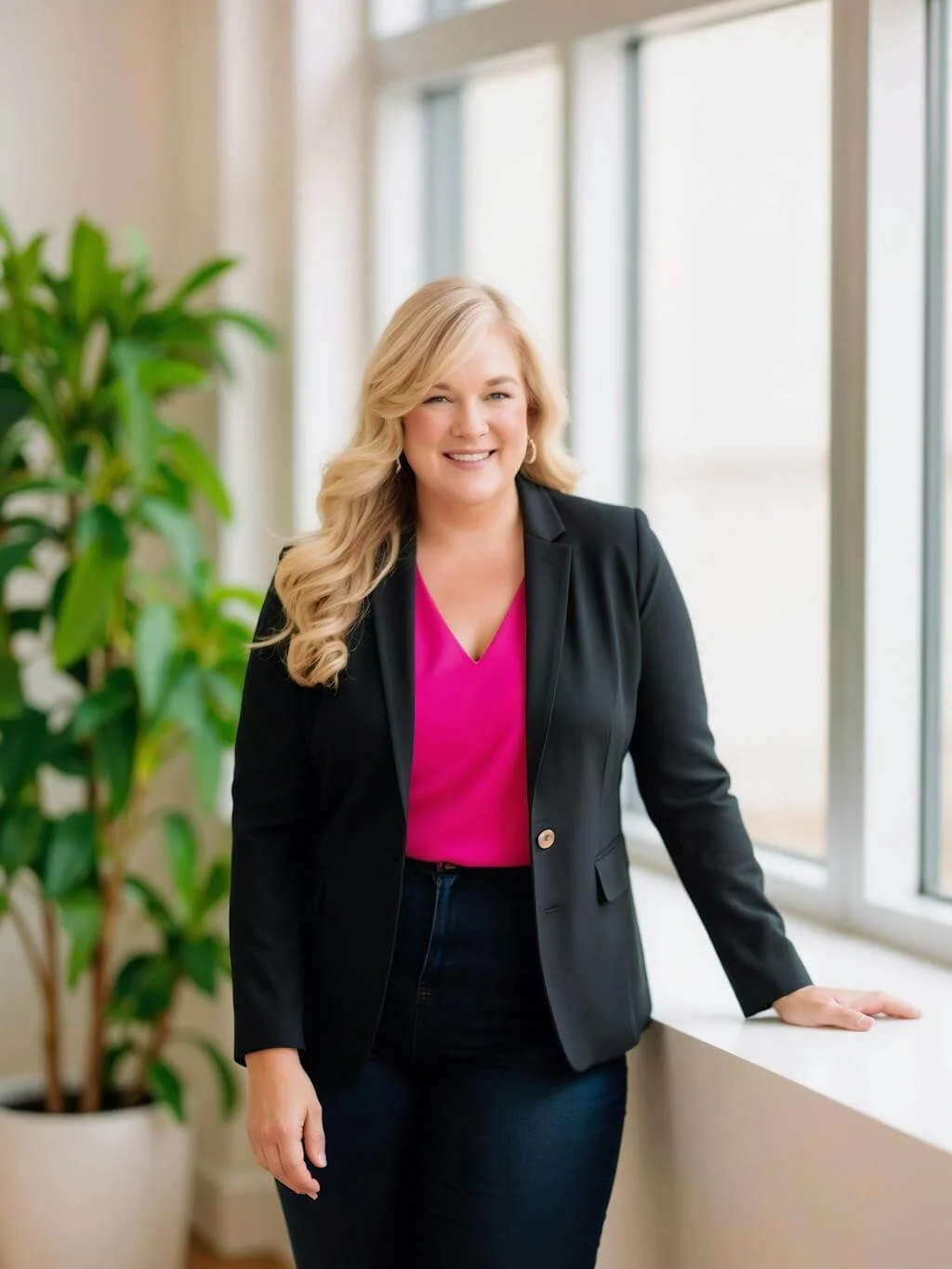
Dr. Destini Copp helps digital product creators build sustainable, systems-based businesses through the Creator Growth Flywheel framework. She's the founder of Creator's MBA and HobbyScool, and has been teaching online business strategy for over a decade. Learn more →