
What the State of Newsletters in 2026 Means for Digital Product Creators

Every year somebody predicts that email is dying, and every year email refuses to cooperate.
While the social platforms keep shuffling their algorithms and squeezing organic reach, email keeps doing the one thing it has always done. It delivers your message straight to people who raised their hand and asked to hear from you.
A recent industry report looked at newsletter performance across millions of subscribers, and it confirms something a lot of creators already figured out on their own. Newsletters aren't fading. They're turning into the thing the rest of the business runs on.
So if you sell courses, memberships, or digital products, the opportunity here is bigger than "send a weekly email." Here's what the numbers say and what they actually mean for how you run your business.
The Numbers Worth Anchoring To
Before we get into strategy, it helps to have the data in front of you.
Nearly half of the successful newsletters in that report publish weekly. And the picture those numbers paint is pretty clear. Email isn't a legacy channel you keep around out of habit. It's a growth channel, as long as you're using it on purpose.
Newsletters Stopped Being Side Projects
The biggest shift in 2026 is that newsletters are becoming media hubs instead of publications.
The creators doing this well aren't treating the newsletter as a place to dump content. They're using it as the connective tissue between everything else they run, which means product launches, community, workshops, the podcast, partnerships, and the feedback they use to decide what to build next. All of it routes through the inbox.
If you're building a course or a membership, your newsletter isn't a marketing tool you bolted on the side of the business. It's the foundation the rest of it sits on. That's a real change in how you should be thinking about the time you put into it.
"Your newsletter isn't a marketing tool bolted onto the side of your business. It's the foundation everything else is built on."
Dr. Destini Copp, Creator's MBAAI Raised the Bar on Content Instead of Lowering It
AI tools made it easy for anyone to produce a lot of content quickly, so average content is now everywhere you look. And that's exactly what creates the opening for newsletters that feel specific and personal and clearly written by a human being.
Most of the successful newsletter operators are already using AI, but they're using it for research, segmentation, and workflow automation. The message itself still comes from the creator, because the voice and the point of view are what people actually subscribed for.
So here's how I'd use that. Let AI make your systems faster and your production smoother, and keep it away from your voice. When everyone's content sounds the same, sounding like yourself is the advantage.
Community Depth Beats Audience Size
Most people assume a bigger list means more money. The data says something different.
A newsletter with 10,000 deeply engaged readers will regularly outperform one with 100,000 passive subscribers, and that gap is only getting wider. What separates them is depth, meaning how connected those readers feel to you personally.
The newsletters converting best right now aren't just broadcasting. They're building the relationship through reader questions and reply-to conversations, polls that actually change what gets published, member spotlights and contributor features, and live events where people can see each other.
For anyone selling digital products, this is the whole ballgame. Community creates trust, and trust is what makes someone buy your course, join your membership, and tell a friend about it. That's what turns a broadcast list into a relationship.
Monetization: Multiple Streams, One Audience
The newsletter economy has moved well past a single way to make money. The strongest operators are pulling several revenue streams from the same audience.
- Paid subscriptions
- Digital products and courses
- Memberships and communities
- Sponsorships and partnerships
- Live events and workshops
- Affiliate revenue
If you sell digital products, the newsletter usually works as the trust layer underneath all of it. Someone who has been reading you for three months is far more likely to buy your course than someone who just clicked a cold ad, and that gap shows up in your conversion rate every time.
One caution though. Chasing all six of these at once will dilute you rather than grow you. Pick the model that fits how your audience already behaves, get it working, then layer the next one on top.
Most newsletters are still running on a single welcome email and nothing else. That's the highest-leverage fix sitting in most creator businesses right now.
Automation Is the Biggest Missed Opportunity
That callout deserves more than a box, because it surprised me. Most newsletters in the report have one welcome email and no automation after it. Which means every new subscriber gets one hello, and then whatever broadcast happens to go out next.
Good automation lifts your numbers without adding manual work to your week. Here's where I'd look first.
- An onboarding sequence that introduces new subscribers to your best content and your offers
- Segmentation based on what readers click and care about
- Re-engagement campaigns that catch inactive subscribers before they churn
- Behavior-based follow-ups tied to clicks, purchases, or content someone engaged with
- Automated workshop and course delivery triggered by signup or purchase
AI is genuinely useful here, because it can read your engagement data, spot the patterns you'd miss, and help you build smarter sequences without hiring a marketing team to do it.
Consistency Still Beats Every Growth Hack
Nearly half of the most successful newsletters publish weekly, and that isn't a coincidence.
Consistency builds familiarity, and familiarity turns into habit. When readers know your email is coming Wednesday morning, opening it stops being a decision they have to make.
Most creators spend more energy hunting for growth tactics than they spend simply showing up, and the data keeps pointing back at the boring answer. Show up on a schedule with something worth reading, and it compounds.
What This Means If You Sell Digital Products
Used well, your newsletter should be doing five jobs at once. This maps directly onto the Creator Growth Flywheel, which is my framework for the five stages a business moves people through.
Attract: Bring In People Who Actually Fit
A newsletter with a clear point of view pulls in readers who want what you sell, instead of everyone who wanted a free download. The subscribers you get from a strong opt-in offer behave completely differently down the line.
Engage: Learn What Readers Actually Want
Every reply, click, and poll answer is product research you didn't have to pay for. Your next course idea is usually sitting in the questions people already asked you.
Nurture: Build Trust Before Anyone's Ready to Buy
This is where most of the work happens. Readers get to know how you think over weeks and months, so when the offer shows up they already believe you can help them.
Retain: Create Sales Without Waiting for a Launch
A newsletter that sells every week means your revenue doesn't ride on launch cycles or ad spend. Existing customers keep buying because you keep showing them what's next.
Advocate: Give People a Reason to Stay and Refer
Community is what keeps people in your world after they've bought. Readers who feel like they belong somewhere refer other people to it, and that referral traffic costs you nothing.
When all five of those are running, the newsletter becomes the central nervous system of the business. Your content, products, community, events, and partnerships all connect through it, and none of them depend on a platform you don't control.
The Bottom Line
Newsletters aren't going anywhere. They're getting more valuable as algorithms get less predictable and AI floods the internet with content that all sounds the same.
The creators who win the next phase of this won't be the ones sending the most emails. They'll be the ones who built an actual business around the list, with revenue that doesn't depend on anyone else's platform staying put.
And it starts with showing up consistently for the people who chose to subscribe. If you want the structure that turns those sends into revenue, that's exactly what I teach inside Newsletter Profit Club.
You don't have a content problem. You have a structure problem.
Get the three-part newsletter structure from my six-month study of 36 newsletters, including the Mini Magazine format and the Teach and Pitch Method.
Watch the free training →Frequently asked.
Is email marketing still effective in 2026?
Yes, and the numbers back it up. Average newsletter open rates topped 41% in 2025, which beats organic reach on most social platforms. Email is also one of the few channels where you actually own the audience instead of renting it from a platform.
How often should I send my newsletter?
Weekly is the sweet spot. Nearly half of the most successful newsletters publish weekly. Consistency matters more than frequency, because readers open what they expect to receive. Pick a rhythm you can hold for a year and hold it.
Can I make money from my newsletter without a paid subscription?
Yes. Most digital product creators use the newsletter as the trust-building layer that drives course sales, membership signups, and workshop registrations. No paid subscription required. The newsletter earns by turning warm readers into buyers.
Do I need a large email list to see results?
No. A smaller engaged list beats a big passive one. A newsletter with 10,000 engaged readers will often generate more revenue than one with 100,000 people who rarely open. Depth of relationship drives revenue, not list size.
What should I fix first if my newsletter isn't converting?
Look at your automation. Most newsletters still run on a single welcome email and nothing else, which means new subscribers never get a proper introduction to what you sell. Building a real onboarding sequence is usually the highest-leverage fix available.
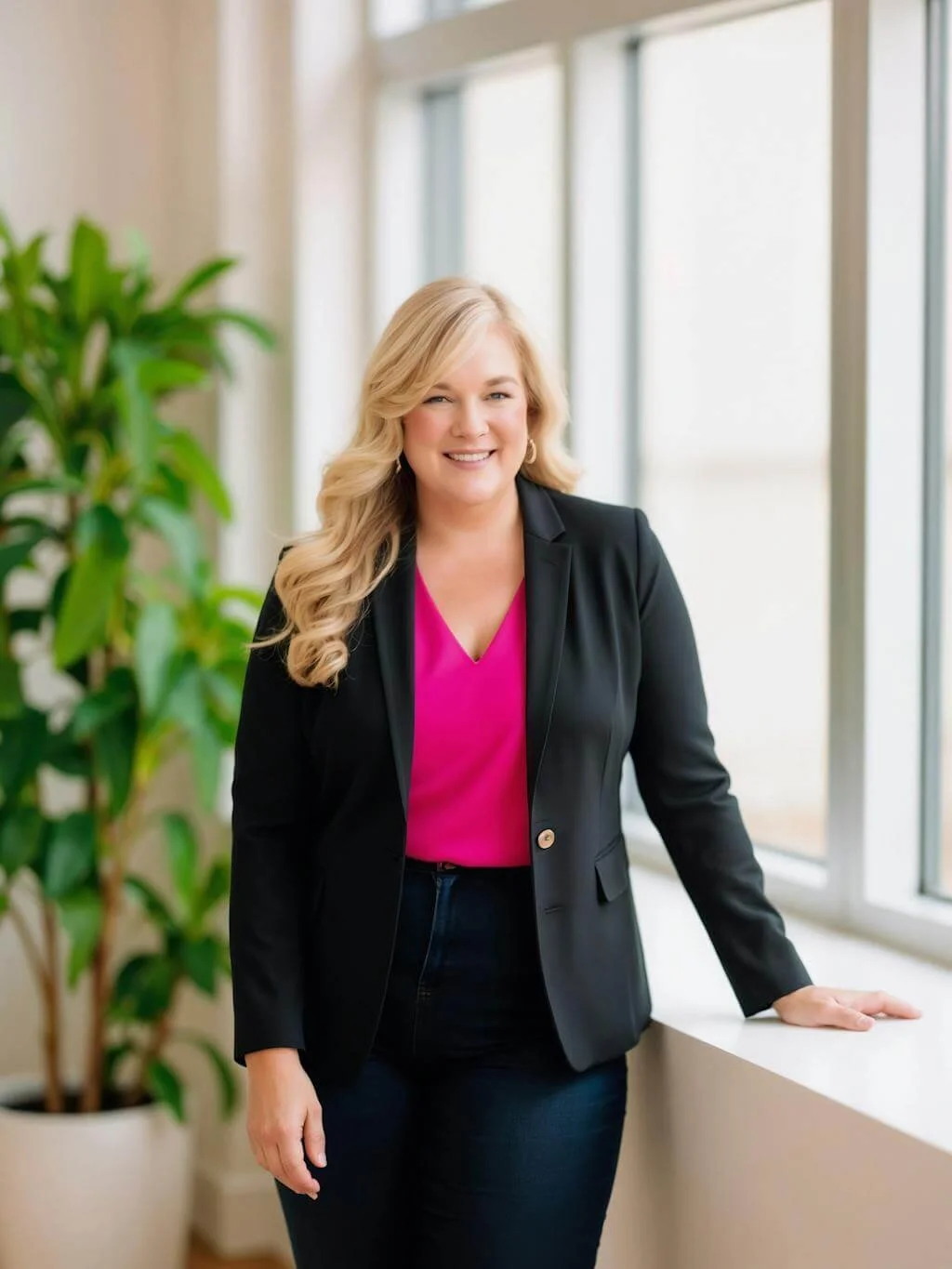
Dr. Destini Copp helps digital product creators build sustainable, systems-based businesses through the Creator Growth Flywheel framework. She's the founder of Creator's MBA and HobbyScool, and has been teaching online business strategy for over a decade. Learn more →